
Introduction
Tarnowskie Góry Poland protects one of Europe’s most extensive underground mining labyrinths, inscribed on UNESCO World Heritage List in 2017. This Silesian mining town 90 kilometers west of Kraków offers visitors the chance to explore 1.7 kilometers of historic silver mine tunnels including a unique 270-meter underground boat journey through flooded passages. Moreover, Tarnowskie Góry Poland attracts 150,000+ annual visitors seeking authentic industrial heritage experiences without crowds overwhelming Wieliczka Salt Mine near Kraków. The mining complex dates from 16th-19th centuries when silver, lead, and zinc extraction made this region one of Central Europe’s wealthiest mining districts.
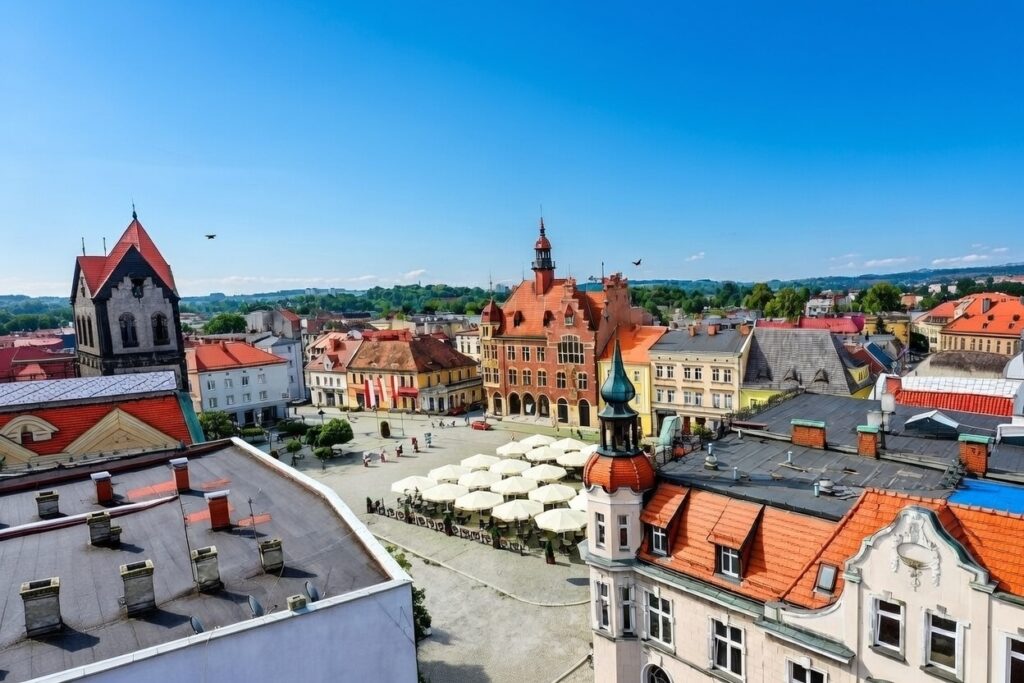
Tarnowskie Góry Poland appeals to industrial archaeology enthusiasts exploring hand-carved rock chambers and 19th-century hydraulic engineering systems. Additionally, adventure seekers experience the atmospheric underground boat tour through narrow passages where guides push boats by hand through the darkness. Furthermore, families appreciate well-organized tours with multimedia presentations, comfortable temperatures (constant 10°C underground), and safe, maintained walkways. The UNESCO site encompasses two separate attractions: the Historic Silver Mine with its boat tour and museum, plus the Black Trout Adit offering an even longer underground water journey. Therefore, visitors combine mining history with genuine underground adventure rarely available in European tourism.
This guide reveals optimal tour booking strategies avoiding summer weekend crowds, secret viewpoints in surrounding mining landscapes, and timing advice for the atmospheric Black Trout Adit tour. Additionally, you will learn how 16th-century miners carved 150+ kilometers of tunnels by hand and why Tarnowskie Góry’s water management systems impressed UNESCO evaluators. Furthermore, practical sections cover transport from Katowice and Kraków, authentic Silesian cuisine, and strategic accommodation choices near mining sites.
History of Tarnowskie Góry Poland: Five Centuries of Mining
Discovery of Silver and Town Foundation
Legend dates silver ore discovery to 1490 when prospectors found rich deposits in the forests of Upper Silesia. Documentary evidence confirms intensive mining began around 1526 when local nobles granted mining privileges attracting prospectors from across Central Europe. Consequently, Tarnowskie Góry rapidly developed from wilderness to boomtown as thousands of miners, merchants, and craftsmen settled seeking fortune. Moreover, the settlement received town charter in 1526, establishing legal framework for organized mining operations.
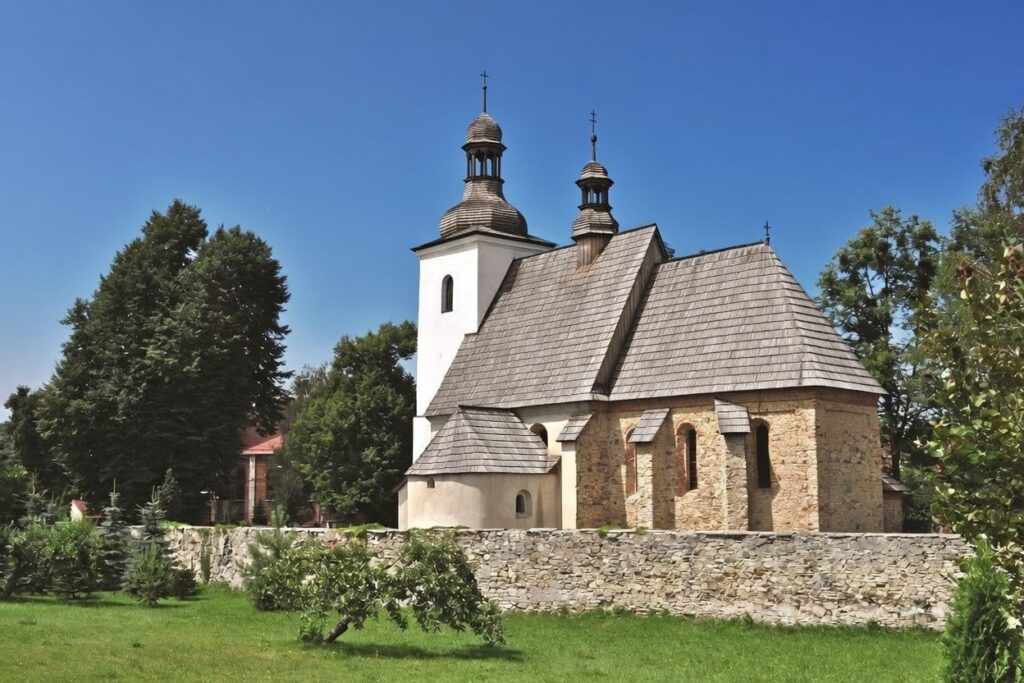
Early mining focused on silver-bearing galena (lead ore with silver content). The deposits proved extraordinarily rich by 16th-century standards, making Tarnowskie Góry one of Poland’s wealthiest towns. Additionally, skilled German and Czech miners brought advanced techniques from established mining regions. Therefore, by mid-16th century, Tarnowskie Góry mines employed 3,000+ workers and produced significant silver quantities for Polish crown.
Golden Age and Technical Innovation
The 16th-17th centuries represented Tarnowskie Góry’s golden age when mining operations expanded both horizontally and vertically. Miners dug shafts reaching 150+ meters depth while horizontal tunnels (adits) connected workings creating underground labyrinths. Moreover, constant groundwater infiltration required sophisticated drainage systems. Consequently, engineers developed elaborate networks of drainage adits, pumps, and water wheels representing cutting-edge 17th-18th century hydraulic engineering.
The Fryderyk Deep Adit, completed 1834, represented the culmination of drainage technology. This masterwork adit ran 14 kilometers underground, draining multiple mine complexes simultaneously. Additionally, the system included 30+ kilometers of feeder adits, shafts, and channels managing water from vast underground areas. Furthermore, remnants of this hydraulic system convinced UNESCO evaluators that Tarnowskie Góry deserved World Heritage status.
Industrial Decline and Tourism Transformation
Silver deposits gradually depleted by late 18th century though lead and zinc mining continued through 19th century. Moreover, industrial revolution shifted emphasis to coal mining in nearby regions. Consequently, traditional ore mining declined through 1900s. The last commercial operations ceased mid-20th century, ending five centuries of continuous extraction.
However, mining heritage offered new opportunities. In 1957, city authorities opened first sections for tourism. Moreover, systematic development through 1970s-1990s created today’s tourist routes. Therefore, when UNESCO inscribed the site in 2017, Tarnowskie Góry had already welcomed millions of visitors, demonstrating successful heritage preservation and adaptive reuse.
UNESCO World Heritage Recognition
UNESCO inscription in 2017 recognized Tarnowskie Góry as “outstanding example of underground mining heritage.” The justification emphasized three criteria: the site demonstrates exceptional hydraulic engineering solving mining drainage challenges; it represents significant stage in human industrial development; and it preserves authentic testimony to European mining civilization spanning five centuries. Consequently, Tarnowskie Góry joined Poland’s 16 other UNESCO sites, though as the country’s only primarily industrial heritage location.
What to See in Tarnowskie Góry Poland: Underground Adventures
Historic Silver Mine – Main Underground Tour
The main tourist route covers 1,740 meters of historic mining tunnels, with 270 meters traversed by boat. Visitors descend by elevator to 40 meters depth, then follow guides through hand-carved corridors dating from 18th-19th centuries. Moreover, the tour includes massive mining chambers, preserved mining faces (work sites), equipment displays, and two visible silver-bearing galena veins in original rock. Additionally, multimedia presentations in the entrance museum provide historical context before underground descent.
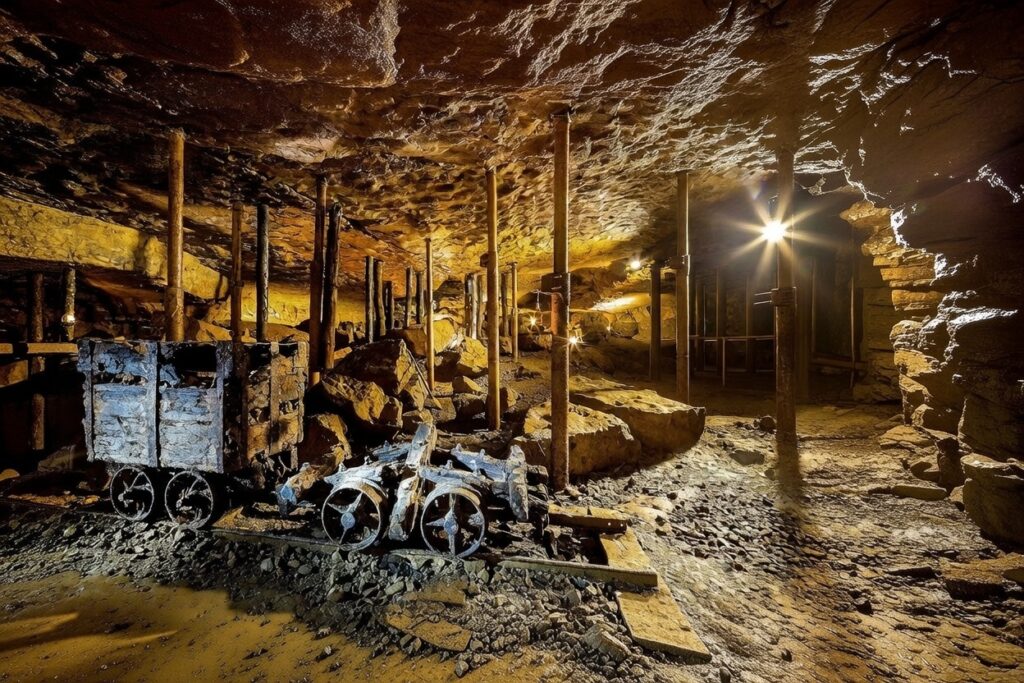
Opening hours: January-May: daily 09:00-15:00 (ticket office closes 15:00); June-August: weekdays 09:00-15:00, weekends 09:00-16:00; check website for seasonal variations. Admission 2026: Adults 80 PLN, reduced 65 PLN, children 4-7 years 40 PLN, family ticket (2+2) 210 PLN. Tour duration: 90 minutes total (50 minutes underground, rest includes museum and preparations). Booking: Online advance booking highly recommended summer weekends; walk-up tickets subject to availability.
Important details: Underground temperature constant 10°C—bring warm jacket even summer days. Moreover, paths can be muddy; wear closed shoes you don’t mind getting dirty. Additionally, English-language tours available but require advance booking (minimum group size may apply). Furthermore, yellow hard hats mandatory—provided at entrance.
Insider tip: The underground boat tour represents the highlight—guides push boats by hand through narrow flooded passages, sometimes brushing rock walls. Children find this thrilling, though very young kids may feel uneasy in darkness. Moreover, tour groups limited to 30-40 people maintaining intimate atmosphere. Therefore, weekday mornings (first 09:00 tour) offer smallest crowds and most personalized guide attention.
⭐ Black Trout Adit – Extended Underground Boat Journey
Located 4 kilometers west in Repecki Park, the Black Trout Adit offers 600-meter underground boat journey—Poland’s longest fully boat-based underground tour. Visitors descend via Sylwester or Ewa shafts (alternating operation), then travel entirely by boat through the 19th-century Fryderyk drainage adit. Moreover, guides propel boats by pushing against walls with minimal electric lighting creating atmospheric experience. The adit got its name when rediscovered—poor carbide lamp light made encountered trout appear black.
Opening hours: Year-round guided tours; check kopalniasrebra.pl for current schedule (typically similar to main mine). Admission 2026: Adults 60 PLN, reduced 50 PLN, children 4-7 years 30 PLN. Tour duration: 60 minutes including shaft descent/ascent and boat journey. Access: 4 km from main mine; taxi 25-30 PLN; public bus infrequent; many visitors drive between sites.
Physical requirements: Steep narrow spiral stairs descending 20-30 meters depending on shaft. Moreover, some passages quite narrow. Additionally, darkness more complete than main mine—minimal artificial lighting. Therefore, not recommended for claustrophobia sufferers or those with mobility limitations. Furthermore, children must be able to sit still in boat without standing—safety critical in narrow passages.
Insider tip: Black Trout Adit receives far fewer visitors than main mine despite equal or greater atmospheric appeal. Moreover, summer weekday afternoons often see groups as small as 5-10 people creating intimate experience. Additionally, guides here tend to be long-term mining heritage enthusiasts sharing fascinating technical details mainstream tours skip. Therefore, serious mining history buffs prioritize Black Trout Adit over or alongside main mine tour.
Steam Engine Heritage Park
Surrounding the main mine entrance, outdoor museum displays historic mining equipment including steam engines, pumps, rail systems, and ore processing machinery. Moreover, narrow-gauge railway offers short rides for children on operational steam locomotives select weekends May-September. Additionally, interpretive panels explain equipment functions in mining operations. Furthermore, venue hosts occasional living history demonstrations with period-costumed interpreters.
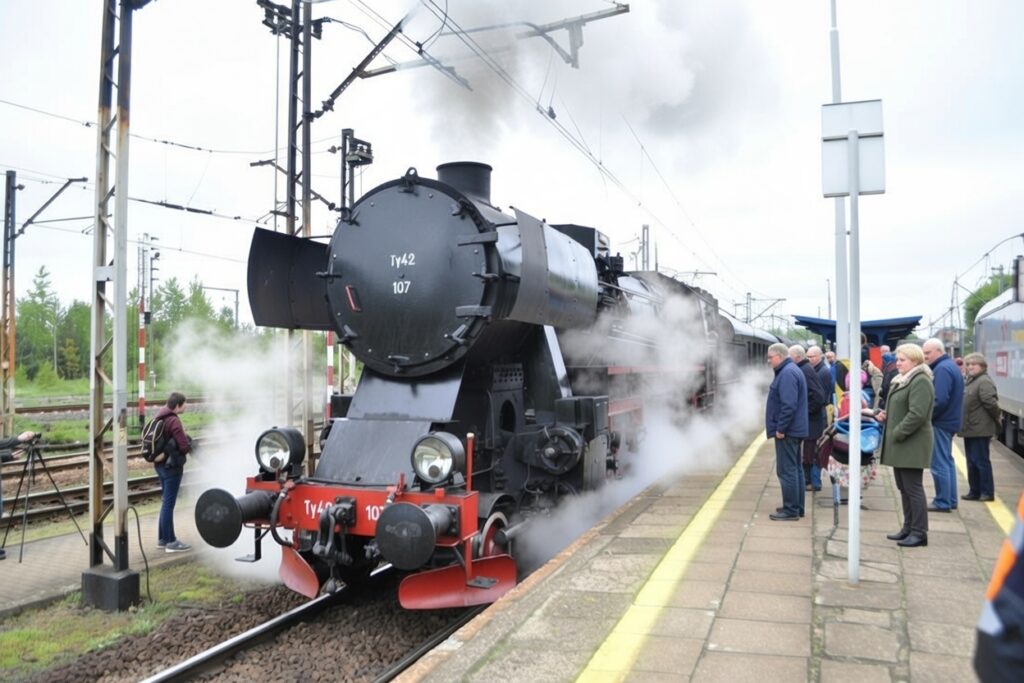
Access: FREE with mine ticket or standalone visit (small fee may apply for railway rides). Time needed: 30-45 minutes walking exhibition. Best visited: After underground tour when visitors emerge wanting fresh air and context for underground experience. Insider tip: Steam railway operates primarily July-August weekends—check schedule if interested as it’s not daily operation.
Mining Museum at Silver Mine Complex
Modern museum in mine entrance building displays mineralogy, mining tools, historical photographs, and social history of mining families. Moreover, multimedia presentations include 3D models of underground labyrinths and animations explaining drainage systems. Additionally, exhibits cover UNESCO inscription process and ongoing conservation efforts. Furthermore, museum visit included in standard mine tour ticket.
Hours: Generally align with mine opening times. Language: Polish primary, English summaries on major panels; audio guides may be available. Time needed: 30-45 minutes if toured separately; most visitors see museum before/after underground tour. Insider tip: Museum’s mineralogy section displays actual silver-bearing galena samples from Tarnowskie Góry veins—these look unimpressive to untrained eyes but represent the ore that built the city’s wealth.
Repecki Park and Mining Landscape
This 200-hectare park surrounds Black Trout Adit, featuring scenic walking paths, Drama River valley, and remnants of historic mining infrastructure. Moreover, park preserves mining-altered landscape including shaft remnants, waste heaps, and depressions where underground chambers collapsed. Additionally, peaceful green space contrasts with underground adventure offering picnic areas and nature walks. Furthermore, park connects to regional cycling routes exploring wider Silesian mining heritage.
Access: FREE; open dawn-dusk year-round. Walking trails: Multiple loops 1-5 kilometers; flat, family-friendly. Best combined: Before or after Black Trout Adit tour; allows 2-3 hour visit exploring both adit and park. Insider tip: Spring (April-May) wildflowers and autumn (September-October) foliage make park especially photogenic—contrast between natural beauty and industrial heritage creates powerful visual narrative.
Tarnowskie Góry Old Town
While modest compared to major Polish cities, historic center preserves 16th-century Renaissance arcaded houses on Market Square and Gliwicka Street. Moreover, Gwareks’ Bell Tower (16th-century wooden structure) symbolizes mining heritage. Additionally, churches include Parish Church of St. Mary with Baroque interior and Protestant Church of the Holy Trinity reflecting historical religious diversity. Furthermore, Market Square hosts cafés and restaurants convenient for post-mine meals.
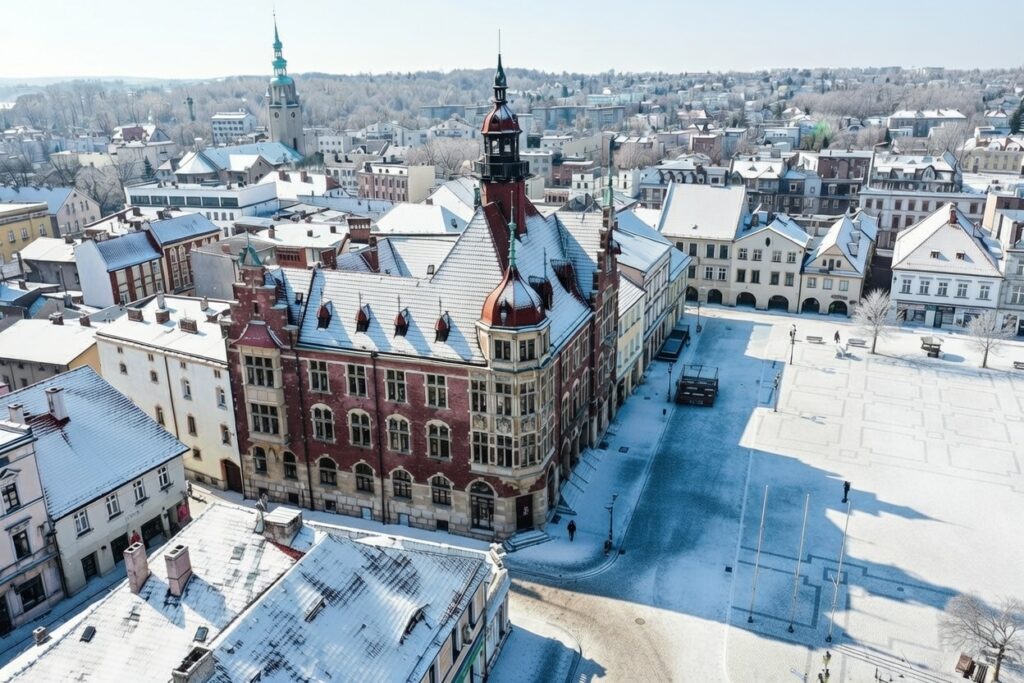
Access: FREE; public squares and streets. Time needed: 60-90 minutes walking tour. Distance from mines: 2-3 km; taxi 20 PLN; walkable for fit visitors (30-40 minutes). Insider tip: The arcaded houses (kamienice podcienie) on Gliwicka Street date to 16th-century mining boom—architectural style reflects prosperity silver brought to town. Moreover, ground-floor arcades originally housed merchants serving mining industry.
How to Reach Tarnowskie Góry Poland
Location and Regional Context
Tarnowskie Góry Poland sits in Upper Silesia, approximately 30 kilometers north of Katowice and 90 kilometers west of Kraków. Moreover, GPS coordinates 50.4347°N, 18.8577°E locate the Historic Silver Mine complex. Additionally, positioning within Poland’s industrialized Silesian agglomeration provides excellent transport connections. Furthermore, proximity to Katowice-Pyrzowice Airport (20 kilometers) facilitates international access.
From Katowice – Train and Bus
By train: Koleje Śląskie regional trains operate Katowice-Tarnowskie Góry twice daily; 50-55 minutes journey; 11-16 PLN one-way. Station lies 2.5 kilometers south of Silver Mine requiring taxi (20 PLN) or 30-minute walk. Moreover, limited frequency makes trains less convenient than buses.
By bus: Koleje Śląskie buses depart Katowice main station to Tarnowskie Góry 5 times weekly (primarily weekdays); 60 minutes; 10-15 PLN. Additionally, buses stop closer to town center than train station. However, schedule gaps mean advance planning essential.
By tram: Complex route using Katowice tram line 7 to Stroszek, transfer to tram 19 to Tarnowskie Góry Bytomska; total 80 minutes; 11-13 PLN. Moreover, requires two transfers and familiarity with Silesian tram system. Therefore, recommended only for budget travelers or public transport enthusiasts.
Practical recommendation: Most visitors rent cars in Katowice enabling flexible timing and easy access to both Silver Mine and Black Trout Adit locations. Alternatively, organized tours from Katowice handle all transport logistics.
From Kraków – Car and Tour Options
By car: 90 kilometers west; 90-120 minutes via A4 motorway. Take A4 toward Katowice, exit at Chorzów/Bytom, follow signs to Tarnowskie Góry. Moreover, straightforward routing makes self-drive convenient for Kraków-based travelers.
By train: No direct service; requires change in Katowice adding 3-4 hours total journey. Therefore, impractical except for rail enthusiasts.
Organized tours: Several Kraków agencies offer day trips combining Tarnowskie Góry Silver Mine with Katowice industrial heritage; 250-400 PLN per person including transport, guide, and entrance fees. Moreover, tours handle logistics allowing visitors to relax. However, limited time on-site (typically 2-3 hours in Tarnowskie Góry) may feel rushed.
Parking at Mine Sites
Historic Silver Mine: FREE on-site parking with 100+ spaces. Location: Szczęść Boże 81 Street. Black Trout Adit: FREE parking near Repecki Park entrance; smaller lot (30-40 spaces) occasionally fills summer weekends. Conditions: Paved lots suitable all vehicles year-round. Security: Visible from mine buildings; generally safe though avoid leaving valuables visible.
From Warsaw and Other Cities
From Warsaw: 320 kilometers south; 4 hours driving via A1/A4 motorways. Train to Katowice (2.5-3 hours), then local transport adds significant time making day trips impractical. Therefore, multi-day Silesia tours suit Warsaw-based travelers better.
From Wrocław: 120 kilometers east; 90 minutes via A4 motorway. Consequently, feasible day trip combining both cities.
Local tip: Tarnowskie Góry works well as stopover between Katowice and Częstochowa (60 km) or as addition to multi-day Silesian industrial heritage circuit including Katowice, Zabrze mines, and Gliwice.
Best Time to Visit Tarnowskie Góry Poland
Peak Season (June-August)
Weather: 20-26°C; sunshine 8-10 hours daily. Weekend visitor numbers reach 800-1,200 daily at main mine. Consequently, tour bookings fill rapidly requiring 1-2 weeks advance reservation. Additionally, Polish school groups concentrate in June creating congestion at popular time slots (10:00-14:00). Moreover, accommodation prices in Katowice/nearby cities rise 20-30% above baseline.
Advantages: Extended weekend opening hours (until 16:00 vs 15:00 weekdays) provide more tour options. Furthermore, Steam Engine Park narrow-gauge railway operates regularly. Additionally, warm surface weather creates pleasant contrast with cool 10°C underground temperatures. Moreover, full restaurant and cafe hours in Tarnowskie Góry town center. Disadvantages: Crowded tours diminish intimate atmosphere. Additionally, parking at Black Trout Adit can fill weekends. Furthermore, larger tour groups (30-40 people) slow underground progress. Moreover, advance booking essential eliminating spontaneous visits.
Shoulder Season (April-May, September-October)
Weather: 10-20°C; mix of sun and rain. Visitor numbers drop 50% compared to peak. Consequently, weekday walk-up tickets usually available without advance booking. Additionally, hotel prices return to normal levels. Moreover, comfortable temperatures make surface mining heritage exploration pleasant.
Spring advantages (April-May): Repecki Park emerges from winter with fresh greenery. Moreover, school groups minimal April (before June field trip season). Additionally, Easter period may see temporary visitor increase but remains manageable. Autumn advantages (September-October): Park foliage adds golden colors contrasting with industrial heritage. Moreover, September particularly dry making outdoor portions comfortable. Additionally, October weekdays nearly deserted—tours frequently 10-15 people maximum creating intimate atmosphere.
Disadvantages: Cooler surface temperatures (10-15°C) mean 10°C underground feels less dramatic. Additionally, rain more frequent requiring waterproof gear. Moreover, reduced opening hours (typically closing 15:00) limit afternoon tour options.
Off-Season (November-March)
Weather: -2 to 8°C; snow possible December-February. Visitor numbers minimal—100-300 daily even weekends. Moreover, many Katowice hotels offer 30-40% winter discounts. Additionally, complete solitude possible on weekday tours. However, Black Trout Adit may operate reduced schedule or require minimum group bookings.
Advantages: Private or near-private tours common—groups as small as 5-8 people. Furthermore, guides have more time for detailed explanations and questions. Additionally, dramatic temperature contrast (surface -5°C, underground +10°C) makes mine feel warm refuge. Moreover, winter photography of surface mining infrastructure in snow creates striking images. Therefore, dedicated industrial heritage enthusiasts favor winter visits. Disadvantages: Harsh surface conditions require serious winter gear. Additionally, very short daylight (08:00-16:00 December) limits flexibility. Moreover, Tarnowskie Góry town restaurants operate reduced hours or close weekdays. Furthermore, icy parking areas and walkways require careful footing.
Optimal Timing Recommendations
Best overall: Late April-May or September offer ideal conditions—moderate temperatures, manageable crowds, full tour availability, and baseline pricing. Moreover, May provides longer daylight than September. Best for avoiding crowds: Weekday mornings October-March guarantee tiny tour groups though require tolerance for cold surface weather. Best for families: Early June before school groups arrive or early September after summer holidays end balances weather, availability, and comfort. Special consideration: Underground temperature remains constant 10°C year-round—season affects only surface comfort, not underground experience.
Best Restaurants & Authentic Silesian Cuisine in Tarnowskie Góry Poland
Budget Options (20-50 PLN per person)
Bar Mleczny “Pod Koroną” (Market Square area) serves classic milk bar Polish cuisine at budget prices. Moreover, menu features żurek 12 PLN, placki ziemniaczane 14 PLN, kotlet schabowy 18 PLN, pierogi 16 PLN per 10-piece. Additionally, filling daily specials (soup + main) cost 22-26 PLN. Hours: Monday-Friday 08:00-16:00; Saturday 09:00-14:00; closed Sunday. Cash only. Why locals eat here: Authentic workers’ canteen; no tourist markup; total bill 25-35 PLN typical.
Pizzeria portions: Several pizzerias near Market Square offer quick meals 25-40 PLN per person including Taco Mexicano (fusion) and local pizza spots.
Mid-Range Silesian Specialties (50-120 PLN per person)
Restauracja “Wisniowy Sad” (Cherry Orchard; ul. Karola Miarki) specializes in regional Silesian dishes emphasizing traditional recipes. Consequently, signature items include krupniok (blood sausage with buckwheat) 32 PLN, rolada śląska (Silesian beef roulade) 58 PLN, modra kapusta (red cabbage with bacon) as side 18 PLN. Moreover, atmospheric interior features old mining photographs and period decor. Additionally, hearty portions suit post-mine appetites. Hours: Tuesday-Sunday 12:00-21:00; closed Monday. Reservations recommended weekends.
Restauracja “Kurna Chata” (traditional setting) provides classic Polish-Silesian menu. Moreover, mains include żurek in bread bowl 28 PLN, duck with red cabbage 68 PLN, pork knuckle 62 PLN. Additionally, traditional desserts feature poppy seed cake 16 PLN. Hours: Wednesday-Sunday 12:00-21:00; reduced Monday-Tuesday. Insider tip: Request “kompot” (traditional fruit drink) instead of soda—authentic Silesian meal accompaniment rarely found in tourist-oriented restaurants.
Fine Dining and Wine
Brick Krakowska 18 (upscale casual) offers contemporary Polish cuisine in renovated historic building. Moreover, menu blends traditional and modern: beef tartare 48 PLN, grilled salmon 72 PLN, duck breast 78 PLN. Additionally, wine list emphasizes Polish and Czech selections 60-180 PLN bottle. Atmosphere: Exposed brick; modern lighting; business lunch and date-night appropriate. Hours: Monday-Saturday 12:00-22:00; Sunday 13:00-21:00. Cards accepted.
Post-Mine Refreshment
Cafe Silesia – Gryfny Kafyj (Market Square) provides excellent coffee and pastries perfect for post-tour relaxation. Moreover, specialty coffees 12-18 PLN; cakes 14-20 PLN. Additionally, outdoor seating May-September. Hours: Monday-Friday 08:00-19:00; weekends 09:00-20:00. Local favorite: Try sernik (Polish cheesecake) 16 PLN—denser and less sweet than American versions.
Regional Silesian Dishes to Try
Krupniok—blood sausage with buckwheat groats unique to Silesia; 28-38 PLN. Rolada śląska—beef roulade with pickle and bacon; 52-68 PLN. Modra kapusta—sweet-sour red cabbage; 14-22 PLN side dish. Kluski śląskie—Silesian potato dumplings with characteristic thumb indent; 18-28 PLN. Moczka—sour rye soup with sausage; 22-32 PLN. These dishes reflect hearty mining community traditions rarely found outside Silesia.
Accommodation Options for Visiting Tarnowskie Góry Poland
Budget (150-300 PLN/night)
Hostel “Młotek i Perlik” at Silver Mine complex offers dormitory beds 80-110 PLN/night; private rooms 220-280 PLN. Moreover, unbeatable location steps from mine entrance. Additionally, mining-themed decor; shared kitchen; luggage storage. English-speaking staff. Booking: kopalniasrebra.pl or standard platforms. Advantage: Zero commute to morning tours; extended evening in mining heritage park.
Guesthouses in town center: Several family-run pensions offer rooms 180-260 PLN/night including breakfast. Moreover, basic amenities; limited English. Check local listings or Booking.com “guesthouses Tarnowskie Góry” search.
Mid-Range (300-550 PLN/night)
Hotel “Piast” (town center) provides comfortable rooms 350-480 PLN/night including breakfast. Moreover, on-site restaurant; free parking; modern bathrooms. Additionally, 3-minute walk to Market Square; 3 kilometers to Silver Mine (taxi 20 PLN). Reception speaks English. Booking: Standard platforms.
Palac Ogrodowa (boutique option) occupies renovated manor house; 420-580 PLN/night. Furthermore, spa facilities including jacuzzi and sauna; garden terrace; upscale dining. Additionally, unique historic atmosphere. Located 2 kilometers from town center. Booking: Direct or platforms; advance reservations essential weekends.
Base Alternative: Katowice (30 km)
Larger city offers 50+ hotels all categories 200-800 PLN/night. Moreover, superior restaurant variety; nightlife; cultural attractions. Additionally, convenient airport access (Katowice-Pyrzowice). However, requires rental car or taxi (80-100 PLN) for Tarnowskie Góry visits since public transport limited frequency.
Recommended Katowice mid-range hotels: Novotel Katowice Centrum 380-550 PLN; Hampton by Hilton 420-600 PLN; both include breakfast, parking, English-speaking staff. Moreover, central locations enable evening city exploration after mine tours.
Accommodation Strategy
For dedicated mining heritage focus: Stay at Hostel Młotek i Perlik directly at Silver Mine—maximizes on-site time and atmospheric evening walks through heritage park. For regional Silesia tour: Base in Katowice enabling easy access to Tarnowskie Góry, Katowice attractions, Gliwice, and other Silesian sites. For budget travelers: Tarnowskie Góry town center guesthouses provide lowest rates with adequate comfort and local character.
What to See Nearby Tarnowskie Góry Poland
Queen Louise Adit, Zabrze (15 km)
Opened 2018, this underground coal mine tour features 1,200-meter boat journey through flooded tunnels—longest in Poland, double Tarnowskie Góry’s boat section. Moreover, electric boats versus hand-pushed creating different experience. Additionally, coal mining focus contrasts with Tarnowskie Góry’s ore mining. Admission: 70-90 PLN depending on route. Allow 2-3 hours. Consequently, serious industrial heritage enthusiasts visit both sites comparing experiences.
Katowice Industrial Heritage (30 km)
Silesian capital showcases post-industrial transformation. Moreover, Nikiszowiec workers’ housing district preserves early 20th-century company town architecture. Additionally, Silesian Museum in former coal mine displays regional art and history. Furthermore, contemporary Spodek arena and NOSPR concert hall demonstrate modern Silesia. Allow full day. Therefore, combine Tarnowskie Góry morning tour with Katowice afternoon sightseeing.
Gliwice and Silesian Castles (25 km)
Gliwice’s medieval castle and distinctive Radio Tower (wooden structure used in 1939 false flag attack justifying Nazi invasion) provide historical context. Moreover, nearby Pszczyna Castle offers aristocratic residence contrast to mining heritage. Allow half-day. Consequently, multi-day Silesian tours easily incorporate these complementary attractions.
Auschwitz-Birkenau Memorial (70 km)
Major Holocaust memorial site lies 70 kilometers southwest enabling combined visits. However, emotional weight of Auschwitz requires full day separate from other touring. Moreover, advance booking mandatory (FREE but required). Therefore, multi-day itineraries should allocate distinct days for mining heritage versus Holocaust memorial respecting both sites’ significance.
Suggested Multi-Day Silesia Itinerary
Day 1: Tarnowskie Góry Silver Mine morning, Black Trout Adit afternoon, evening in Katowice. Day 2: Katowice museums and Nikiszowiec morning, Queen Louise Adit Zabrze afternoon. Day 3: Auschwitz-Birkenau memorial (full day; separate from lighter tourism). Consequently, this creates comprehensive Silesian heritage tour balancing industrial, cultural, and historical remembrance themes. Base in Katowice for central positioning.
Practical Tips for Visiting Tarnowskie Góry Poland
Planning Your Visit
Allow full day for comprehensive Tarnowskie Góry Poland experience. Moreover, sample itinerary: 09:00 Silver Mine tour (90 minutes), 11:30 Steam Engine Park (30 minutes), 13:00 lunch in town, 15:00 Black Trout Adit tour (60 minutes), 16:30 Repecki Park walk (30 minutes). Additionally, overnight stays enable relaxed pace and evening atmosphere appreciation. Advance booking essential June-August weekends; walk-up tickets usually available April-May and September-October weekdays. Furthermore, combined tickets for both mine sites not available—purchase separately at each location.
Essential Booking Information
Online booking: kopalniasrebra.pl (Polish language; Google Translate helpful). English tours: Available but require advance booking minimum 1-2 weeks specifying English-speaking guide needed. Moreover, minimum group size (often 10-15 people) may apply; solo travelers may need joining scheduled English tour dates. Walk-up availability: Polish-language tours accept walk-ups space permitting; English explanatory materials available. Tour sizes: Maximum 30-40 people per guide; multiple tours depart same times when busy.
Money and Payments
Ticket offices accept cash (PLN) and major credit/debit cards. Moreover, ATMs available in Tarnowskie Góry town center. Additionally, restaurants generally accept cards though small cafes prefer cash. Typical costs: Combined two mine tours 140 PLN; lunch 45-70 PLN; transportation from Katowice 30-50 PLN; accommodation 250-500 PLN mid-range. Budget 180-220 PLN per person daily excluding accommodation.
What to Bring Underground
- Warm jacket or fleece: Essential year-round—constant 10°C underground versus 25°C+ surface summer creates 15°C temperature drop. Moreover, humidity makes it feel colder.
- Closed sturdy shoes: Paths can be muddy or wet; avoid sandals, flip-flops, or dress shoes. Additionally, some uneven surfaces require stable footing. Trail runners or hiking shoes ideal.
- Long pants recommended: Protects against accidental scrapes against rock walls in narrow passages. Moreover, provides modest coverage respecting former workplace setting.
- Small backpack: For jackets removed after underground tour; water bottles; camera equipment. Moreover, tight spaces mean large bags cumbersome—keep compact.
- Camera: Photography allowed though flash use restricted some areas. Moreover, expect low-light conditions challenging smartphone cameras. Additionally, bring lens cloth—humidity causes fogging.
Insider Tips and Hidden Details
- ⭐ Best tour timing: First morning tour (09:00) guarantees smallest crowds and freshest guide energy providing most detailed explanations. Moreover, underground passages empty ahead of your group versus afternoon when multiple groups overlap creating congestion at narrow points.
- ⭐ Black Trout secret: Despite equal or superior atmospheric appeal, Black Trout Adit receives only 30-40% visitor numbers versus main mine. Therefore, serious mining heritage enthusiasts prioritize it knowing they’ll encounter fewer tourists and more intimate experience.
- ⭐ Photography spots: Underground flash use restricted but ambient lighting adequate for tripod long-exposures in some chambers. Moreover, Steam Engine Park at surface offers excellent industrial photography—steam engines, headframes, and narrow-gauge railway create authentic mining landscape compositions.
- ⭐ Free experiences: Repecki Park, surface mining landscape, town Market Square, and church exteriors all FREE. Therefore, budget travelers experience significant heritage spending only 80 PLN mine admission.
- ⭐ Language barrier solutions: Download offline translation app before underground tour. Moreover, photograph information panels during tour reviewing translations afterward at surface. Additionally, guides appreciate basic Polish courtesy phrases (dziękuję = thank you).
- ⭐ Hidden mining marks: Throughout town, small plaques and memorials mark former shaft locations, mining disasters, and technical innovations—create self-guided walking tour using free tourist office map identifying these often-overlooked heritage markers.
Safety and Accessibility
Safety: Tours very safe—maintained walkways, handrails, professional guides, emergency lighting systems. However, follow guide instructions regarding narrow passages and boat behavior. Moreover, helmets mandatory—provided at entrance (sanitized between uses). Additionally, claustrophobia sufferers should honestly assess comfort with narrow passages and darkness before booking.
Accessibility: Limited—underground tours not wheelchair accessible due to stairs, narrow passages, and boats. Moreover, elevator descends to mine but subsequent underground route requires walking and stairs. Therefore, mobility-impaired visitors limited to surface Steam Engine Park and museum. Additionally, minimum age typically 4 years (must be able to follow instructions and sit still in boat). Some tours may restrict pregnant women due to physical demands—inquire when booking.
Tourist Information and Emergencies
Tourist Information Center (Rynek, Market Square; phone +48 32 285 3620) operates Monday-Friday 09:00-17:00; reduced weekend hours. Moreover, staff provides maps, accommodation lists, transport advice. Additionally, Historic Silver Mine reception (Szczęść Boże 81; phone +48 32 285 2347) answers tour-specific questions. Emergency: 112 (EU standard). Nearest hospital: Szpital w Tarnowskich Górach, ul. Piastowska; 2 kilometers from town center.