
Introduction
Złoty Stok Poland conceals one of Central Europe’s most unusual underground attractions—a former gold and arsenic mine featuring Poland’s only subterranean waterfall cascading 8 meters through mineral-stained rock. This Lower Silesian mining complex 70 kilometers south of Wrocław operated from medieval times until 1962, producing over 120,000 tonnes of arsenic while extracting gold as valuable byproduct. Moreover, Złoty Stok Poland attracts 80,000+ annual visitors exploring 2 kilometers of illuminated galleries, riding underground electric trams, and witnessing dramatic arsenic-water cascades creating otherworldly green-tinted scenery. The mine reaches 50 meters depth with constant 8-10°C temperatures providing year-round exploration comfort.
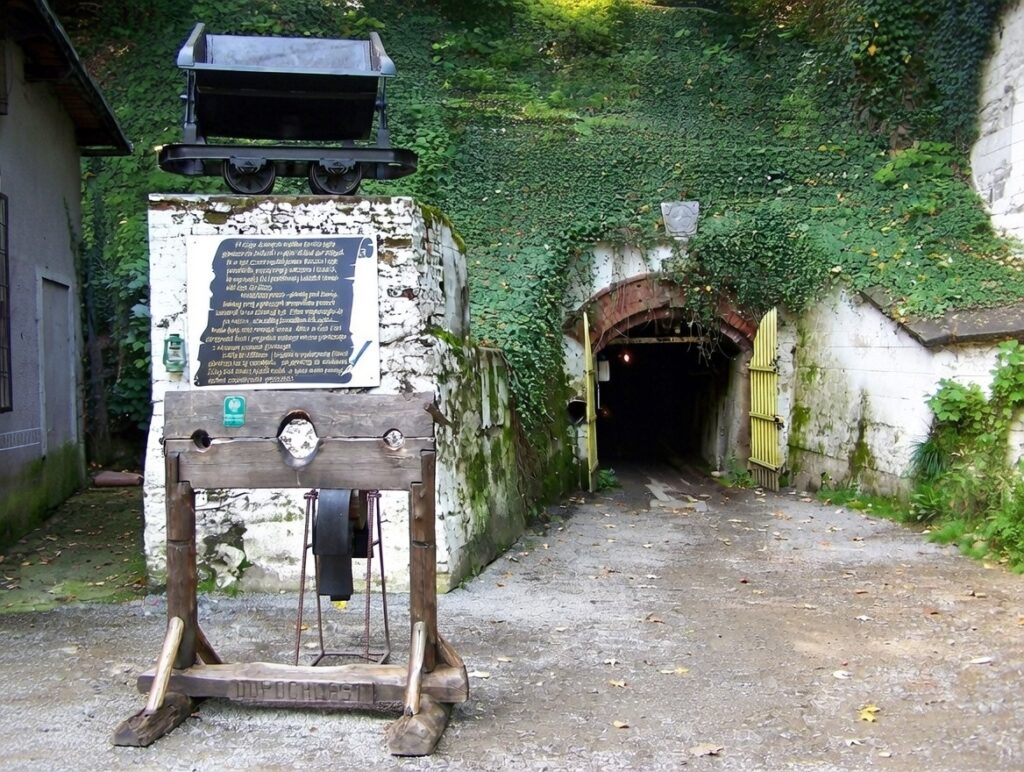
Złoty Stok Poland appeals to industrial heritage enthusiasts discovering Central Europe’s largest historic arsenic production center that supplied 20% of global market by 1910. Additionally, adventure seekers experience the mysterious underground waterfall accessible only through labyrinthine tunnels carved through arsenic-bearing quartzite. Furthermore, families appreciate well-organized 90-minute tours with English options, including hands-on gold panning demonstrations and commemorative coin minting in underground workshops. The surrounding Bystrzyckie Mountains village retains authentic character with timber-frame houses, baroque church, and museums documenting 700+ years of mining heritage.
This guide reveals secret chambers containing preserved Nazi-era fortifications, optimal photography strategies for the illuminated waterfall, and timing advice avoiding summer weekend crowds. Additionally, you will learn how medieval alchemists accidentally discovered arsenic while seeking gold extraction methods and why Złoty Stok’s unique geology created both treasures and deadly toxins. Furthermore, practical sections cover transport from Wrocław and Kłodzko, authentic Lower Silesian cuisine, and strategic accommodation choices in mountain guesthouses.
History of Złoty Stok Poland: Gold, Arsenic, and Deadly Beauty
Medieval Gold Rush and Town Foundation
Gold discovery at Złoty Stok (meaning “Golden Slope”) traces to medieval period when prospectors found rich deposits in quartzite veins. Documentary evidence confirms mining operations by 13th century under Bohemian Kingdom control. Moreover, the settlement received town privileges in 1312, developing rapidly as mining center. Gold extraction employed primitive techniques with miners following visible surface veins underground creating maze-like workings.
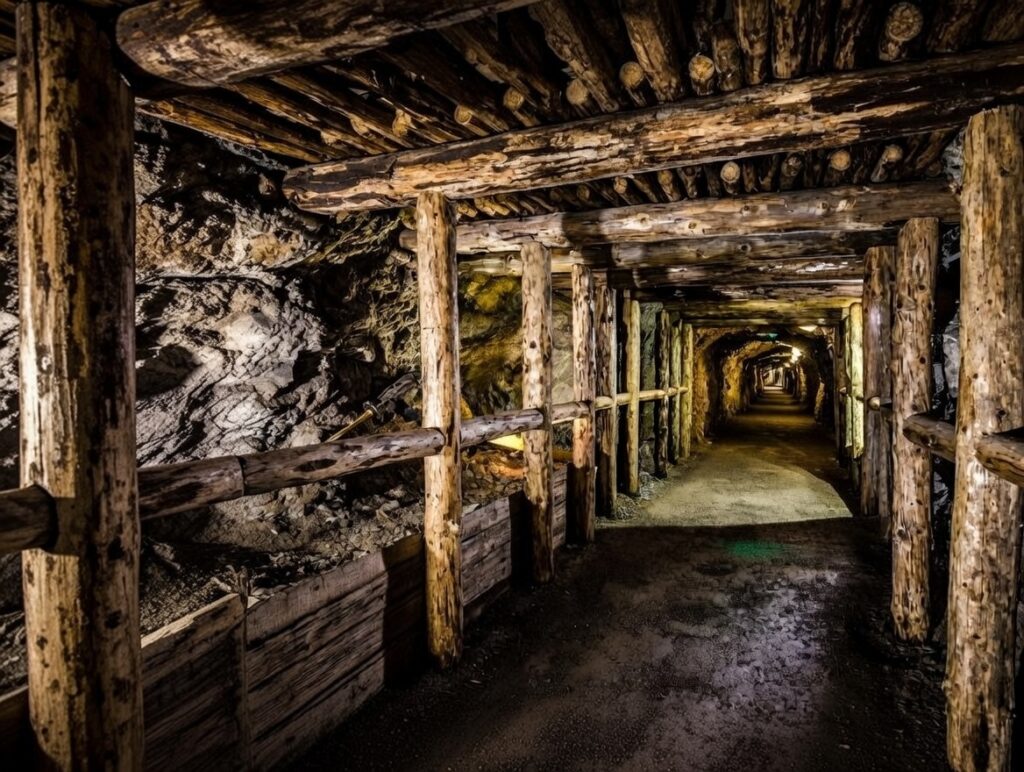
Medieval mining focused exclusively on gold using fire-setting and hand tools. Miners heated rock faces with fires, then doused with cold water creating thermal shock fracturing stone. Additionally, hammers and chisels removed broken ore transported to surface via rope baskets. Furthermore, simple amalgamation techniques using mercury separated gold from crushed rock. However, yields remained modest due to low gold concentrations requiring enormous labor processing minimal precious metal.
Arsenic Discovery and Industrial Transformation
The transformative discovery occurred early 17th century when miners and alchemists noticed peculiar white substance accompanying gold ores. Chemical analysis identified arsenic trioxide (white arsenic)—highly toxic but commercially valuable for medicine, pigments, glass production, and pesticides. Moreover, Złoty Stok’s quartzite contained exceptional arsenic concentrations making extraction economically viable once demand emerged.
By 1700s, arsenic production overshadowed gold becoming primary mining objective. Sophisticated roasting facilities converted raw arsenic ores into purified white arsenic through controlled heating. Additionally, by 1910, Złoty Stok produced nearly 2,400 tonnes annually representing 20% of global arsenic supply. The metallurgical methods developed here became industry standards across Europe. Consequently, approximately 1 million tonnes of ore were processed producing 120,000 tonnes of arsenic over operation history.
Underground Waterfall Formation
Mining operations inadvertently created Złoty Stok’s most spectacular feature. Excavations intersected underground watercourses channeling mountain streams through galleries. Moreover, arsenic-rich rock formations caused groundwater to leach minerals creating distinctive green-yellow tinted cascades. Engineers channeled flow forming dramatic 8-meter waterfall—unique in Poland and rare globally. Additionally, mineral deposits coated surrounding rock with crystalline formations glittering under artificial lighting.
20th Century Operations and Nazi Era
Mining continued through World War I and interwar period under German control (the region belonged to Germany until 1945). Nazi occupation brought expansion including construction of underground facilities potentially intended for weapons production or storage. Moreover, forced laborers worked dangerous conditions extracting strategic minerals. However, exact Nazi-era activities remain partially documented with persistent local legends about hidden treasures or secret projects.
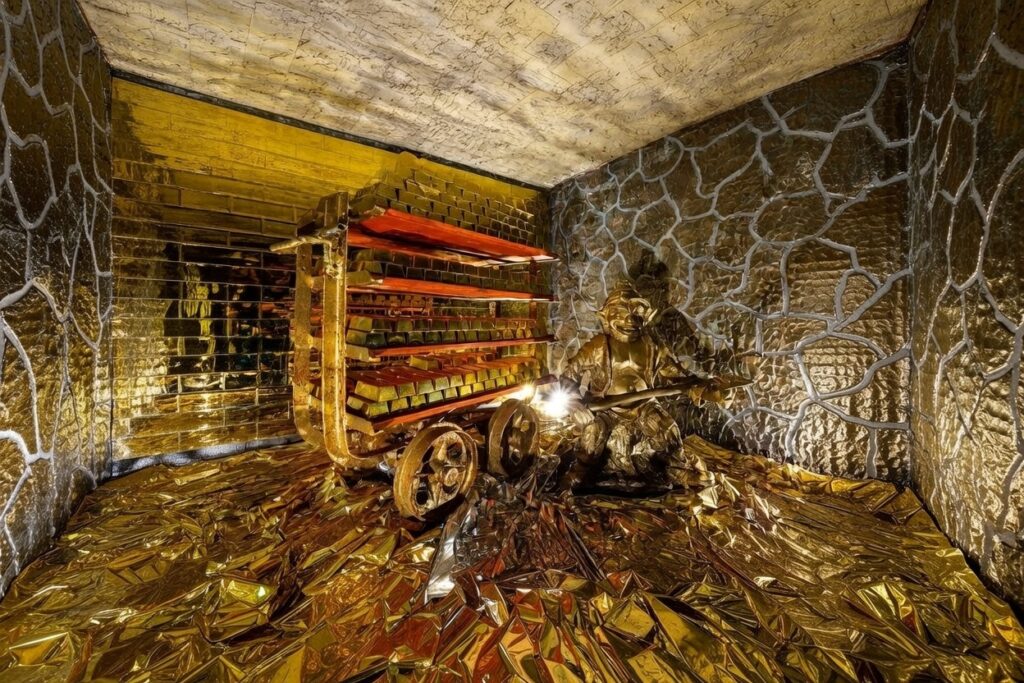
Post-war Poland inherited depleted deposits with declining economic viability. Consequently, commercial operations ceased 1962 ending 700+ years of continuous mining. The abandoned complex risked collapse until 1990s tourism development transformed industrial ruins into heritage attraction. Systematic route development, lighting installation, and safety improvements created today’s accessible underground experience.
Contemporary Heritage and Tourism
Złoty Stok joined Lower Silesian Underground Trail network promoting regional mining heritage tourism. Moreover, comprehensive conservation preserved galleries, machinery, and waterfall while ensuring visitor safety. Additionally, surface museums document mining history, mineralogy, and local culture. Therefore, Złoty Stok successfully balances industrial heritage preservation with sustainable cultural tourism generating regional economic benefits.
What to See in Złoty Stok Poland: Underground Wonders
Main Underground Tour – Gold Mine Route
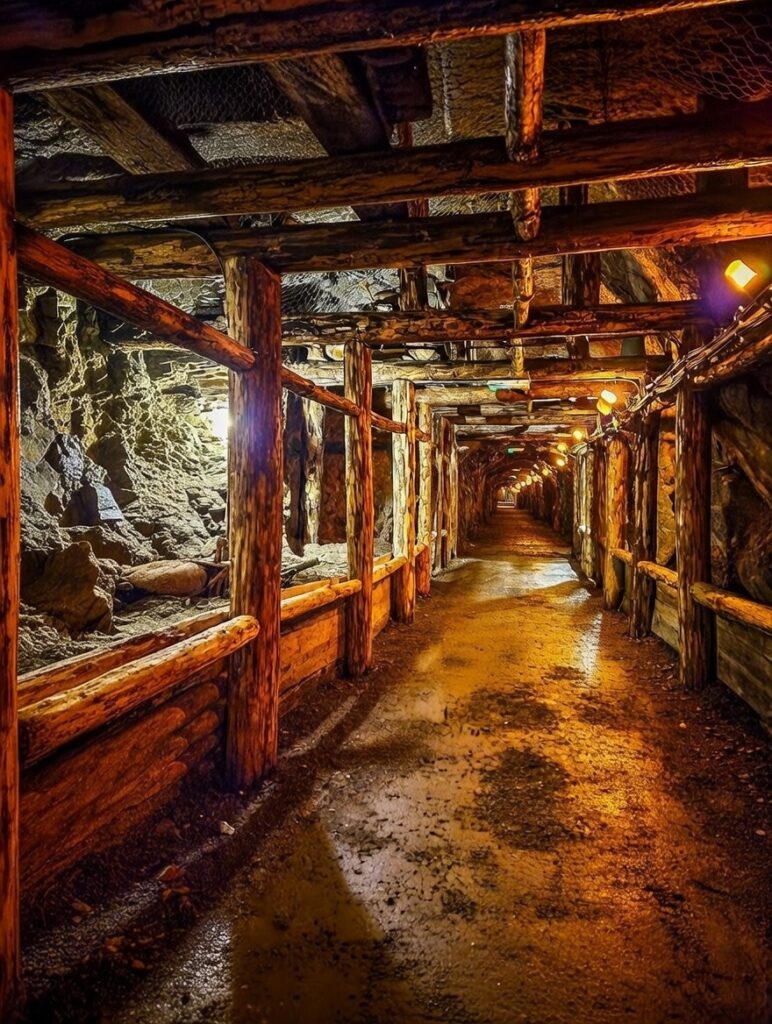
The primary tourist route covers 2 kilometers through historic mining galleries across two separate adits—Gerard Adit showcasing early mining techniques and Black Adit containing the famous underground waterfall. Visitors walk through hand-carved tunnels, illuminated chambers displaying mining equipment, geological samples, and multimedia presentations explaining extraction processes. Moreover, constant 8-10°C temperature requires warm clothing year-round regardless of surface weather.
Opening hours: April-October: daily 09:00-18:00, last entry 17:30; November-March: daily 09:00-17:00, last entry 16:00. Admission 2026: Adults 88 PLN, reduced 68 PLN (students, seniors, children 4+), children under 4 FREE, family ticket (2+2) 230 PLN. English tours available—verify schedule when booking. Tour duration: 90 minutes guided (mandatory guided tours; no self-exploration). Frequency: Tours depart every 45 minutes Polish-language; English typically 2-3 daily summer, weekends only winter.
Physical requirements: Moderate walking ability required; approximately 1 kilometer walking with some stairs. Not wheelchair accessible. Paths can be wet or muddy—sturdy shoes essential. Insider tip: Book 09:00-10:00 morning tours guaranteeing smallest groups (15-25 people versus 35-45 midday summer). Moreover, guides provide more detailed explanations with smaller groups.
⭐ Underground Waterfall – Poland’s Only Subterranean Cascade
The tour’s dramatic highlight occurs in Black Adit where visitors encounter Poland’s only underground waterfall plunging 8 meters through mineral-stained rock. Dramatic lighting illuminates the cascading water showcasing distinctive green-yellow tint caused by arsenic and iron oxides leaching from surrounding quartzite. Moreover, constant flow creates misty atmosphere with mineral deposits coating walls in crystalline patterns glittering under spotlights.
Location: Deep within Black Adit; accessed after 45-minute walk through interconnected galleries. Viewing: Safe observation platform provides unobstructed views; photography encouraged. Acoustics: Waterfall creates thunderous roar in confined chamber amplifying dramatic effect. Geology: Arsenic-bearing quartzite creates unique coloration rarely seen elsewhere. Insider tip: Photography works best without flash using 1-2 second exposures on tripod (permission required; ask guide). Alternatively, smartphone night mode captures surprising detail. Moreover, mist creates rainbow effects in lights—position yourself angle capturing full cascade for optimal composition.
Underground Electric Tram Ride
A vintage electric mining tram transports visitors 300 meters through Black Adit connecting distant galleries. The narrow-gauge railway originally served ore transport; restored tram cars now carry tourists through atmospheric tunnels. Moreover, riding through darkness with only dim lights creates immersive mining experience. Additionally, guides explain historic rail systems’ crucial role in industrial-scale extraction.
Duration: 5-8 minute segment within overall tour. Experience: Seated in authentic mining cars; low clearance requires ducking in places. Speed: Slow pace (5-10 km/h) allowing observation of tunnel features. Insider tip: Request front car position for best views and unobstructed photography of tracks ahead vanishing into darkness.
Gold Panning Demonstration
Interactive workshops teach visitors traditional gold panning techniques using authentic equipment and ore samples. Guides demonstrate swirling water in shallow pans separating heavier gold particles from lighter sediments. Moreover, participants try themselves with provided materials—most find tiny gold flakes providing thrilling moment of discovery. Additionally, all panned gold displayed under magnification revealing characteristic yellow metallic luster.
Location: Dedicated underground chamber equipped with water basins. Duration: 15-20 minute segment within tour. Success rate: Nearly everyone finds visible gold flakes with guide assistance. Keeping gold: Found particles too small for practical collection; serves educational demonstration. Insider tip: Watch experienced panners’ technique closely before attempting—proper circular swirling motion key to success. Children particularly enjoy hands-on discovery experience.
Commemorative Coin Minting
Underground workshop allows visitors hand-striking commemorative coins using historic drop-hammer press. Guides position blank metal discs between engraved dies; visitors pull lever releasing heavy weight stamping coin with mine emblem. Moreover, resulting coins feature Złoty Stok imagery creating unique souvenirs. Additionally, process demonstrates medieval and early-modern metalworking techniques.
Cost: Included in admission (one coin per person); additional coins available for purchase 10-15 PLN. Physical demand: Requires pulling heavy lever; children typically need adult assistance. Result: Take-home personalized souvenir documenting visit. Insider tip: Coins make excellent gifts—consider purchasing extras for family members unable to visit.
Gerard Adit – Medieval Mining Chambers
The first adit entered on tours showcases earliest mining methods with hand-carved chambers, preserved medieval tools, and interpretive displays. Moreover, narrow passages illustrate cramped working conditions miners endured. Additionally, visible quartzite veins show gold-bearing formations miners followed creating labyrinthine workings. Furthermore, guides explain fire-setting technique using actual charred rock examples.
Historical significance: Dates to 13th-16th centuries; some chambers 700+ years old. Features: Original tool marks visible in walls; reconstructed medieval mining scene; geological displays. Atmosphere: More austere than Black Adit; emphasizes harsh working conditions. Insider tip: Look closely at ceiling and walls—individual tool marks visible showing where miners painstakingly chipped away rock inch by inch.
Surface Mining Museum Complex
Above-ground facilities include Museum of Minerals displaying extensive collections of local specimens including arsenic minerals, gold nuggets, and unique quartzite formations. Additionally, Museum of Gold Mining and Metallurgy documents extraction techniques evolution, arsenic production methods, and social history. Furthermore, Scharfenberg Laboratory displays preserved alchemical equipment and explains arsenic’s historical uses from medicine to murder.
Admission: Included with mine tour ticket or 20 PLN separate entry. Opening hours: Align with mine operations. Time needed: 45-60 minutes comprehensive visit. Languages: Polish primary; English summaries on major displays. Insider tip: Museum visits work well before underground tour providing historical context enhancing subsequent underground experience. Alternatively, visit after tour when underground impressions fresh for connecting theory to reality.
How to Reach Złoty Stok Poland
Location and Regional Context
Złoty Stok Poland sits in Bystrzyckie Mountains of Lower Silesia, approximately 70 kilometers south of Wrocław and 18 kilometers from Kłodzko. Moreover, GPS coordinates 50.4431°N, 16.8700°E locate the mine entrance on Złota Street. Additionally, positioning near Czech border in scenic mountain valley provides beautiful alpine setting. Furthermore, the village lies within Kłodzko Valley region known for spa towns, mountain hiking, and historic fortresses.
From Wrocław – Bus and Car
By car: 68 kilometers south; 90-100 minutes via Route 382 through Ząbkowice Śląskie to Kłodzko, then Route 33 to Złoty Stok. Additionally, scenic mountain driving through Bystrzyckie foothills. Moreover, straightforward routing makes self-drive most convenient option.
By bus: Limited direct options; typically requires Wrocław-Kłodzko bus (multiple daily; 90-120 minutes; 25-35 PLN), then Kłodzko-Złoty Stok local bus (4-7 daily; 20 minutes; 8-12 PLN). Check current schedules at e-podroznik.pl. Total journey 2-3 hours depending on connections. Therefore, car rental or organized tour more practical for day trips.
Organized tours from Wrocław: Several agencies offer Złoty Stok day trips often combined with nearby attractions such as Srebrna Góra Fortress or Kłodzko Underground; 180-320 PLN per person including transport and guide. Moreover, tours handle logistics but limit on-site time to 2-3 hours.
From Kłodzko – Local Transport Hub
By bus: Local buses operate Kłodzko-Złoty Stok route; 4-7 daily departures; 20-25 minutes; 8-12 PLN. FlixBus and regional carriers service route. Check schedules as frequency varies weekdays versus weekends. Buses stop at Złoty Stok center, 500 meters from mine entrance (8-minute walk).
By taxi: Kłodzko to Złoty Stok taxis cost 60-80 PLN; 18-20 minutes driving. Pre-arrange return pickup as taxis rarely wait at Złoty Stok. Useful for travelers with limited bus schedule flexibility.
By car: 18 kilometers north via Route 33; 20 minutes straightforward driving. Consequently, Kłodzko makes convenient base for exploring Złoty Stok and surrounding Bystrzyckie Mountains attractions.
Parking at Mine Site
Main parking: FREE lot with 60-80 spaces adjacent to mine entrance and restaurant. Conditions: Paved; suitable all vehicles year-round. Availability: Generally adequate except peak summer weekends (10:00-15:00 July-August) when overflow roadside parking necessary. Security: Visible from mine facilities; generally safe though avoid leaving valuables visible.
From Other Cities and Border Crossings
From Prague, Czech Republic: 170 kilometers north via D1/Route 35; 2.5-3 hours crossing border at Nachod-Kudowa-Zdrój. Consequently, feasible for Czech visitors or international travelers flying into Prague.
From Kraków: 280 kilometers west; 4 hours via A4 motorway. Practical only for extended Lower Silesia tours visiting multiple attractions.
Local tip: Złoty Stok works excellently as stopover between Wrocław and Czech Republic or as part of multi-day Kłodzko Valley circuit including Polanica-Zdrój spa, Srebrna Góra Fortress, and Błędne Skały rock formations.
Best Time to Visit Złoty Stok Poland
Peak Season (July-August)
Weather surface: 18-24°C; sunshine 7-9 hours daily. Weekend visitor numbers reach 500-800 daily. Consequently, advance booking essential 1-2 weeks for English tours. Additionally, tour groups maximum capacity (40-45 people) creating crowded underground passages. Moreover, parking fills midday requiring overflow areas.
Advantages: Extended opening hours (until 18:00 versus 17:00 off-season). Furthermore, daily English tours versus limited weekly schedules winter. Additionally, warm surface weather contrasts pleasantly with cool 8-10°C underground. Moreover, full village services operate including restaurants, guesthouses, and shops. Surrounding mountains ideal for hiking creating multi-activity days. Disadvantages: Crowded tours diminish intimate atmosphere. Additionally, photography difficult with constant tourist movement. Furthermore, underground waterfall viewing platform congested with limited viewing time. Moreover, higher accommodation prices in nearby Kłodzko and Polanica-Zdrój (30-40% above off-season).
Shoulder Season (April-June, September-October)
Weather surface: 8-20°C; occasional rain but frequent sunshine. Visitor numbers drop 50-60% compared to peak. Consequently, weekday tours often 20-30 people allowing more personalized experience. Additionally, booking flexibility improves—typically 3-5 days advance sufficient. Moreover, accommodation prices return to baseline.
Spring advantages (April-June): Fresh mountain greenery; wildflowers in surrounding valleys. Moreover, May particularly pleasant with stable 16-20°C temperatures. Additionally, minimal school groups April-May. Autumn advantages (September-October): Mountain foliage creates spectacular scenery. Moreover, September-early October dry weather ideal for combining mine visit with mountain hiking. Additionally, October weekdays nearly crowd-free with tours sometimes 15-20 people.
Disadvantages: Slightly reduced opening hours (closes 17:00-18:00 versus 18:00 peak). Additionally, English tours may require minimum group sizes April-May and October—verify when booking. Moreover, occasional rain requires waterproof gear though doesn’t affect underground portions.
Off-Season (November-March)
Weather surface: -5 to 5°C; snow common December-February. Visitor numbers minimal—80-200 daily even weekends. Moreover, tours frequently 10-20 people creating intimate atmosphere. Additionally, accommodation 40-50% below summer rates. However, English tours limited to weekends or advance group bookings minimum 15 people.
Advantages: Near-private underground experience with extensive guide interaction. Furthermore, constant 8-10°C underground feels warm compared to freezing surface creating pleasant contrast. Additionally, snow-covered village and mountains create picturesque alpine scenery. Moreover, no advance booking necessary—walk-up tickets readily available. Therefore, dedicated mining heritage enthusiasts and photographers favor winter visits. Disadvantages: Very limited English tour schedule—typically Saturday-Sunday only. Additionally, short daylight (08:00-16:00 December) limits flexibility combining mine with other activities. Moreover, some village restaurants close or operate reduced hours. Furthermore, mountain roads occasionally challenging in heavy snow.
Optimal Timing Recommendations
Best overall: May or September offer ideal conditions—moderate 14-20°C surface temperatures, manageable crowds (20-30 people tours), full tour availability, baseline pricing, and pleasant mountain weather. Best for avoiding crowds: October-March weekdays guarantee smallest groups though require Polish-language tour acceptance or coordinating English group tours. Best for photography: September-October combines manageable crowds with autumn light and foliage enhancing surface and underground compositions. Special consideration: Underground temperature constant 8-10°C year-round—bring warm jacket every month regardless of surface conditions.
Best Restaurants & Lower Silesian Cuisine Near Złoty Stok Poland
At Mine Complex
Kuźnia Smaków (Forge of Flavors): Restaurant directly adjacent to mine entrance offers convenient post-tour dining with 250-seat capacity across two levels. Moreover, menu specializes in Lower Silesian dishes with signature items including porcini mushroom soup (Kurt Scheller’s recipe) 22 PLN, Silesian pork schnitzel fried in lard 58 PLN, venison goulash 68 PLN. Additionally, vegetarian, vegan, and gluten-free options available. Summer garden provides outdoor seating May-September. Hours: Daily 10:00-20:00 adjusting seasonally. Advantage: Zero travel for immediate meal; quality above typical tourist-site restaurants.
Złoty Stok Village Center (500m from mine)
Bar Mleczny “Pod Dębem” (Under the Oak) serves traditional milk bar cuisine. Moreover, menu includes żurek 12 PLN, kotlet schabowy 16 PLN, pierogi 14 PLN per 10-piece, bigos 15 PLN. Hours: Monday-Friday 08:00-16:00; Saturday 09:00-14:00; closed Sunday. Cash only. Why locals eat here: Authentic home cooking; no tourist prices; 25-35 PLN typical total.
Pensjonat restaurant options: Several guesthouses operate small restaurants serving traditional Polish fare 35-60 PLN per person. Quality varies; ask mine staff for current recommendations.
Nearby Kłodzko (18 km) – Better Dining Variety
Restauracja “Zamkowa” (Castle Restaurant) in Kłodzko offers upscale Lower Silesian cuisine. Moreover, menu features duck breast with dumplings 72 PLN, trout from local streams 58 PLN, wild boar medallions 78 PLN. Atmospheric setting in historic building near fortress. Hours: Tuesday-Sunday 12:00-22:00; closed Monday. Reservations recommended weekends.
Budget option: Bar Mleczny in Kłodzko center provides authentic workers’ canteen experience; full meals 20-30 PLN. Multiple pizzerias offer quick 25-40 PLN meals.
Regional Lower Silesian Specialties
Schlesisches Himmelreich (Silesian Heaven)—pork with fruit compote and dumplings; 48-68 PLN reflecting German heritage. Krupniok—Silesian blood sausage with buckwheat; 28-38 PLN. Modra kapusta—sweet-sour red cabbage; 14-20 PLN side dish. Kluski śląskie—Silesian potato dumplings with thumb indent; 18-28 PLN. Lower Silesian beer—try regional Browar Zamkowy (Castle Brewery) Kłodzko; 12-16 PLN. These dishes reflect unique Silesian culinary traditions blending Polish, German, and Czech influences.
Accommodation for Visiting Złoty Stok Poland
Złoty Stok Village Options (150-350 PLN/night)
Pensjonat “Pod Koroną” offers comfortable rooms 180-260 PLN/night including breakfast. Moreover, family-run; 600 meters from mine entrance (10-minute walk). Additionally, free parking; restaurant on-site; mountain views. Basic English spoken. Booking: Direct phone or platforms. Advantage: Authentic village atmosphere; immediate mine access.
Gościniec “U Górnika” (Miner’s Guesthouse) provides rustic rooms 150-220 PLN/night. Furthermore, mining-themed decor; shared bathrooms some rooms; home-cooked meals available. Advantage: Budget option with character; hosts often share mining history stories.
Nearby Kłodzko (18 km) – More Options
Hotel “Korona Złotego Stoku” (Kłodzko) offers mid-range comfort 280-420 PLN/night including breakfast. Moreover, modern amenities; on-site restaurant; free parking; English-speaking reception. Additionally, 20-minute drive to Złoty Stok. Booking: Standard platforms.
Budget Kłodzko: Several guesthouses 150-250 PLN/night; hostel beds 60-90 PLN. Moreover, larger town provides more dining and shopping options versus Złoty Stok village.
Spa Town Alternative: Polanica-Zdrój (25 km)
Historic spa resort offers upscale accommodation 350-800 PLN/night with wellness facilities. Moreover, pleasant evening atmosphere with promenades, parks, and multiple restaurants. Additionally, combines Złoty Stok mining heritage with spa relaxation. However, requires 30-minute drive daily to mine.
Accommodation Strategy
For focused mine visit: Stay Złoty Stok village enabling early morning tours and evening village exploration. For regional touring: Base Kłodzko accessing Złoty Stok, Srebrna Góra Fortress, and mountain hikes from central location. For comfort and amenities: Polanica-Zdrój provides upscale base for touring Kłodzko Valley attractions. Budget travelers: Złoty Stok village guesthouses offer lowest rates with authentic mountain atmosphere.
What to See Nearby Złoty Stok Poland
Srebrna Góra Fortress (30 km)
Massive 18th-century Prussian fortress complex sprawls across mountaintop with multiple interconnected forts. Moreover, guided tours explore casemates, gun emplacements, and underground passages. Additionally, panoramic mountain views from ramparts. Admission: 25 PLN adults. Allow 2-3 hours. Consequently, excellent combination with Złoty Stok creating military-mining heritage day.
Kłodzko Underground (18 km)
Medieval cellars and tunnels beneath Kłodzko Old Town create second underground attraction. Moreover, 600-meter route includes former defensive tunnels, wine cellars, and historical displays. Admission: 20 PLN adults. Allow 60 minutes. Therefore, visitors completing both Złoty Stok mine and Kłodzko Underground compare different subterranean experiences same day.
Błędne Skały Rock Formations (40 km)
Unique limestone maze of weathered rocks, narrow passages, and scenic viewpoints in Table Mountains. Moreover, hiking trails wind through bizarre rock formations. Admission: 12 PLN. Allow 2-3 hours. Consequently, nature lovers combine mining heritage with geological wonders.
Polanica-Zdrój Spa Town (25 km)
Historic mineral water spa offers beautiful parks, pump room architecture, and wellness facilities. Moreover, pleasant for afternoon relaxation after morning mine tour. Allow 2-3 hours walking promenades and parks.
Czech Border Attractions (30-40 km)
Náchod Castle and Adršpach-Teplice Rocks across Czech border provide additional day trip options. Moreover, Adršpach features spectacular sandstone formations and blue-green lakes. Passport required. Allow full day.
Suggested Multi-Day Itinerary
Day 1: Złoty Stok Gold Mine morning, Srebrna Góra Fortress afternoon, evening in Kłodzko or Polanica-Zdrój. Day 2: Kłodzko Underground and Old Town morning, Błędne Skały hiking afternoon. Day 3: Czech Adršpach-Teplice Rocks or relaxation in Polanica-Zdrój spa. Consequently, this balances underground heritage, mountain nature, and wellness creating comprehensive Kłodzko Valley experience. Base Kłodzko or Polanica-Zdrój for central positioning.
Practical Tips for Visiting Złoty Stok Poland
Planning Your Visit
Allow 3-4 hours total for Złoty Stok Poland experience: 30 minutes pre-tour museum, 90 minutes underground tour, 30 minutes gold panning/coin minting, 30-60 minutes surface museums and restaurant. Additionally, factor travel time from Wrocław (2 hours) or Kłodzko (30 minutes) making half-day minimum commitment. Advance booking recommended June-August (1-2 weeks); typically unnecessary April-May and September-October weekdays. Furthermore, English tours require verification—call or email confirming English schedule for your visit date.
Essential Booking Information
Website: kopalniazlota.pl (Polish/English versions). Phone: +48 74 817 5508 (reception speaks basic English). Email: biuro@kopalniazlota.pl. English tours: Guaranteed June-August daily 2-3 departures; April-May and September-October typically weekends plus select weekdays; November-March weekends only or minimum 15-person advance booking. Walk-up tickets: Available space permitting; risky summer weekends though usually okay weekdays off-season.
Money and Payments
Ticket office accepts cash (PLN) and major credit/debit cards. Moreover, ATM available in Złoty Stok village center (500 meters). Additionally, on-site restaurant and gift shop accept cards. Typical costs: Mine admission 88 PLN; lunch 50-70 PLN; transportation from Kłodzko 15-30 PLN; total day trip 150-190 PLN per person excluding accommodation.
What to Bring Underground
- Warm jacket or fleece: Absolutely essential year-round—constant 8-10°C underground versus 25°C+ surface summer. Moreover, dampness makes it feel colder. Bring hat and gloves October-March even if surface mild.
- Waterproof shoes with grip: Paths frequently wet; some puddles unavoidable. Additionally, stone floors slippery when damp. Trail runners or hiking boots ideal; avoid fashion sneakers, sandals, flip-flops.
- Long pants: Recommended for protection against cold and damp. Moreover, provides modest coverage respecting former workplace.
- Camera: Photography allowed throughout. Moreover, waterfall chamber well-lit for photography. Additionally, tripod useful but requires permission and careful positioning avoiding other visitors.
- Small backpack: For jackets, water bottles, souvenirs purchased underground. Moreover, tight passages some sections mean compact bags preferable.
- Headlamp optional: Mine well-lit but personal light reveals details in shadowed areas. Therefore, serious photographers or explorers appreciate supplemental lighting.
Insider Tips and Secrets
- ⭐ Best tour time: First 09:00-09:30 morning departure guarantees smallest crowds (15-25 people versus 40-45 midday). Moreover, guides more energetic providing detailed historical anecdotes. Additionally, waterfall viewing platform uncrowded allowing extended photography.
- ⭐ Waterfall photography: Position yourself platform left side for best angle capturing full cascade illuminated by colored lights. Moreover, 1-2 second exposures without flash capture flowing water beautifully (tripod or brace camera against railing). Additionally, ask guide dimming some lights briefly for dramatic low-light shots showing natural mineral glow.
- ⭐ Hidden Nazi chambers: Tour passes chambers containing preserved German military markings and fortification remnants—ask guide about WWII history and local legends about hidden treasures. Moreover, guides often share stories not included in standard presentations when groups show interest.
- ⭐ Free village exploration: Zlatá Street (main village road) preserves historic timber-frame houses, baroque church (1670), and small mining monuments. Moreover, 30-minute self-guided walk reveals authentic mountain village life. Additionally, view mine from distance seeing entrances in mountainside context.
- ⭐ Gold panning success: Everyone finds gold flakes but patient technique yields more—watch experienced panners closely, use gentle circular motion, tip pan gradually. Moreover, children love activity though may need adult assistance maintaining proper technique.
- ⭐ Combine attractions: Purchase lunch at Kuźnia Smaków restaurant before departure enabling immediate post-tour meal when hungry and cold. Moreover, restaurant quality exceeds typical tourist-site offerings making it worthwhile versus village alternatives.
Safety and Accessibility
Safety: Tours very safe—maintained walkways, handrails, professional guides, emergency lighting systems. However, wet floors require cautious footing. Moreover, low clearances some passages require ducking—guides warn in advance. Additionally, constant cool temperature requires appropriate clothing preventing hypothermia risk.
Accessibility: Not wheelchair accessible—stairs unavoidable, narrow passages, uneven surfaces throughout route. Moreover, electric tram requires stepping over threshold. Therefore, mobility-impaired visitors unfortunately cannot access underground tours. Additionally, minimum age typically 4 years (must follow instructions and walk entire route). Some tours may restrict pregnant women—inquire when booking.
Claustrophobia considerations: Most passages moderately spacious though occasional narrow sections. Moreover, psychological awareness of being underground affects some visitors. Additionally, 90-minute duration significant time commitment inside mountain. Therefore, severe claustrophobia sufferers should honestly assess comfort before booking.
Health and Environmental Notes
Arsenic safety: Despite mine’s toxic arsenic history, tours completely safe. Moreover, all accessible areas thoroughly tested showing no dangerous exposure levels. Additionally, mineral-tinted water flowing today contains minimal arsenic at safe concentrations. However, don’t drink or touch contaminated water as precaution. Furthermore, avoid licking walls or rocks regardless of interesting colors.
Tourist Information and Emergencies
Złoty Stok Tourist Information (village center; phone +48 74 817 5774) operates seasonally May-September Monday-Friday 09:00-16:00. Moreover, mine reception handles tour inquiries year-round. Emergency: 112 (EU standard). Nearest hospital: Szpital w Kłodzku, ul. Witelona; 18 kilometers/25 minutes. Mine maintains underground emergency procedures and first-aid trained staff.