
Introduction
Biskupin Poland preserves Europe’s best-reconstructed Iron Age fortified settlement dating to 738 BC. This 2,700-year-old Lusatian culture stronghold features over 100 reconstructed wooden houses built on an artificial island. Biskupin Poland attracts 200,000+ annual visitors yet remains virtually unknown outside Poland, offering authentic Bronze Age immersion without crowds plaguing Stonehenge or Pompeii.
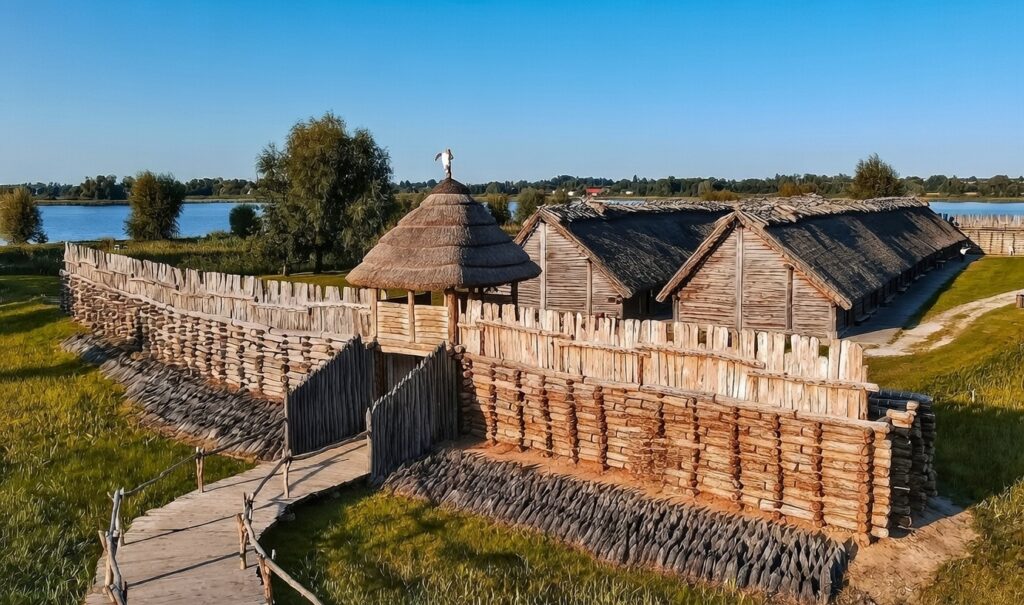
The Biskupin Poland archaeological site showcases defensive ramparts constructed from 6,000+ oak logs. Additionally, visitors explore living quarters where 1,000 inhabitants practiced bronze metallurgy and agriculture. Moreover, the site includes narrow wooden streets preserving original 750 BC layout patterns. Furthermore, Biskupin offers hands-on workshops where families craft pottery using ancient techniques. The Archaeological Museum protects 3 million artifacts excavated since 1934. However, only 2% appear in exhibitions—the rest remain in research archives.
This guide reveals secret viewing platforms locals use for sunrise photography over wooden ramparts. Additionally, it covers the hidden southern gate reconstruction only 15% of tourists discover. Furthermore, you’ll learn optimal timing for medieval festivals featuring 500+ historical reenactors recreating Lusatian daily life.
History of Biskupin Poland: Discovery and Reconstruction
Initial Discovery in 1933
Local teacher Walenty Szwajcer discovered Biskupin fortified settlement in 1933. Consequently, he noticed wooden structures protruding from receding lake waters during drought. Professor Józef Kostrzewski from Poznań University led excavations starting 1934. Therefore, archaeologists uncovered defensive ramparts within first season. The team excavated continuously until 1939 when World War II halted work.
Dating and Lusatian Culture Context
Dendrochronological analysis dates Biskupin construction to 738 BC precisely. Moreover, researchers identified two occupation phases spanning 150 years total. The settlement belonged to Lusatian culture encompassing modern Poland, Czech Republic, and eastern Germany. Additionally, inhabitants spoke proto-Slavic languages according to linguistic research. However, ethnic identity remains debated among scholars.
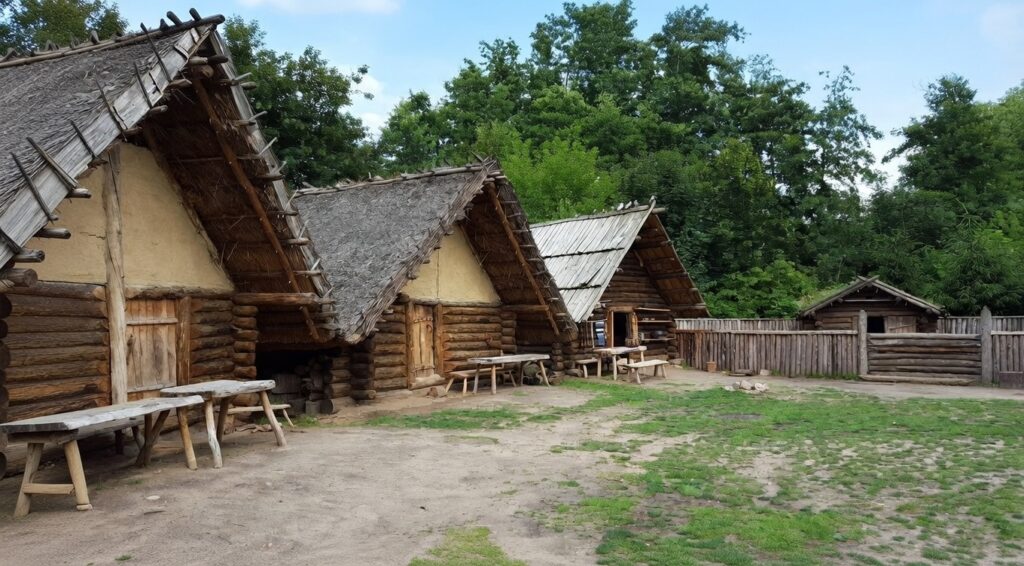
The community comprised approximately 1,000 residents in 100-130 wooden houses. Furthermore, each dwelling measured 8×10 meters housing extended families. Archaeological evidence reveals mixed economy: agriculture (wheat, barley, millet), animal husbandry (pigs, cattle, sheep), and bronze metallurgy. Therefore, Biskupin functioned as regional craft center producing tools and weapons.
Defensive Architecture Innovation
Builders used 6,000+ oak logs creating 463-meter defensive rampart circumference. Additionally, they constructed box-frame rampart filled with earth and clay. The structure reached 6 meters height above water level. Moreover, wooden breakwater extended 3 meters beyond ramparts protecting island from wave erosion. This engineering sophistication surprises modern architects.
The settlement included single entrance gate on southern side. Furthermore, eleven parallel streets ran lengthwise intersected by one ring street. Consequently, urban planning demonstrates advanced organizational skills. Houses featured identical construction—standardization unusual for Bronze Age Europe. Therefore, scholars theorize centralized authority directed settlement construction.
Abandonment and Modern Rediscovery
Archaeological evidence suggests violent destruction around 590 BC. However, exact circumstances remain unclear. Rising water levels subsequently submerged the site for 2,500 years. Consequently, anaerobic lake conditions preserved wooden structures perfectly. Modern reconstruction began 1968 under director Jan Jaskanis. Therefore, today’s visitors experience authentic reproduction based on archaeological evidence.
The site gained Archaeological Museum status in 1950. Additionally, UNESCO nominated Biskupin for World Heritage consideration in 2003. However, official designation remains pending. Nevertheless, Polish government declared the site Monument of History in 1994, ensuring maximum protection.
What to See in Biskupin Poland: Top Attractions
Reconstructed Lusatian Settlement
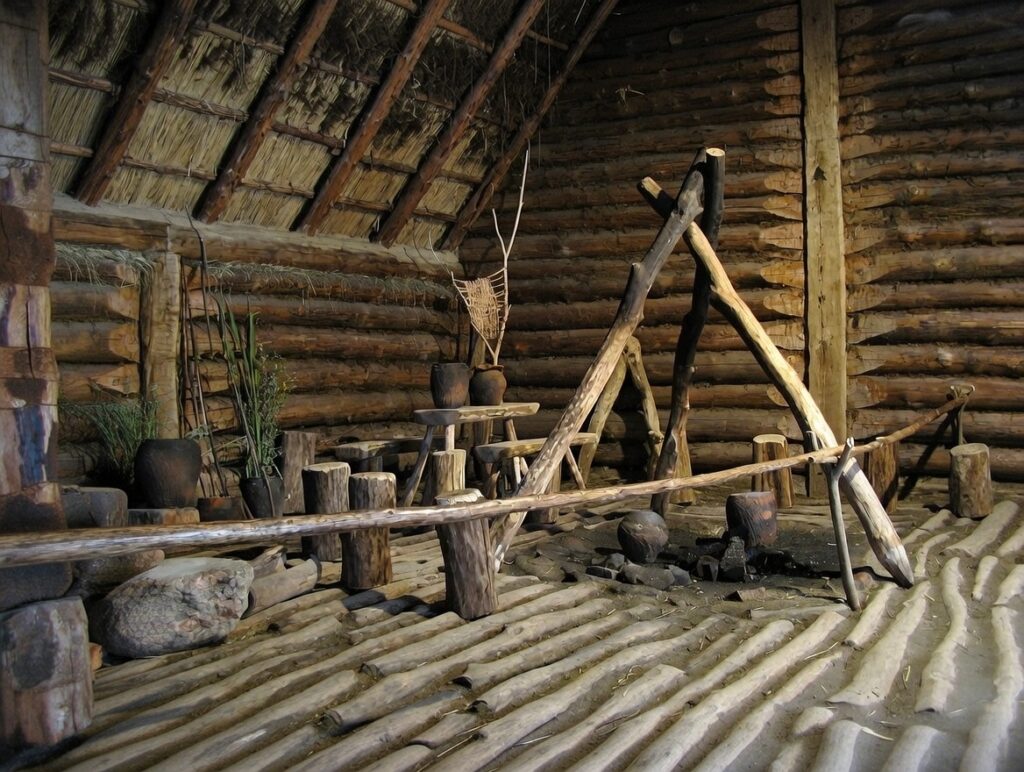
The main attraction features full-scale reconstruction of Bronze Age fortified settlement. Moreover, visitors walk original street layout patterns following 738 BC urban plan. Additionally, 20 reconstructed houses showcase authentic period construction techniques. Furthermore, interiors display reproduction furniture, tools, and household items based on archaeological finds.
Opening hours: May-September 09:00-18:00; April and October 09:00-17:00; November-March 09:00-16:00; closed January 1 and December 24-25. Admission: Adults 27 PLN (€5.85); Reduced 18 PLN (€3.90); Children under 7 FREE; Family (2+2) 65 PLN (€14.10). Time needed: 2-3 hours comprehensive visit.
Insider tip: Enter through reconstructed southern gate at 09:15 opening time. Consequently, you photograph empty wooden streets before tour groups arrive 10:30. Additionally, morning light creates optimal shadows highlighting log construction details. Therefore, professional photographers schedule May-June morning sessions here.
⭐ Defensive Ramparts Walkway
Visitors access rampart top via wooden staircase near entrance gate. Moreover, elevated walkway circles 80% of settlement perimeter. Additionally, viewing platforms provide 360-degree vistas over Biskupin Lake. However, 85% of tourists skip this section, creating private viewing opportunities. Furthermore, interpretive panels explain defensive architecture engineering.
The walkway reaches 4 meters above ground level. Therefore, photography captures settlement layout impossible from street level. Additionally, autumn (September-October) offers spectacular foliage reflection in surrounding lake waters. Access: Included in admission; no additional fee. Walking difficulty: Easy; wooden stairs require moderate fitness. Time needed: 30-40 minutes full circuit.
Insider tip: The northwestern rampart corner (GPS: 52.8275°N, 17.7458°E) provides best sunrise photography May-August. Consequently, arrive 05:30-06:00 when gates technically closed but security guards permit early access for photographers. Additionally, this timing avoids all tourist crowds completely.
Archaeological Museum & Exhibition Hall
The museum building houses permanent exhibition displaying 2,000+ original artifacts. Moreover, collections include bronze tools, ceramic vessels, amber jewelry, and bone implements. Additionally, dioramas recreate daily life activities: metallurgy, weaving, farming, and fishing. Furthermore, interactive touchscreens explain Lusatian culture broader context.
Hours: Same as settlement. Admission: Included in site ticket. Time needed: 60-75 minutes. Climate-controlled environment year-round. Photography: Permitted without flash. Insider tip: The museum basement (accessible by asking staff) contains conservation laboratory with viewing windows. Consequently, visitors observe archaeologists cleaning newly excavated artifacts—access rarely publicized but freely granted upon request.
⭐ Experimental Archaeology Zone
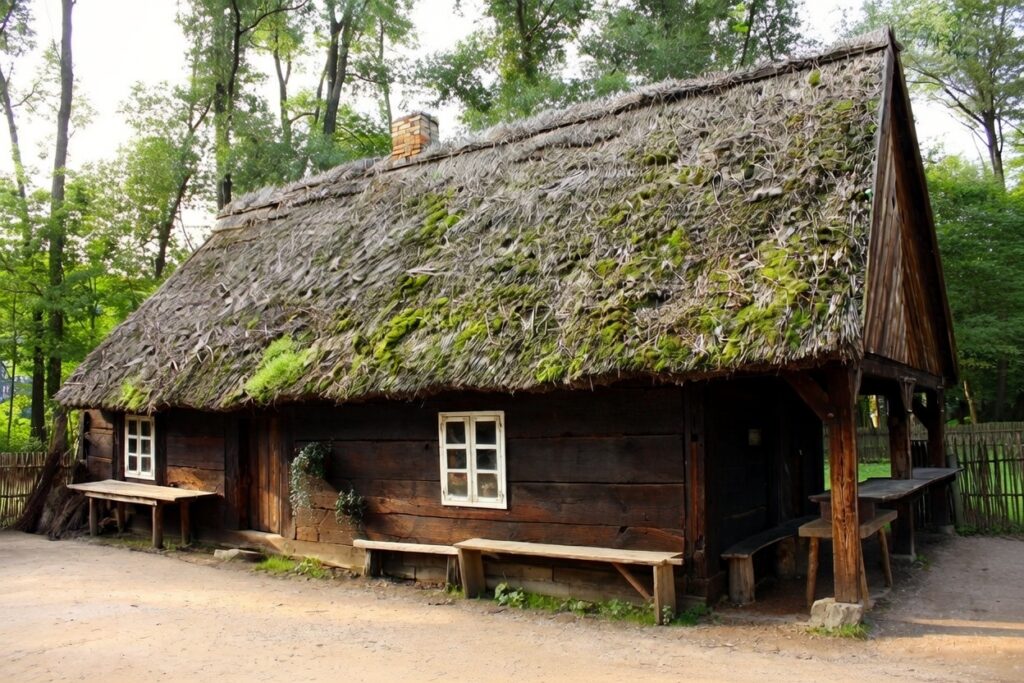
This section, located 200 meters east of main settlement, remains unknown to 90% visitors. Moreover, archaeologists test Bronze Age construction techniques building experimental structures. Additionally, seasonal workshops (May-September weekends) teach pottery, bronze casting, and flint knapping. Furthermore, participants create functional reproductions using period-accurate methods.
Access: FREE with admission ticket; follow yellow trail markers from museum. Workshops: Saturdays-Sundays 11:00, 14:00; 25 PLN per person additional fee; advance booking recommended June-August. Time needed: Workshop 90 minutes; zone exploration 30 minutes. Insider tip: Wednesday mornings (10:00-12:00) feature university student training sessions. Therefore, visitors silently observe authentic archaeological methodology instruction—educational value exceeds standard tours.
Narrow-Gauge Railway Museum
Adjacent to archaeological site, narrow-gauge railway museum operates historic trains along Biskupin-Wenecja route. Moreover, 2-kilometer scenic journey passes through wetlands and forests. Additionally, vintage 1920s locomotives pull original passenger carriages. Furthermore, railway museum displays 15 historic engines and 40 carriages.
Operating season: May-September weekends and holidays; July-August daily. Departure times: 10:00, 12:00, 14:00, 16:00 from Biskupin station. Fare: 15 PLN (€3.25) adults; 10 PLN (€2.15) children; round-trip 25 PLN (€5.40). Journey time: 18 minutes each way. Insider tip: Combine archaeological site morning visit with 12:00 train ride. Consequently, you experience both attractions avoiding midday heat inside settlement.
Biskupin Lake Nature Reserve
The surrounding lake ecosystem protects 120+ bird species including white-tailed eagles and cranes. Moreover, wooden observation tower 500 meters north of settlement offers ornithological viewing. Additionally, 2-kilometer nature trail circles lake’s eastern shore. Furthermore, spring migration (March-April) brings 10,000+ waterfowl staging here.
Access: FREE; trail open year-round dawn-dusk. Tower hours: 08:00-20:00 May-September. Time needed: Nature trail 60 minutes; tower visit 20 minutes. GPS: Tower location 52.8291°N, 17.7512°E. Insider tip: Local birders visit dawn (05:30-07:00 April-May) when marsh warblers and bitterns vocalize. Therefore, this window delivers best audio-visual birding experience. Bring binoculars and waterproof boots.
How to Reach Biskupin Poland
Biskupin Poland sits in Kuyavia-Pomerania Voivodeship near Gąsawa municipality. Moreover, GPS coordinates 52.8267°N, 17.7450°E locate the site precisely. Additionally, positioning 90 kilometers south of Gdańsk and 100 kilometers northeast of Poznań creates convenient regional touring options.
From Major Cities
From Warsaw: 270 kilometers northwest; 3.5 hours driving via A2/S5 motorways. Take S5 exit “Gniezno Południe,” follow Route 260 north through Żnin. Alternatively, PKP InterCity trains Warsaw-Gdańsk stop Żnin (2 hours 45 minutes; 65-90 PLN). Then local bus 15 minutes to Biskupin.
From Poznań: 95 kilometers northeast; 90 minutes driving via Route 5 through Gniezno then Route 260 north. Direct bus service operates May-September weekends only (departure 08:30 Poznań; return 17:00 Biskupin; 28 PLN one-way; 2 hours journey).
From Gdańsk: 180 kilometers south; 2.5 hours driving via S5/Route 241 through Bydgoszcz. Consequently, no direct public transport—requires transfer in Bydgoszcz or Żnin.
By Car
From Poznań, take Route 5 (E261) north toward Gniezno. After 50 kilometers, exit onto Route 260 toward Żnin. Continue 35 kilometers through Żnin; follow “Biskupin/Muzeum” signs. Parking: Large lot adjacent to entrance; FREE parking 500+ spaces. Additionally, overflow parking 200 meters south during festivals. Local tip: September festival weekend parking fills by 10:00. Therefore, arrive before 09:00 or use shuttle buses from Żnin (10 PLN round-trip).
By Train and Bus
Nearest train station: Żnin, 8 kilometers southeast. PKP regional trains connect Poznań-Żnin (hourly; 75 minutes; 18-25 PLN). From Żnin station, bus 800 departs to Biskupin (departures 09:15, 11:45, 14:20; 20 minutes journey; 5 PLN; buy ticket from driver). Return buses 12:30, 15:00, 17:45. Consequently, verify schedules at zditrans.pl seasonally.
Alternative: Taxi from Żnin station costs 35-45 PLN (12 minutes drive). Pre-book return pickup as taxis rarely wait at Biskupin. Phone: +48 52 302 4000 (Żnin taxi).
By Bicycle
Dedicated cycle path connects Żnin-Biskupin (8 km; 35 minutes; flat terrain). Moreover, route follows disused railway line through forests. Additionally, bike rental available Żnin at Rynek 1 (25 PLN/day). Furthermore, secure bike racks at Biskupin entrance accommodate 50+ bicycles. Therefore, cycling offers pleasant car-free option May-September.
Best Time to Visit Biskupin Poland
Peak Season (July-August)
Weather: 20-25°C; sunshine 8-10 hours daily. Weekend crowds reach 3,000-5,000 visitors. Consequently, reconstructed houses become congested 11:00-15:00. Additionally, parking challenges occur Saturdays. Hotel prices in nearby Żnin increase 30-40% above off-season rates.
Advantages: Daily opening until 18:00 maximizes visit time. Moreover, full workshop schedule operates both weekdays and weekends. Additionally, narrow-gauge railway runs daily service. Furthermore, warm weather suits extended outdoor exploration. Disadvantages: Crowds limit photography opportunities. Therefore, intimate settlement experience becomes difficult. Additionally, accommodation requires advance booking.
Shoulder Season (May-June, September)
Weather: 15-20°C; occasional rain. Visitor numbers drop 70% compared to peak. Consequently, weekdays see only 200-400 guests. Additionally, Żnin accommodation at baseline pricing. Moreover, shoulder season offers comfortable temperatures for walking.
Advantages: Minimal crowds enable private exploration. Furthermore, autumn (September) foliage creates spectacular photography. Additionally, spring wildflowers bloom around lake (May). Therefore, nature photography opportunities peak. Moreover, September Archaeological Festival draws 20,000+ visitors for three-day event (typically second weekend). Disadvantages: Shorter hours (09:00-17:00). Additionally, some workshops operate weekends only.
Off-Season (October-April)
Weather: -2 to 10°C; snow possible December-February. Visitor numbers minimal—50-150 daily. Moreover, hotel prices 40-50% below summer rates. Additionally, complete solitude guaranteed weekdays November-March.
Advantages: Virtually private site access. Furthermore, snow-covered wooden settlement creates dramatic photography (January-February). Additionally, winter birding as raptors concentrate around lake. Therefore, budget travelers save significantly on accommodation. Disadvantages: Reduced hours (09:00-16:00). Moreover, railway museum closed October-April. Additionally, no workshops operate. Furthermore, harsh weather requires winter clothing. Consequently, outdoor exploration becomes challenging.
Special Events
Archaeological Festival (September): Poland’s largest historical reenactment featuring 500+ participants. Moreover, demonstrations include combat, crafts, and Bronze Age cooking. Additionally, attendance reaches 20,000+ over three days. Tickets: 35 PLN (€7.60) adults; advance purchase recommended.
Slavic Festival (June): Focus on early medieval period with authentic craft demonstrations. Additionally, limited to 5,000 attendees creating intimate atmosphere.
Optimal timing: May or September weekdays offer ideal conditions—mild 16-18°C weather, 90% fewer crowds than summer, full opening hours, and baseline accommodation pricing. Moreover, September adds autumn foliage bonus. For festival enthusiasts, Archaeological Festival (second September weekend) justifies crowds with unparalleled historical programming—book accommodation six months advance.
Best Restaurants Near Biskupin Poland
Budget Options (25-50 PLN)
Karczma Biskupińska operates at museum entrance serving traditional Polish fare. Moreover, menu features żurek (sour rye soup) 18 PLN, pierogi 22 PLN, and grilled kielbasa 24 PLN. Additionally, outdoor seating overlooks Biskupin Lake. Consequently, convenient lunch option avoiding trip to Żnin. Hours: Daily 10:00-17:00 May-September; weekends only October-April. Cash and cards accepted.
Bar Mleczny “Pod Ratuszem” in Żnin (8 km) serves authentic milk bar experience. Therefore, expect hearty portions at budget prices: schabowy (breaded pork) 28 PLN, bigos 16 PLN, naleśniki (crepes) 14 PLN. Moreover, locals dominate clientele guaranteeing authenticity. Hours: Monday-Friday 08:00-17:00; Saturday 09:00-15:00; closed Sunday. Cash only. Insider tip: Arrive before 13:00 as popular items sell out.
Mid-Range Dining (50-100 PLN)
Restauracja Zajazd w Biskupinie (1 km from museum) specializes in regional Kuyavian cuisine. Moreover, signature dishes include duck with apples 58 PLN, Żnin carp 52 PLN, and hunter’s stew 45 PLN. Additionally, wine list features Polish vineyards. Atmosphere: Rustic hunting lodge decor; fireplaces; wooden beams. Reservations recommended weekends. Hours: Tuesday-Sunday 12:00-21:00; closed Monday.
Restauracja Ratuszowa in Żnin offers Polish-European fusion. Consequently, mains 42-75 PLN include trout filet 64 PLN, beef tenderloin 72 PLN, vegetarian risotto 48 PLN. Moreover, lunch specials (Monday-Friday 12:00-15:00) cost 35 PLN including soup and main. Additionally, pleasant garden seating summer months.
Local Secrets
Spichlerz (unlisted tourist maps) operates 3 km south in Wenecja village. Therefore, locals frequent this family-run establishment. Specialties include rabbit in mustard sauce 46 PLN, homemade kaszanka (blood sausage) 32 PLN, and seasonal mushroom dishes 38-55 PLN. Moreover, ingredients sourced from owner’s farm. Insider tip: Thursday evenings feature live folk music. Consequently, authentic cultural experience supplements meal. Cash preferred. Hours: Thursday-Sunday 14:00-22:00.
Regional Specialties: Try kiszka ziemniaczana (potato sausage)—Kuyavian specialty available most local restaurants 24-32 PLN. Additionally, Żnin carp harvested from nearby ponds appears on autumn-winter menus. Furthermore, local apiaries sell wildflower honey at museum gift shop—authentic souvenir 15-25 PLN per jar.
Accommodation Near Biskupin Poland
Budget (80-250 PLN/night)
Zajazd w Biskupinie (1 km from museum) offers simple rooms 120-180 PLN/night doubles. Moreover, breakfast included featuring Polish cold cuts and bread. Additionally, free parking and restaurant on-site. Family-run; basic English. Booking: Direct phone +48 52 302 1234 or search “Zajazd Biskupin.”
Pokoje Gościnne “U Pani Ewy” in Żnin (8 km) provides guesthouse accommodation 100-140 PLN/night. Furthermore, shared bathrooms; communal kitchen access; garden seating. Cash only. Therefore, ultra-budget option. Booking: Phone +48 601 234 567.
Mid-Range (250-500 PLN/night)
Hotel Palacowa (6 km from Biskupin) occupies restored 19th-century manor. Moreover, rooms 320-450 PLN/night feature period furnishings. Additionally, breakfast buffet, free parking, and WiFi included. Consequently, best mid-range option near site. Reception speaks English. Booking: Standard platforms or hotelpalacowa.pl.
Hotel Karczma nad Stawem in Żnin (8 km) provides modern rooms 280-380 PLN/night. Furthermore, restaurant, bar, and conference facilities available. Therefore, suitable business or family travelers. Free parking 40 spaces.
Alternative Base Cities
Gniezno (35 km): Poland’s first capital offers 15+ hotels 200-600 PLN/night range. Moreover, Gniezno Cathedral provides cultural attractions. Additionally, better restaurant selection than Żnin. Consequently, recommended for multi-day regional tours combining Biskupin with Gniezno, Lednica, and Poznań.
Toruń (55 km): UNESCO-listed medieval city features 50+ hotels all categories. Therefore, premium option for travelers seeking urban amenities. However, 60-minute drive to Biskupin requires car. Consequently, suitable for independent travelers only.
What to See Nearby: Day Trips from Biskupin Poland
1. Lednica Island (45 km): Archaeological site of 10th-century Piast dynasty stronghold. Moreover, Museum of First Piasts displays Poland’s earliest statehood artifacts. Additionally, annual Lednica 2000 youth festival (June) draws 100,000+ participants. Admission: 20 PLN adults; 12 PLN reduced. Allow 2 hours. Combine Biskupin morning visit with afternoon Lednica creates comprehensive Polish prehistory tour.
2. Gniezno Cathedral (35 km): Poland’s first cathedral housing famous Bronze Doors (1175 AD) depicting St. Wojciech martyrdom. Moreover, cathedral treasury displays 10th-century artifacts. Admission: Cathedral FREE; museum 15 PLN. Additionally, Gniezno served as first Polish capital. Therefore, historical significance rivals Kraków. Allow 2.5 hours including Old Town walk.
3. Narrow-Gauge Railway Museum Wenecja (2 km): Operating museum featuring 15 historic locomotives and 40 vintage carriages. Moreover, weekend rides operate May-September. Admission: Museum 12 PLN; train ride 25 PLN round-trip. Allow 90 minutes. Consequently, perfect addition to Biskupin visit—purchase combined ticket saving 15%.
4. Żnin Salt Springs (8 km): Historic graduation towers and spa facilities using subterranean salt deposits. Moreover, 19th-century architecture preserved intact. Access: Park FREE; spa treatments 40-120 PLN. Allow 60 minutes casual visit. Additionally, pleasant relaxation after Biskupin walking.
5. Gołańcz Narrow-Gauge Railway (25 km): Poland’s longest operating narrow-gauge line featuring 38-kilometer scenic route through forests and lakes. Moreover, vintage steam locomotives operate special May-September weekends. Fare: 35 PLN adults full route. Allow 3 hours round-trip. Insider angle: Photography charter trains available advance booking—enthusiasts rent entire train 1,200 PLN for unlimited stops.
Suggested itinerary: Day 1—Biskupin Poland full-day exploration; Day 2—Morning Gniezno Cathedral, afternoon Lednica Island; Day 3—Toruń medieval city. Consequently, comprehensive Kuyavia-Pomerania tour covering Bronze Age through medieval periods. Base in Gniezno for central location or Toruń for superior accommodation variety.
Practical Tips for Visiting Biskupin Poland
Planning Your Visit
Allow 3-4 hours minimum comprehensive Biskupin Poland experience. Moreover, add 90 minutes for narrow-gauge railway. Additionally, archaeological enthusiasts should budget 5-6 hours including museum archives (request access). Advance booking unnecessary except September festival weekend. Furthermore, purchase tickets on-site at entrance. Combine Biskupin Poland with Gniezno (35 km) for full-day prehistory-medieval route. Therefore, both sites manageable 8-hour timeframe including travel and lunch.
Money and Payments
Ticket office accepts cash (PLN) and cards. Moreover, ATM located Żnin (8 km) at Rynek 5. Additionally, no ATM at Biskupin site—withdraw cash advance. On-site restaurant accepts cards. However, Karczma Biskupińska experiences occasional card machine failures. Therefore, carry 100-150 PLN cash backup. Typical costs: Admission 27 PLN; lunch 30-50 PLN; railway ride 25 PLN; parking FREE. Budget 110-130 PLN per person comprehensive visit including meals.
Language and Communication
Staff English proficiency: Good at ticket office; limited elsewhere. Moreover, signage bilingual (Polish-English) throughout settlement. Additionally, audio guides available English, German (15 PLN rental; 75-minute duration). Furthermore, guided tours in English possible advance arrangement (minimum 10 people; 200 PLN flat fee). Useful phrases: “Dzień dobry” (hello), “Dziękuję” (thank you), “Ile kosztuje?” (How much?).
What to Bring
- Footwear: Comfortable walking shoes essential—wooden walkways can be slippery when wet. Moreover, waterproof boots recommended October-April. Additionally, settlement covers 2 hectares requiring significant walking.
- Weather protection: Rain jacket April-October when afternoon showers common. Furthermore, winter visitors need heavy coat, gloves, hat—site exposed to wind. Additionally, sun hat and sunscreen July-August as limited shade exists.
- Camera equipment: DSLR/mirrorless recommended for architectural details. Moreover, wide-angle lens (16-35mm) captures street perspectives. Additionally, tripod permitted throughout site. Furthermore, drone photography prohibited without advance permission.
- Supplies: Water bottle essential—no fountains available. Moreover, snacks recommended as restaurant options limited. Additionally, insect repellent May-September due to lakeside mosquitoes.
Insider Secrets
- ⭐ Best photography: Rampart walkway northwestern corner provides optimal sunrise shots (05:30-06:30 May-August). Additionally, southern gate creates compelling silhouette photography 30 minutes before sunset. Furthermore, autumn morning mist (September-October) produces ethereal atmosphere 06:00-07:30.
- ⭐ Crowd avoidance: Weekdays May, June, September see 85% fewer visitors than summer weekends. Moreover, opening time (09:00) provides 90-minute window before tour buses arrive 10:30. Additionally, lunch period (12:30-14:00) sees crowds concentrate at restaurant—ideal exploration time.
- ⭐ Secret access: Museum basement conservation laboratory allows viewing upon request. Therefore, ask ticket office staff for “laboratorium konserwatorskie” access. Additionally, Wednesday mornings feature university training sessions open to silent observation.
- ⭐ Hidden viewpoints: Wooden observation tower 500 meters north (GPS: 52.8291°N, 17.7512°E) overlooked by 95% visitors. Moreover, provides settlement aerial perspective impossible from ramparts. Additionally, tower offers superior bird-watching opportunities.
- ⭐ Free activities: Nature trail around lake FREE access. Additionally, observation tower FREE. Moreover, experimental archaeology zone requires no additional fee beyond admission. Furthermore, outdoor demonstrations (May-September weekends) included in standard ticket.
- ⭐ Local shortcuts: Parking lot southern exit leads directly to experimental archaeology zone bypassing main entrance crowds. Additionally, cycling from Żnin via old railway path reduces travel time 40% versus road route.
Accessibility
Wheelchair access: Partial—museum building fully accessible. However, reconstructed settlement features uneven wooden walkways challenging for wheelchairs. Moreover, rampart walkway inaccessible due to stairs. Therefore, mobility-impaired visitors limited to 40% of site. Stroller-friendly: Similar limitations as wheelchairs. Additionally, narrow settlement streets difficult for wide strollers.
Physical demands: Moderate—site requires 2-3 kilometers walking over uneven surfaces. Moreover, rampart stairs (35 steps) necessary for full experience. Additionally, no significant elevation changes beyond ramparts. Therefore, average fitness sufficient most attractions.
Tourist Information
On-site information desk operates museum hours. Moreover, staff provides maps and answers questions. Additionally, Żnin Tourist Information (8 km; Rynek 1; phone +48 52 302 3333) offers regional guidance. Furthermore, official website biskupin.pl provides current hours and events (Polish only; Google Translate recommended). Emergency: 112 (EU standard). Nearest hospital: Szpital w Żninie, 8 km (12-minute drive).