
Introduction
Wieliczka Salt Mine Poland ranks among the world’s most famous underground attractions, an immense labyrinth plunging over 300 meters deep and stretching nearly 300 kilometers in tunnels. This UNESCO World Heritage Site, continuously mined from the 13th to the late 20th century, reveals a subterranean city of chapels, lakes, sculptures, and vast chambers carved entirely from rock salt. Moreover, Wieliczka Salt Mine Poland lies just 13 kilometers southeast of Kraków, making it one of the easiest world‑class day trips in Europe. The popular Tourist Route takes visitors down 800 stairs to a depth of 135 meters, covering about 3.5 kilometers of corridors and chambers—less than 2% of the mine’s total length.
Wieliczka Salt Mine Poland appeals to first‑time visitors seeking iconic “must see” sights as well as returning travelers exploring more advanced routes such as the Miners’ Route. Additionally, history enthusiasts gain insight into medieval and modern mining technology preserved in situ thanks to salt’s exceptional conservation properties. Furthermore, photographers and Instagram travelers capture surreal underground chapels illuminated by chandeliers made of salt crystals. Despite large visitor numbers, careful route planning allows surprisingly peaceful experiences in less‑visited sections. Therefore, this guide explains how to avoid crowds, choose the right tour, and combine Wieliczka efficiently with Kraków sightseeing.
This guide reveals which route best suits different traveler profiles, the quietest time slots for photography in the Chapel of St. Kinga, and how to reach the mine from Kraków by train, bus, or organized tour. Additionally, you will learn how salt mining financed Poland’s medieval kings, why Wieliczka’s tunnels extend across nine levels down to 327 meters, and where to find the mine’s most impressive underground lakes. Furthermore, practical sections cover ticket types, clothing tips for the constant 17°C underground climate, eating options, and accommodation strategies for both budget and comfort‑focused visitors.
History of Wieliczka Salt Mine Poland: From “White Gold” to UNESCO
Medieval Origins and Royal Monopoly
Rock salt deposits at Wieliczka formed 13 million years ago when an ancient sea evaporated, leaving thick salt layers later buried by sediments. Humans began exploiting surface brines in prehistoric times, but major mining started in the mid‑13th century when miners sank shafts into solid rock salt. The Piast kings quickly transformed Wieliczka and nearby Bochnia into royal monopolies, as salt—often called “white gold”—provided up to one‑third of the Polish crown’s income during the Middle Ages. The royal Saltworks Castle in Wieliczka served as administrative center overseeing extraction, trade, and taxation.
Early miners used simple hand tools and fire‑setting techniques to break rock salt. Wooden ladders, rope winches, and horse‑driven hoists moved ore to the surface. By the 14th century, Wieliczka employed hundreds of miners divided into specialized crews working at different depths. Salt blocks were cut into standardized shapes called “bałwany” and transported along trade routes throughout Central Europe. Over centuries, miners gradually expanded downward, creating a multi‑level labyrinth that now reaches 327 meters deep across nine distinct levels.
Technological Evolution and Underground Architecture
From the 16th to 19th centuries, Wieliczka became a laboratory of mining innovation. Engineers introduced horse‑powered treadmills, then steam engines, to power hoists and pumps. Ventilation systems evolved from simple shafts to complex networks of air channels. Meanwhile, miners carved chambers with wooden support frames using “room and pillar” methods to prevent collapses. Salt’s unusual properties—hard yet easily sculpted when damp—allowed creative underground architecture.
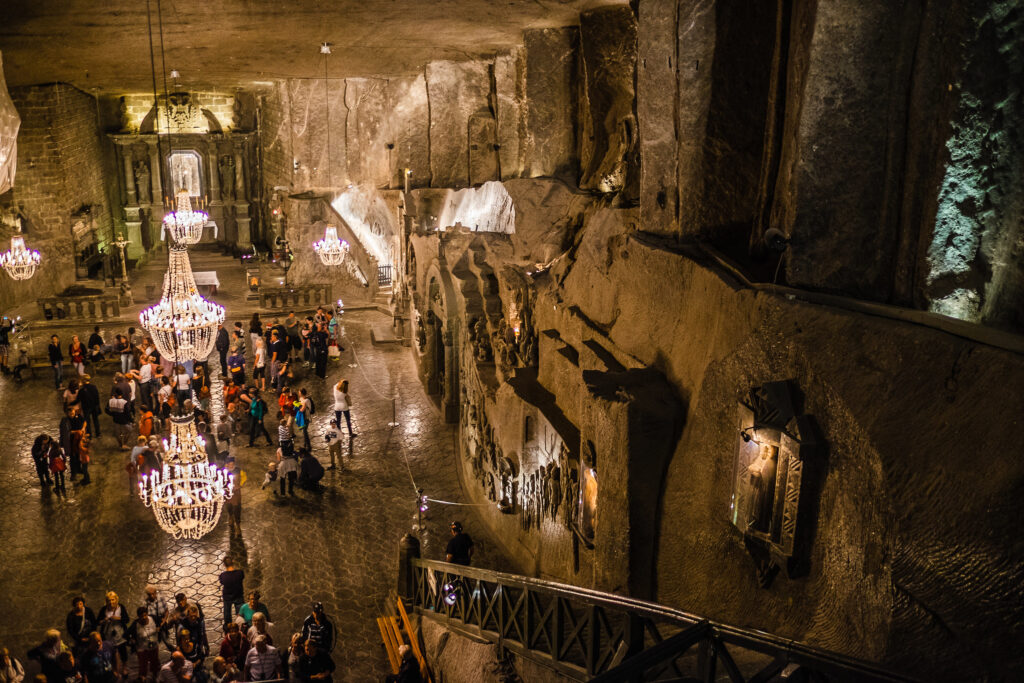
Religious devotion and miners’ desire to humanize harsh conditions led to construction of chapels underground. Workers carved altars, reliefs, and statues directly from salt blocks, illuminated by oil lamps, then chandeliers. Over time, visiting dignitaries and tourists commissioned additional sculptures and decorative elements. By 19th century, Wieliczka had become both industrial site and tourist attraction, with famous visitors including Nicholas Copernicus, Johann Wolfgang von Goethe, and Pope John Paul II (earlier as Archbishop of Kraków).
20th Century Modernization and End of Mining
In the early 20th century, mechanical drilling, explosives, and electrical equipment modernized extraction while preserving older areas as historical zones. However, flood risks, rising costs, and competition from cheaper salt sources gradually undermined economic viability. Large‑scale industrial extraction ceased in the 1990s, though small quantities still come from brine processing rather than deep mining. Maintenance operations now focus on stabilizing old chambers and controlling groundwater to protect the heritage site.
Tourism gradually became Wieliczka’s main function. Guided tours expanded, safety systems improved, and new routes such as the Miners’ Route and pilgrimage paths developed. Because salt preserves wood and metal exceptionally well, many centuries‑old machines and tools remain intact, providing unique evidence of historical mining techniques.
UNESCO World Heritage Status
Wieliczka entered the inaugural UNESCO World Heritage List in 1978, among the first 12 sites worldwide to receive this status. The inscription recognized the mine as “an outstanding example of the development of mining techniques in Europe from the 13th to 20th centuries” and praised its unique combination of industrial archaeology, underground architecture, and intangible miners’ culture. UNESCO later extended the listing to include Bochnia Mine and the Saltworks Castle, forming a unified “Royal Salt Mines” ensemble.
What to See in Wieliczka Salt Mine Poland
Tourist Route – Classic Underground Experience
The Tourist Route is Wieliczka’s most popular option, covering about 3.5 kilometers of corridors and chambers between 64 and 135 meters depth. Visitors descend 378 wooden steps to the first level, then walk through 20+ chambers including chapels, lakes, and historic mining scenes before returning to surface by elevator. Official tour duration is 2–3 hours depending on group pace and language. Guides lead all groups—independent exploration is not allowed for safety reasons.
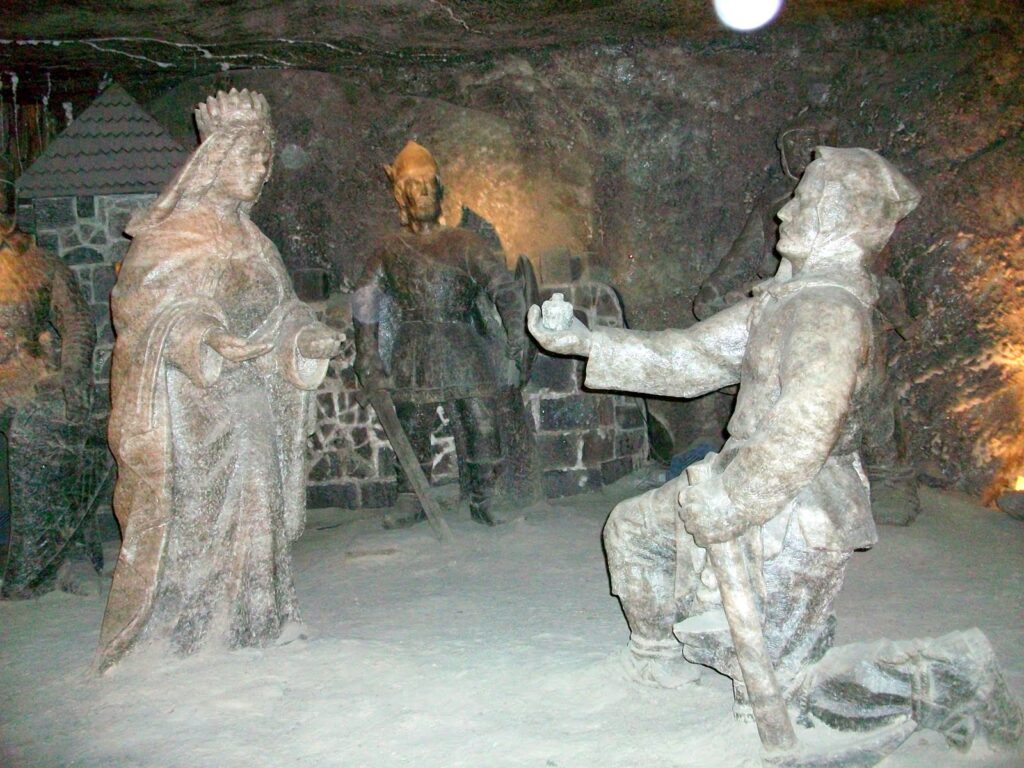
Highlights: Janowice Chamber with salt sculptures telling local legends, Copernicus Chamber honoring the famous astronomer, underground lake with sound‑and‑light show, and the monumental Chapel of St. Kinga. Who it suits: First‑time visitors, families, and anyone wanting iconic Wieliczka experience. Language options: Daily tours in Polish and English; selected times for German, French, Spanish, Italian and other languages. Insider tip: Reserve a morning tour (08:00–09:30 entry) or late afternoon slot to avoid peak midday crowds when most bus groups arrive.
⭐ Chapel of St. Kinga – Underground Cathedral
The Chapel of St. Kinga, located 101 meters underground, is Wieliczka’s most famous chamber and centerpiece of the Tourist Route. Measuring 54 meters long, 17 meters wide and 12 meters high, it resembles a full‑scale underground cathedral carved almost entirely from salt. The floor appears like polished stone but is actually smooth rock salt. Salt chandeliers hang from the ceiling, their crystals crafted from pure salt with special treatments to appear transparent.
Walls display detailed bas‑reliefs depicting biblical scenes such as the Last Supper and Flight into Egypt. A salt statue of St. Kinga—patron saint of miners and salt workers—stands behind the main altar. Regular religious services and weddings sometimes take place here, using a concealed organ and professional lighting systems. For many visitors, this chamber alone justifies the entire trip to Wieliczka.
Photography: Allowed without flash; tripods restricted unless special permission obtained. Best timing: Early morning and late‑evening tours allow more time and space for photography; midday tours move more quickly due to crowd pressure. Insider tip: Stand on the balcony at entrance for wide-angle shots showing entire chapel; then move down to floor level for close‑ups of carvings and chandeliers.
Underground Lakes and Salt Carvings
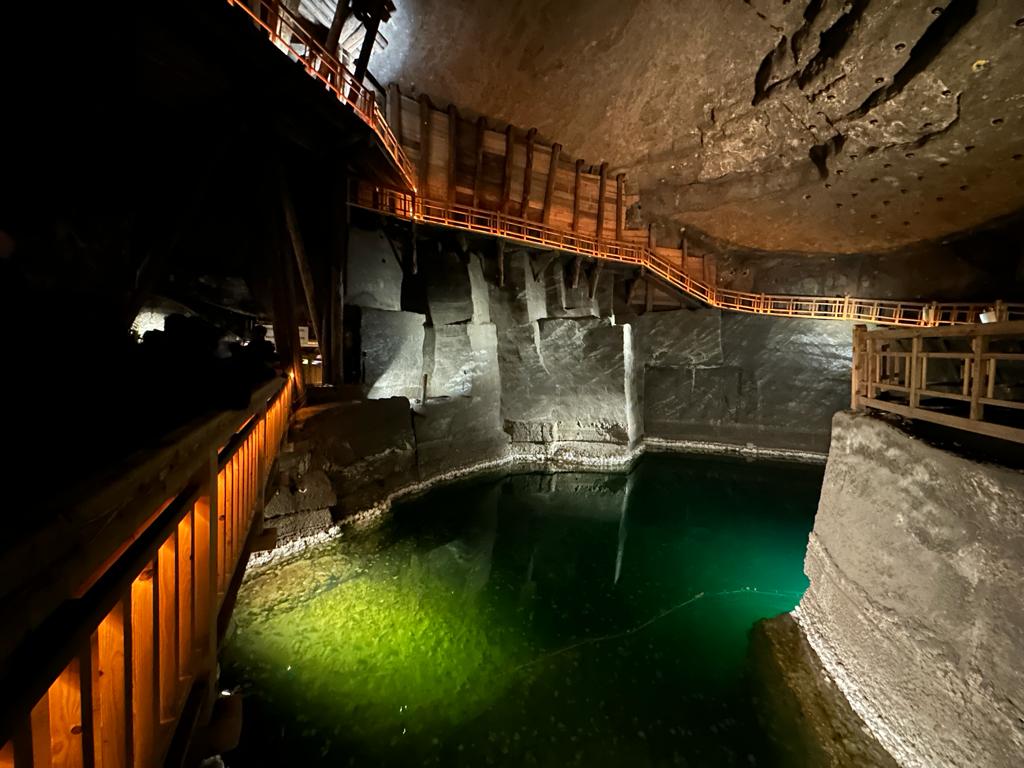
Beyond chapels, the route passes several underground saline lakes with still, greenish water reflecting illuminated salt ceilings. The brine’s high density prevents swimming; historically, lakes served drainage and ventilation functions. Carefully controlled lighting creates atmospheric scenes without encouraging algae growth. In some chambers, sound‑and‑light shows play classical music accompanied by reflections on the water surface.
Throughout the route, salt sculptures appear in niches and chambers: dwarfs representing miners, historical figures, legendary characters, and religious motifs. Some works date to 19th century miners; others result from more recent art projects. All use rock salt as primary material, sometimes combined with wood or metal for structural support.
Miners’ Route – Adventure and Hands‑On Work
The Miners’ Route offers more adventurous visitors a chance to “work” as miners on less touristy sections of the mine. Groups descend separately from Tourist Route entrance, don overalls and helmets with headlamps, and receive assignments such as measuring methane levels, navigating with mine maps, and transporting tools. Guides play role of shift supervisors, mixing humor with safety instructions and historical stories.
Who it suits: Return visitors, adventure travelers, older children and teens; not recommended for small children or those with claustrophobia. Duration: About 3 hours; involves more physical exertion than Tourist Route. Insider tip: Miners’ Route sees far fewer visitors, offering quieter, more immersive experience; combine both routes across two days for full Wieliczka understanding.
Cracow Saltworks Museum – Underground and Surface Exhibitions
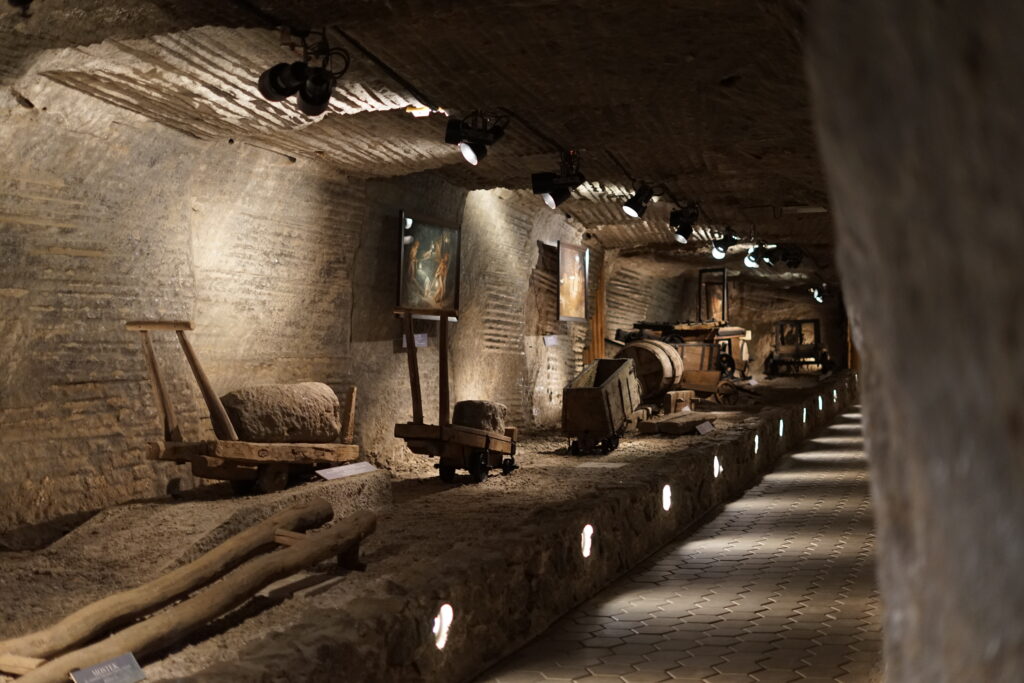
The Cracow Saltworks Museum operates both underground exhibits (entered via Tourist Route) and surface exhibitions in Saltworks Castle above ground. Underground galleries display mining machinery, surveying instruments, lamps, and artworks collected over centuries. Surface castle museum showcases one of world’s largest collections of salt cellars, historical documents, and administrative rooms from royal salt monopoly.
Tickets: Combined tickets or separate museum entry available; some elements included in Tourist Route price depending on season. Time needed: 60–90 minutes for castle exhibits, best scheduled before or after underground tour. Insider tip: Castle museum tends to be quiet even when mine is crowded; ideal for cooling down mentally after intense underground impressions.
How to Reach Wieliczka Salt Mine Poland
Location and Access from Kraków
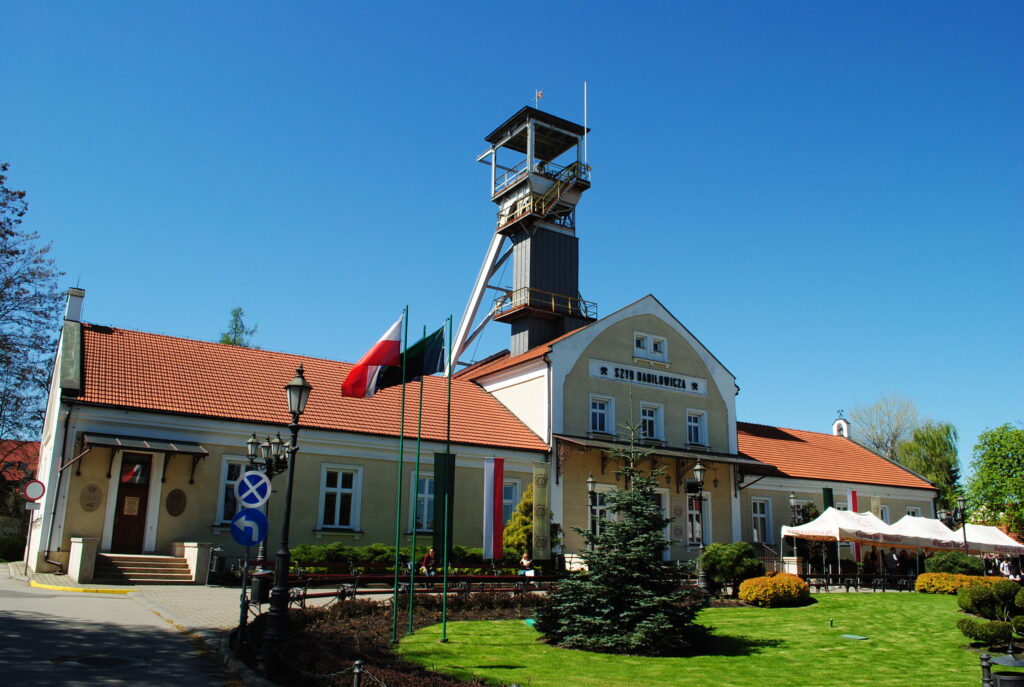
Wieliczka lies about 13 kilometers southeast of Kraków city center in Lesser Poland Voivodeship. The main Tourist Route entrance is at Daniłowicza Shaft on Daniłowicza Street, a short walk from Wieliczka Rynek‑Kopalnia train station and local bus stops. Travel from central Kraków typically takes 20–40 minutes depending on transport mode.
By Train from Kraków
Regional trains operated by Koleje Małopolskie run from Kraków Główny or Kraków Grzegórzki stations to Wieliczka Rynek‑Kopalnia roughly every hour. Travel time is about 20–25 minutes; tickets cost the equivalent of 2–3 EUR one way. The station lies 5–7 minutes’ walk from mine entrance following clearly marked “Kopalnia Soli” signs.
Advantages: Predictable timetable, minimal traffic delays, comfortable seating. Disadvantages: Slightly longer walk from station versus bus stop. Insider tip: Choose train when staying near Kraków Główny or Grzegórzki; buy return tickets in advance to avoid queues during evening rush.
By Bus from Kraków
City bus line 304 runs from central Kraków (e.g., Dworzec Główny Zachód or near Galeria Krakowska) to Wieliczka Mediateka stop every 20–30 minutes. Journey takes about 35–45 minutes depending on traffic. From Mediateka, walk 10–15 minutes uphill following signs to Daniłowicza Shaft.
Advantages: Slightly cheaper than train; more frequent departures. Disadvantages: Subject to traffic congestion; longer walk at Wieliczka end. Insider tip: Validate tickets immediately after boarding; inspectors visit tourist routes regularly. For groups, consider day tickets covering both mine trip and city sightseeing.
Organized Tours from Kraków
Numerous agencies offer Wieliczka Salt Mine tours with hotel pickup, transport, guide service, and pre‑booked tickets. Prices typically range from 180–280 PLN per person depending on group size and inclusions. Tours often last 4–5 hours including transfers and underground visit.
Advantages: Door‑to‑door convenience, guaranteed entry time, English‑speaking escort handling logistics. Disadvantages: Higher cost versus independent visit; less flexibility about timing or route. Best for: Short stays, first‑time visitors, or those uncomfortable with public transport and online booking.
By Car
Driving from Kraków takes 20–30 minutes via national road 94 or A4 motorway (toll section). Free and paid parking lots surround mine; busiest times 10:00–14:00 often require patience finding spot. Private car allows combining Wieliczka with Bochnia, Ojców National Park, or countryside attractions in one day.
Best Time to Visit Wieliczka Salt Mine Poland
Peak Season (June–August and Major Holidays)
Surface weather: 22–28°C, frequent sunshine and thunderstorms. Underground conditions remain constant 17°C with moderate humidity. Visitor numbers peak during summer and major holiday periods (Easter, long weekends, Christmas break). Standard wait times for on‑site ticket purchase can reach 30–60 minutes; popular language tours sell out days ahead.
Advantages: Long opening hours (often 08:00–18:00 for Tourist Route), most languages available, full service operations. Disadvantages: Large groups (up to 40 people), crowded corridors, limited photo opportunities, higher prices and demand for Kraków hotels. Timing tip: Book first morning entry or late afternoon (after 16:00) to avoid heaviest crowds between 10:00 and 14:00.
Shoulder Season (April–May, September–October)
Surface temperatures: 10–22°C; mix of sunny and rainy days. Visitor numbers drop significantly compared to summer, especially midweek. English tours still operate daily though some languages reduced. Opening hours slightly shorter but sufficient for flexible planning.
Advantages: Smaller groups (20–30 people typical), shorter queues, easier last‑minute booking. Additionally, Kraków weather comfortable for combining mine visit with city exploration. Disadvantages: Slightly fewer tour slots and language options; need to check exact schedule close to travel date. Best overall window: May and September offer ideal balance of crowd levels, weather, and operating hours.
Off‑Season (November–March)
Surface temperatures: –5 to 8°C; snow and freezing rain possible. Underground 17°C feels pleasantly mild compared to outside. Visitor numbers fall dramatically midweek; weekends and holiday periods retain steady flow. English tours operate daily but at fewer times; some minor attractions may close or run reduced hours.
Advantages: Small group sizes (sometimes under 20 people), calm atmosphere in chapel, easier interaction with guides, lower accommodation prices in Kraków. Disadvantages: Shorter daylight for combining mine with other outings, occasional weather‑related transport delays, fewer public transport departures in evenings. Best for: Travelers prioritizing experience quality over weather, photographers wanting space, and budget‑conscious visitors.
Best Restaurants & Food Options Near Wieliczka Salt Mine
At or Next to the Mine
Karczma Halit (Halit Tavern) stands next to Daniłowicza Shaft entrance, offering traditional Polish dishes tailored to mine visitors. Menu includes żurek in bread bowl, pierogi, grilled meats, and salads; main courses typically 35–70 PLN. Interior decor references mining heritage with wooden beams and tools on walls. It is convenient for quick meal before or after tours.
Cafés and snack points within the mine provide drinks, simple food, and sweets during longer tours. On Tourist Route, a mid‑tour break area offers coffee, tea, soft drinks, and pastries at moderate prices. Underground restaurant areas also host group meals for organized tours.
In Wieliczka Town
Wieliczka’s small center around Rynek (market square) holds several restaurants and cafés. Typical menus feature Polish and Italian cuisine—pizzas, pastas, pierogi, and grilled meats—priced 30–70 PLN per main dish. These venues tend to be less crowded than eateries immediately beside mine entrance and offer slightly more local atmosphere.
Kraków – Evening Dining Base
Most visitors base in Kraków and return there for dinner, leveraging the city’s extensive restaurant scene. Options range from budget milk bars (20–35 PLN meals) through mid‑range Polish bistros (40–80 PLN mains) to fine dining. Booking popular places on weekend evenings is recommended. For efficient day, combine morning Wieliczka visit with afternoon Kraków sightseeing and evening meal in Old Town or Kazimierz.
Accommodation for Visiting Wieliczka Salt Mine Poland
Staying in Wieliczka
Wieliczka itself offers several small hotels and guesthouses, useful for travelers wanting quiet evenings or very early/late mine visits. Prices range roughly 200–400 PLN per night for double rooms with breakfast. Properties sit within 5–15 minutes’ walk from Daniłowicza Shaft, making logistics straightforward.
Basing in Kraków
For most international visitors, Kraków remains the best base due to rich cultural offerings and transport connections. The city’s accommodation spans hostels (60–120 PLN per bed), mid‑range hotels (250–500 PLN per room), and upscale properties (500–1,200 PLN+). Travel to Wieliczka by train, bus, or tour takes under 45 minutes each way, easily integrated into 3–5 day Kraków itineraries.
Strategy: If your stay in region exceeds 3 days, dedicate one half‑day to Wieliczka while keeping Kraków as base. Choose lodging near Kraków Główny station or Old Town for easiest access to both trains and tour pickups.
What to See Nearby Wieliczka Salt Mine Poland
Bochnia Salt Mine (40 km east)
Bochnia, Wieliczka’s “younger sister,” offers more intimate, adventure‑oriented salt mine experience with slides and underground lake boat ride. While smaller in fame, it appeals to travelers seeking fewer crowds and more raw mining atmosphere. Combined visits to Wieliczka and Bochnia provide comprehensive understanding of Poland’s Royal Salt Mines.
Kraków Old Town and Wawel Castle
UNESCO‑listed Kraków Old Town lies just 13 kilometers away, featuring Europe’s largest medieval market square, St. Mary’s Basilica, and Wawel Royal Castle. Many visitors pair morning Wieliczka tour with afternoon/evening exploring Kraków’s historic center, Jewish Quarter of Kazimierz, or riverside boulevards.
Ojców National Park and Kraków‑Częstochowa Upland
About 30–40 kilometers northwest, Ojców National Park offers limestone cliffs, caves, and castles ideal for nature‑oriented day trips. Travelers combining Wieliczka with Ojców and Kraków see full cross‑section of southern Poland: underground, urban, and natural landscapes.
Practical Tips for Visiting Wieliczka Salt Mine Poland
Planning and Ticketing
Reserve tickets in advance via official website, especially for summer, weekends, and specific language tours. Choose clear time slot considering 30–45 minutes travel from Kraków and potential queues for ticket pickup or security. Arrive at least 20–30 minutes before scheduled start—late arrivals may forfeit spots. For peak season, consider skip‑the‑line tours to avoid long waits.
What to Wear and Bring
- Clothing: Wear layered outfit suitable for 17°C underground; light sweater or fleece recommended even in summer. Avoid heavy coats that become uncomfortable during walking.
- Footwear: Closed, comfortable shoes with good grip; you will walk 3+ kilometers on sometimes uneven, damp surfaces and climb many stairs.
- Bag: Small backpack or cross‑body bag; large luggage not allowed. Lockers available at entrance for oversized items.
- Photography gear: Camera or phone with good low‑light performance; avoid flash where restricted. Bring spare battery—underground conditions drain power faster.
- Water and snacks: One small bottle of water allowed; food generally discouraged during tour but available at mid‑route cafeteria stop.
Health, Safety, and Accessibility
Health: The mine maintains stable climate beneficial for some respiratory conditions. However, those with severe claustrophobia, serious heart or lung disease, or mobility limitations should consult doctor and mine guidelines before visiting. Tours involve 800 stairs and long walking distances.
Accessibility: Standard Tourist Route is not fully wheelchair accessible due to stairs and uneven surfaces. Limited accessible options exist for pre‑arranged groups using lift access and shortened route; contact mine directly well in advance. Families with small children should be prepared to carry toddlers on stairs; strollers are not practical underground.
Safety: Wieliczka operates strict safety protocols with trained guides, emergency lighting, and constant monitoring. Follow guide instructions, stay with group, and avoid touching exhibits unnecessarily. In case of discomfort, inform guide immediately—designated exits and rest points exist along route.
Time Management Tips
Plan at least 4–5 hours door‑to‑door from Kraków: 30–45 minutes each way travel, 2–3 hour tour, plus time for ticketing and short breaks. Morning visits leave afternoon free for Kraków sightseeing; late‑afternoon visits allow relaxed city mornings. Avoid scheduling intense evening events immediately after tour—800 stairs and cool climate may leave you pleasantly but noticeably tired.