
Introduction
Zalipie Poland is a tiny countryside village where houses, barns, wells, fences and even dog kennels are covered in vivid hand‑painted flowers. Often called “the most colorful village in Poland,” Zalipie has become a living open‑air gallery of unique folk art created almost entirely by local women over several generations. Moreover, Zalipie Poland lies about 80 kilometers east of Kraków, making it a rewarding off‑the‑beaten‑path day trip for travelers seeking authentic rural culture rather than crowded mainstream attractions.
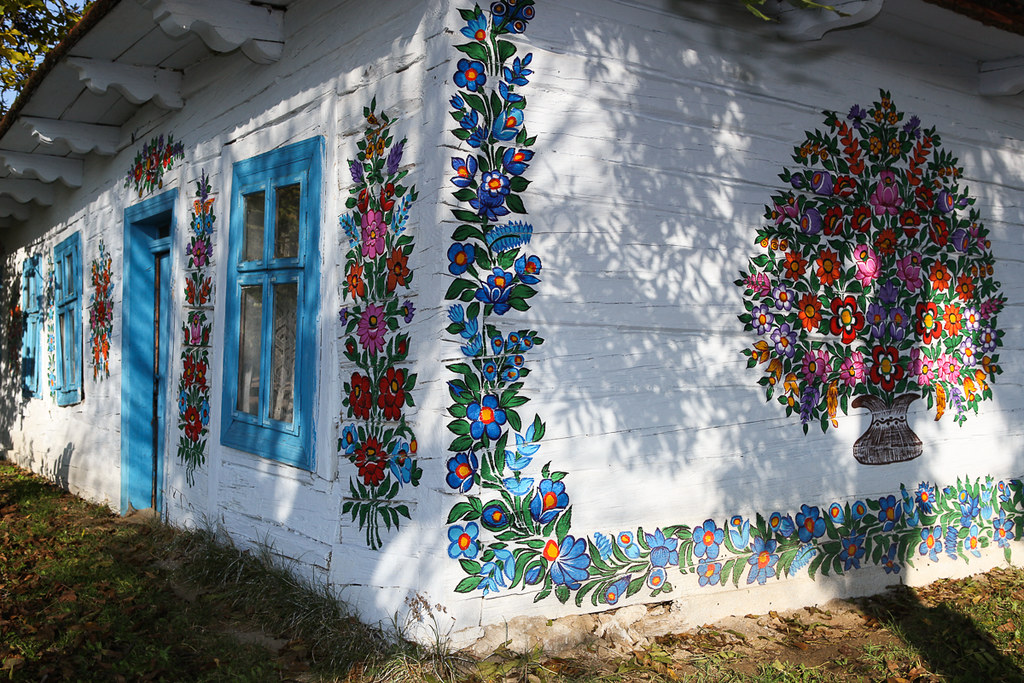
Zalipie Poland appeals to photography lovers hunting for bright, Instagram‑ready scenes, as well as to slow‑travelers interested in traditional crafts and everyday village life. Additionally, folk art enthusiasts can study how simple floral motifs evolved into complex compositions covering entire façades, interiors, and household objects. Furthermore, the village hosts annual “Painted Cottage” competition encouraging residents to refresh and expand their decorations each year. As a result, Zalipie remains a dynamic, constantly evolving folk art environment instead of frozen museum piece.
This guide explains how the painting tradition began as a practical way to hide soot, where to find the most richly decorated cottages, and how to design a half‑day or full‑day visit from Kraków or Tarnów. Additionally, you will learn how to visit the homestead of legendary painter Felicja Curyłowa, join workshops at the House of Painters, and respectfully meet local artists. Furthermore, practical sections cover transport options, best seasons for photography, eating and accommodation ideas, plus insider tips for experiencing Zalipie beyond quick selfie stops.
History of Zalipie Poland: From Soot to Flower Art
Practical Origins – Covering Smoke Stains
Zalipie’s painted‑house tradition dates back to the late 19th century when wooden cottages relied on open stoves without chimneys. Smoke from daily cooking blackened interior walls and ceilings, especially around stove corners and roof beams. Before major religious holidays, particularly Easter and Corpus Christi, housewives whitewashed interiors with lime to freshen the home. To disguise persistent stains and irregular patches, they began adding simple white ornamentation over dark spots.
At first, designs were modest dots, rings, and simple plant shapes painted using primitive brushes made from split birch twigs or chicken feathers. Over time, women experimented with colored pigments derived from natural materials and later from shop‑bought paints. Floral motifs inspired by garden flowers and field plants gradually replaced simple spots, spreading from stove surrounds to entire walls, ceilings, and eventually house exteriors. What began as practical solution slowly transformed into distinctive local art form.
Evolution into Unique Folk Art
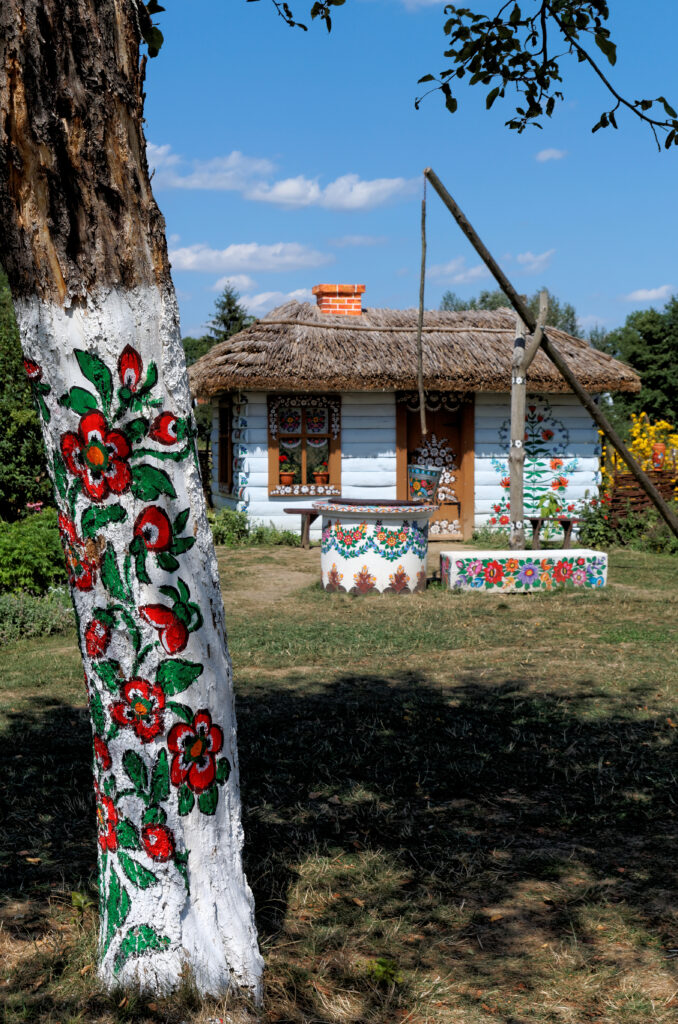
By early 20th century, Zalipie’s women painters developed recognizable style based on symmetrical bouquets, climbing vines, and compositional “bouquets” surrounding windows and doors. Mothers taught daughters, who then added personal twists, creating strong intergenerational continuity. As chimneys and modern stoves appeared, smoke problem disappeared—but tradition of repainting for holidays remained. With no soot to hide, surfaces became blank canvases for increasingly elaborate decoration.
In 1930s, ethnographers and artists from Kraków discovered Zalipie and began promoting its folk art at exhibitions and festivals. Selected village girls were invited to demonstrate painting techniques in cities, while wealthy patrons commissioned interior decorations in urban homes. After World War II, regional museums and cultural institutions recognized Zalipie as jewel of Małopolska folk culture, providing paints and support to preserve practice. In 1948, the first “Painted Cottage Competition” (Malowana Chata) took place, formalizing friendly rivalry that continues annually today.
Felicja Curyłowa – Icon of Zalipie Painting
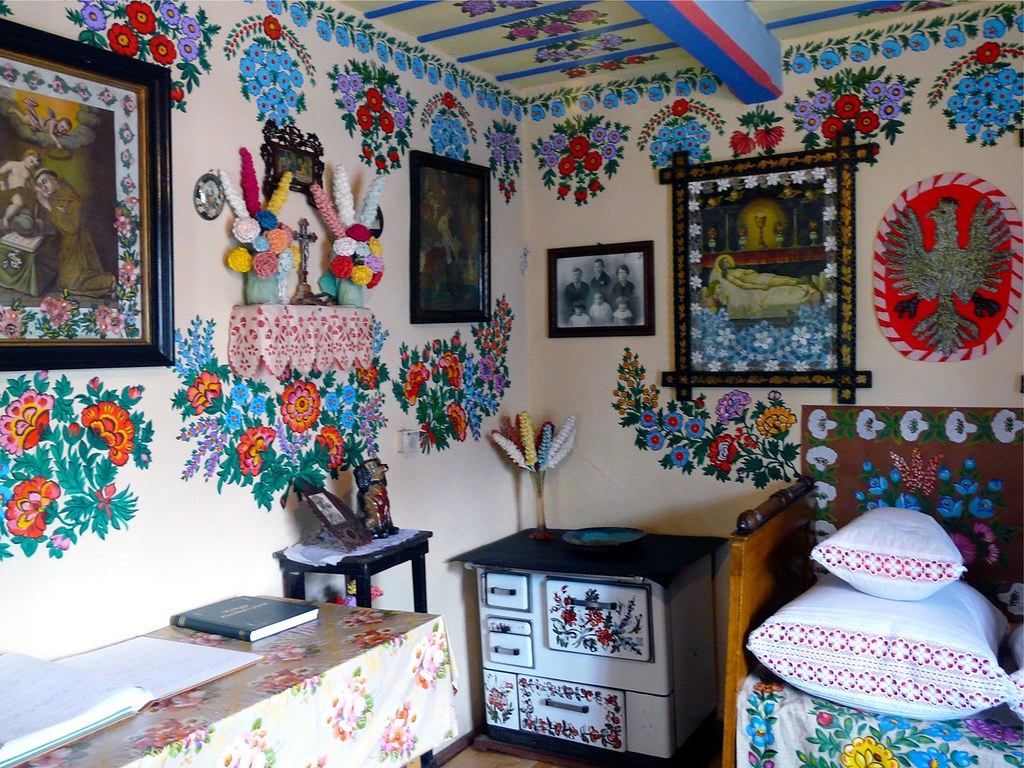
Felicja Curyłowa (1903–1974), self‑taught folk artist from Zalipie, played central role in popularizing the village’s painted style. She covered every surface of her farmhouse—inside and out—with dense floral compositions: walls, ceilings, stove, furniture, dishes, even the doghouse. Her home became model of fully painted environment, attracting researchers and visitors from across Poland and abroad.
After her death, Curyłowa’s homestead was preserved as branch of District Museum in Tarnów. Today, visitors can step inside this time capsule, seeing original furniture, textiles, and countless painted details. The homestead remains key reference point for understanding Zalipie aesthetics and the creativity rural women expressed despite modest material conditions.
Modern Times – Living Tradition, Not Open‑Air Theme Park
Although Zalipie now welcomes international visitors, it remains functioning village rather than staged tourist attraction. Many houses still belong to farming families who balance daily chores with maintaining paintings. New buildings, garages, and community structures often gain floral motifs, while older works are refreshed or replaced. Annual competition after Corpus Christi feast motivates residents to repaint; winning cottages gain regional fame.
At the same time, art workshops, guided walks, and small guesthouses have appeared, providing income that helps sustain tradition. However, painting continues primarily as form of self‑expression and local pride rather than purely commercial activity. Respectful visitors will find that genuine interactions with residents and watching artists at work become as memorable as photographing finished murals.
What to See in Zalipie Poland: Painted Highlights
Homestead of Felicja Curyłowa (Museum Farm)
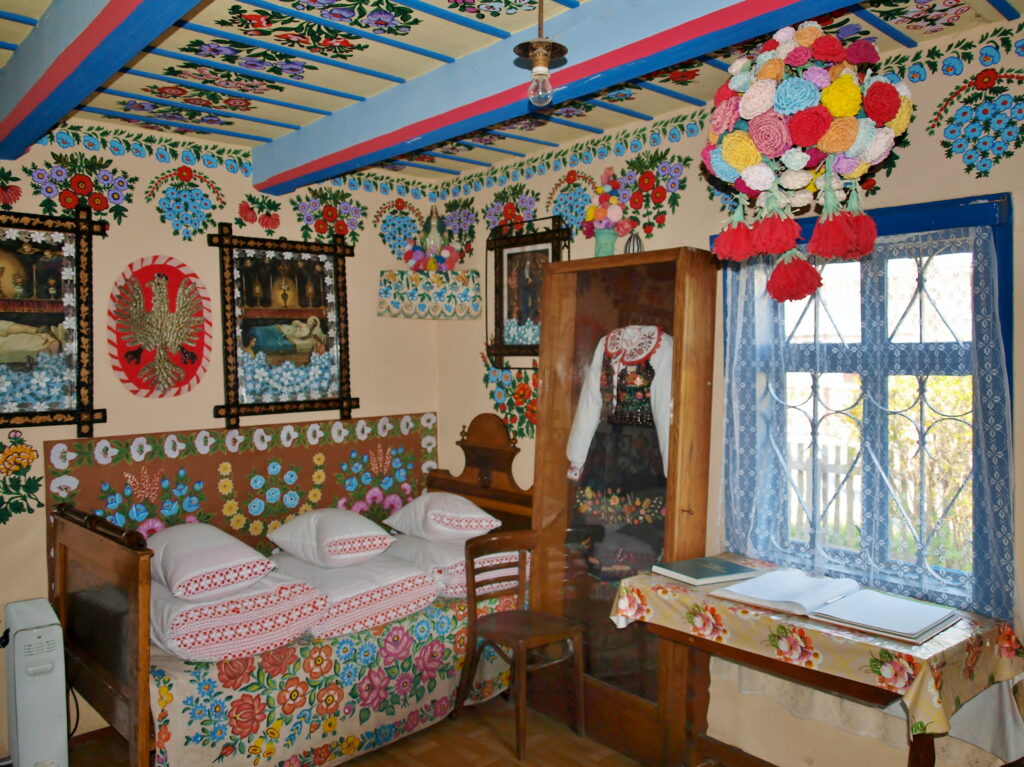
The homestead of Felicja Curyłowa is Zalipie’s main museum and best starting point for orientation. This compact farmstead consists of painted farmhouse, outbuildings, well, and garden, all adorned with dense floral motifs. Interior rooms—including kitchen, bedroom, and pantry—show how patterns cover ceilings, beams, stoves, furniture, and tableware. Display boards explain history of painting tradition and Curyłowa’s role in spreading it.
Location: Address Zalipie 135, signposted from village center. Opening hours: Typically Tuesday–Sunday, with slightly shorter Sunday hours; closed some Mondays and winter holidays—always check latest schedule via Tarnów District Museum website. Tickets: Symbolic fee; reduced for children, students, seniors. Time needed: 45–60 minutes for house and garden. Insider tip: Ask staff for free or low‑cost village map marking most painted cottages and community buildings; it makes self‑guided walk much easier.
House of Painters (Dom Malarek)
The House of Painters serves as cultural center, gallery, and workshop space for Zalipie artists. Here you can see rotating exhibitions of paintings on canvas, wooden boards, ceramics, and textiles. Craftswomen often demonstrate techniques, enabling visitors to observe brushwork up close. It’s also best place to purchase authentic souvenirs directly supporting local community.
Activities: Short painting workshops where participants decorate small boards, eggs, or clay items with traditional floral motifs. Duration: Typically 60–90 minutes; ideal for families and creative travelers. Booking: Groups should reserve in advance via phone or email; individual visitors may sometimes join existing sessions. Insider tip: If you plan to photograph villagers’ houses, buying small artwork or workshop participation is thoughtful way of giving back.
Painted Church of St. Joseph
Zalipie’s parish church of St. Joseph features floral decorations inside and outside, integrating folk motifs into religious architecture. Painted elements include facade details, interior pillars, altars, and liturgical objects. The combination of traditional Catholic iconography with joyful flower patterns illustrates how local art permeates spiritual life.
Access: Generally open during daytime; visitors should dress modestly and maintain quiet, especially if services underway. Photography: Discreet, non‑flash photos typically acceptable outside service times, but always observe posted rules and ask if unsure. Time needed: 15–30 minutes.
Painted Cottages, Barns, Wells and Everyday Objects
The true charm of Zalipie lies in wandering village lanes and discovering painted elements in situ. Many cottages display decorative flower compositions around windows, doors, gables and eaves. Wells, beehives, gateways, garden fences, and sheds also bear motifs. Some households welcome visitors into courtyards or even interiors when asked politely and when residents have time.
Navigation: Use museum map or simply stroll slowly—Zalipie spreads out over several kilometers, with clusters of decorated homes rather than one concentrated street. Etiquette: Do not enter private yards without permission; greet residents with friendly “Dzień dobry” and ask if photo is okay (“Czy mogę zrobić zdjęcie?”). Most locals are proud of their art and happy to share, especially if you show genuine interest rather than race through snapping quick pictures.
Painted Community Buildings and Infrastructure
Beyond private houses, look for floral motifs on community center, fire station, bus shelters, small bridges, and utility structures. These decorations show how folk art expanded beyond domestic sphere into shared public spaces. Even rubbish bins, chicken coops, and dog kennels sometimes receive cheerful patterns, illustrating playfulness of Zalipie’s visual culture.
How to Reach Zalipie Poland
Location and Basic Orientation
Zalipie lies in rural Małopolska region, roughly 80–90 kilometers east of Kraków and about 35 kilometers north of Tarnów. Administratively, it belongs to Dąbrowa Tarnowska county, nestled among flat fields and small forests near the Vistula River. Public transport is limited; most visitors arrive by car or organized tour.
From Kraków by Car
Driving from Kraków to Zalipie typically takes 1.5–2 hours depending on traffic and chosen route. Common route leads via A4 motorway to Brzesko, then north through smaller local roads toward Dąbrowa Tarnowska and Zalipie. Total distance is around 80–90 kilometers. Roads are generally in good condition, though the final kilometers involve narrow rural lanes where you may need to slow for tractors or cyclists.
Parking: Free parking areas exist near Felicja Curyłowa Homestead and community buildings. During big events like Painted Cottage Competition, temporary parking guidance is provided by organizers. Driving tip: Fill up and withdraw cash in larger towns (Tarnów, Dąbrowa Tarnowska, Brzesko) since Zalipie itself has limited services.
From Kraków by Public Transport
Reaching Zalipie by public transport from Kraków is possible but requires patience and transfers. Typical route involves bus from Kraków to Brzesko or Dąbrowa Tarnowska, then local bus or minibus toward Zalipie or nearby villages followed by a short taxi ride or walk. Total journey time may exceed 3 hours one way, with limited departures—especially on weekends and holidays.
Suitability: Recommended only for determined budget travelers or those combining Zalipie with overnight stay in Tarnów region. Practical alternative: Take train or bus from Kraków to Tarnów (about 60–90 minutes), stay there and join local tour or hire taxi for half‑day excursion to Zalipie (roughly 35 kilometers each way).
From Tarnów – Easiest Base
Tarnów, medium‑sized city with good rail connections, lies about 35 kilometers south of Zalipie and makes the most convenient base for visits. Travel options from Tarnów include regional buses, occasional minibus lines, or pre‑arranged taxis. Some museums and local agencies organize themed trips to Zalipie, especially around Painted Cottage Competition in June.
Taxi cost: A return trip Tarnów–Zalipie with waiting time usually costs significantly less than private tour from Kraków and saves hours in transit. Sharing taxi between several travelers keeps price reasonable and provides door‑to‑door convenience.
Best Time to Visit Zalipie Poland
Spring and Summer (April–September)
From late April to September, gardens bloom and fresh paints shine brightest under natural light, making this period ideal for photography. June stands out because of the annual Painted Cottage Competition held shortly after Corpus Christi, when many residents refresh decorations. Weather typically ranges 15–28°C with occasional showers and thunderstorms.
Advantages: Long daylight hours, open museums and workshops, more frequent buses in region, increased chance of meeting artists painting outdoors. Disadvantages: Hottest days can feel intense in treeless stretches; occasional tour groups and photographers may crowd small spaces during competition weekend.
Autumn (October–November)
Autumn brings softer light and colorful foliage framing painted houses, creating atmospheric compositions. Days shorten and temperatures cool to 5–15°C; some flowers fade but murals remain vivid. Tourist numbers drop sharply, offering quieter, more contemplative experience.
Advantages: Few visitors, easier conversations with locals, potential for moody photos with misty mornings. Disadvantages: Shorter opening hours, occasional rainy or foggy days, fewer public transport options on rural routes.
Winter and Early Spring (December–March)
In winter, snow can create magical contrast with floral designs, though travel conditions become more challenging and some attractions operate limited hours. Many workshops pause or reduce frequency. However, Christmas decorations and winter holidays add extra charm to church and community life.
Advantages: Unique snowy perspectives for photographers, virtually no crowds. Disadvantages: Cold temperatures, potential ice on rural roads, limited services and bus schedules. Visitors must check museum and House of Painters hours carefully before setting out.
Experiencing Zalipie Folk Art
Understanding the Motifs
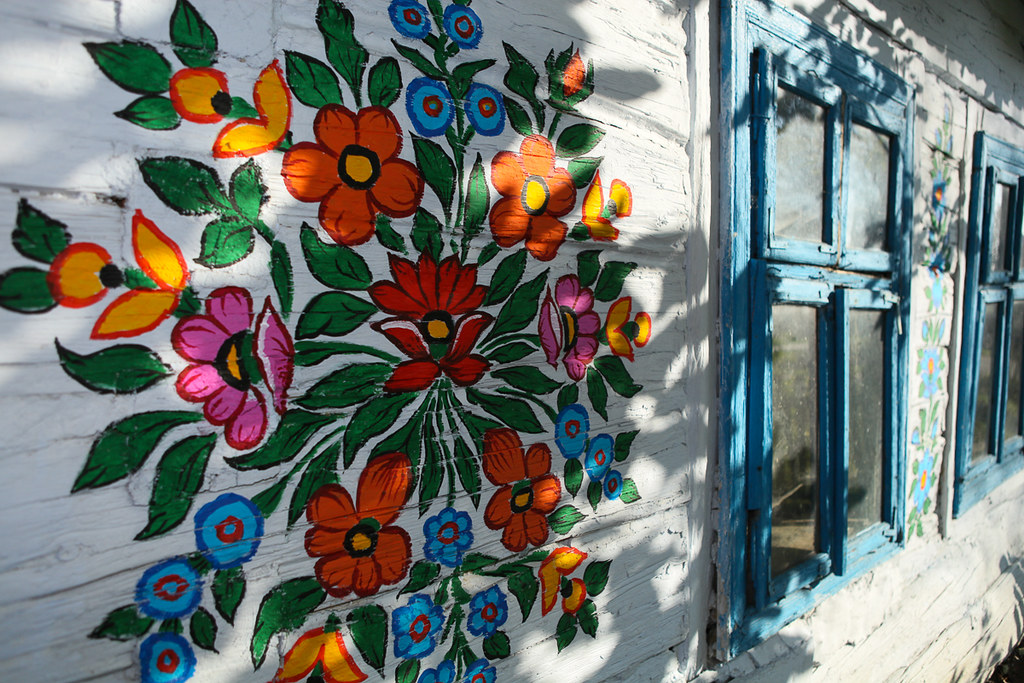
Zalipie’s floral motifs typically feature stylized roses, peonies, daisies, forget‑me‑nots, and fantasy flowers inspired by local gardens rather than botanical accuracy. Compositions often radiate from central bouquet placed above doorway or stove, with vines and tendrils extending to corners. Color palettes favor warm oranges, reds, and yellows balanced by blues and greens on white background.
Patterns emphasize symmetry around windows and architectural features, yet each painter’s hand remains visible: some prefer dense, almost carpet‑like coverage; others favor airy garlands and wreaths. Over decades, artists have incorporated birds, ribbons, and geometric elements while preserving overall floral character. Learning to recognize repeating motifs enriches appreciation as you move from house to house.
Joining a Painting Workshop
Short workshops at House of Painters or museum farm allow visitors to try Zalipie technique themselves. Sessions usually begin with brief introduction to history and basic flower structures, followed by hands‑on practice using acrylic paints on small wooden boards, clay plates, or papier‑mâché shapes. Instructors demonstrate how to build flowers with layered brush strokes rather than detailed outlines.
Who enjoys it: Families with children, art students, and creative travelers. What you keep: Your decorated object becomes personal souvenir representing direct connection with local tradition. Booking tip: Contact organizers at least few days in advance, especially outside summer weekends, to confirm availability and language options.
Respectful Photography and Interaction
Because Zalipie is living village, respectful behavior matters. Always avoid pointing cameras directly into windows or photographing people without consent. When you wish to photograph specific house or yard, smile and greet residents; simple Polish phrases go long way. If someone invites you closer or offers look inside, treat it as privilege rather than entitlement and consider small gesture of thanks—purchasing craft, leaving positive comment in guestbook, or sending printed photo later.
Remember that many artists are older women who may not speak English but appreciate interest. Tone of voice, patience, and visible admiration for their work often bridge language barriers more effectively than perfect grammar.
Food and Accommodation Near Zalipie Poland
Eating Options
Zalipie itself has limited dining infrastructure: small local shops, occasional seasonal stands during festivals, and simple snacks sold at museum or House of Painters. For full meals, visitors usually stop in nearby towns such as Dąbrowa Tarnowska, Żabno, or Tarnów either before or after village visit.
Traditional Małopolska dishes to look for include pierogi with various fillings, żurek rye soup, bigos hunter’s stew, and simple home‑style cakes. Rural bars and small restaurants emphasize hearty, affordable meals; English menus may be limited, but pointing to dishes and using translator apps works well.
Accommodation
Most travelers visit Zalipie as day trip from Kraków or Tarnów rather than staying overnight in village. However, some agritourism farms and guesthouses in surrounding countryside occasionally offer rooms; these typically require direct phone contact and basic Polish. Staying in Tarnów provides best balance of comfort, amenities, and proximity—allowing easy morning or afternoon excursion to Zalipie.
Kraków base: Ideal for international visitors wanting robust restaurant scene, nightlife, and multiple day‑trip options. Travel time to Zalipie is longer but manageable if you rent car or book private excursion. Tarnów base: Quieter historic town with attractive Old Town square and lower prices; especially convenient if your trip focuses on eastern Małopolska villages and countryside.
Practical Tips for Visiting Zalipie Poland
Planning Your Route
Allow at least 3–4 hours on site for relaxed visit: 1 hour for Felicja Curyłowa Homestead, 30–60 minutes for House of Painters, and 1–2 hours for slow village walk taking photos and chatting with locals. Add travel time from your base (1.5–2 hours each way from Kraków; about 45 minutes from Tarnów). For workshop participation, extend stay by another 1–1.5 hours.
What to Bring
- Comfortable walking shoes: You’ll walk unpaved lanes and grassy yards; some spots may be muddy after rain.
- Weather‑appropriate clothing: Sunhat and sunscreen in summer—shady spots are limited; warm layers in autumn and winter.
- Cash: Small banknotes useful for museum tickets, workshops, and souvenir purchases—card payments may not always be available.
- Camera or smartphone: Fully charged with plenty of storage; Zalipie is visually dense and you’ll probably shoot more than expected.
- Polish phrase list or translation app: Helpful for basic conversation, especially when arranging access or workshops.
Accessibility and Family Friendliness
Zalipie’s attractions are generally low‑impact but may present challenges for wheelchair users or those with very limited mobility due to uneven paths, steps into cottage interiors, and lack of paved sidewalks. Families with children usually find village highly appealing: colorful houses inspire curiosity, workshops keep kids engaged, and car‑accessible layout allows flexible breaks.
Parents should remind children that murals are not playground; touching paint or climbing on decorated wells can damage delicate artwork. Bringing small snacks and water is wise, as food options within village remain limited.
Events and Annual Painted Cottage Competition
The standout event of Zalipie’s calendar is the annual “Painted Cottage Competition” (Konkurs Malowana Chata) held each June, usually on weekend following Corpus Christi. Judges from ethnographic museums and cultural institutions visit participating households, assessing originality, technical skill, and overall impression. Winners receive recognition and modest prizes; strong community pride surrounds results.
For visitors, competition period offers chance to see freshest paintings and increased cultural programming: folk music performances, craft stalls, food stands, and guided walks. However, it also brings more crowds and limited parking, so early arrival and patient attitude are important. Outside competition, atmosphere is quieter but paintings remain impressive, making any late spring or summer date worthwhile.