Introduction
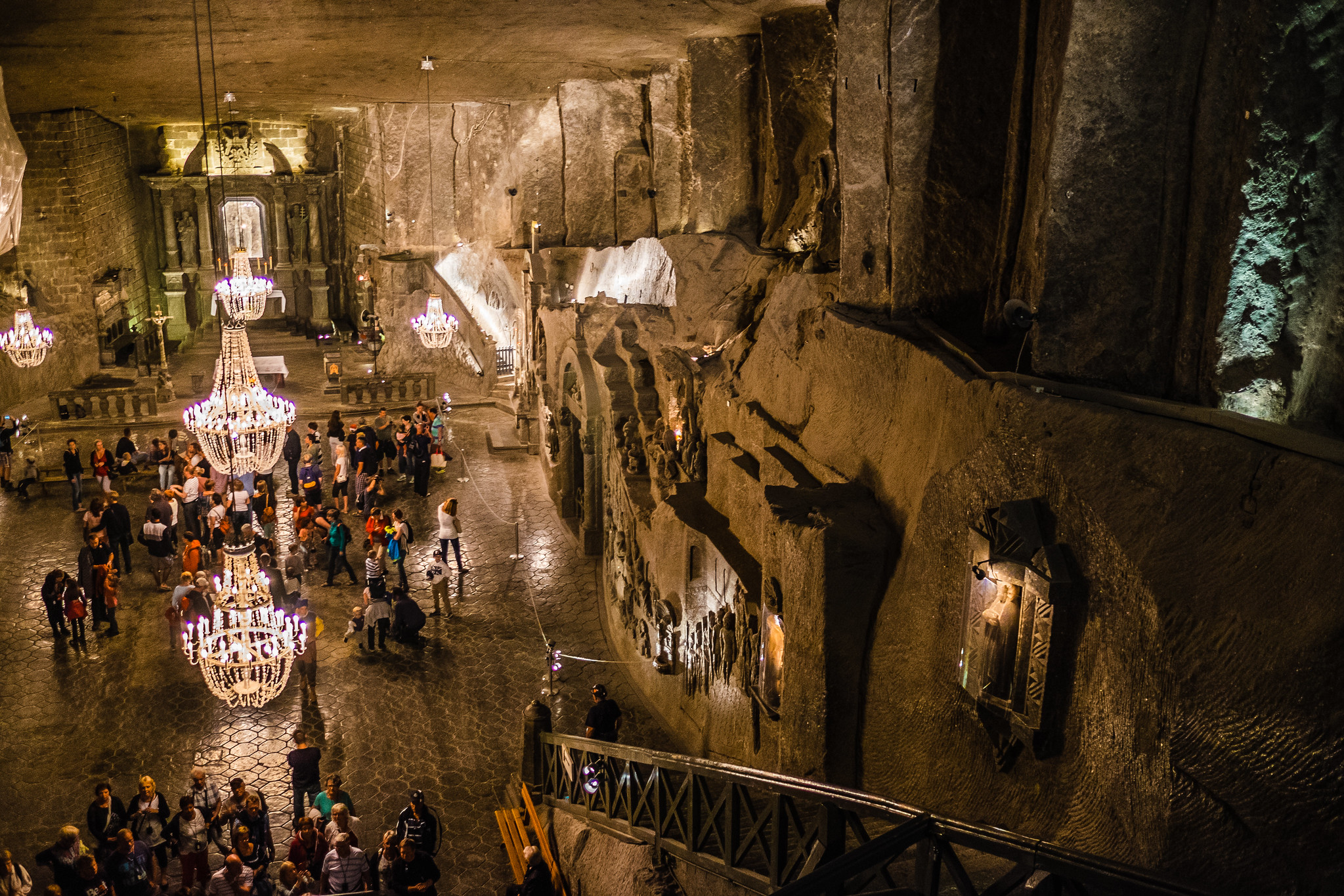
Bochnia Salt Mine Poland stands as Europe’s oldest continuously operating salt mine, founded 1248 and inscribed on UNESCO World Heritage List in 2013 alongside nearby Wieliczka. This underground labyrinth 40 kilometers east of Kraków offers visitors 2.5 kilometers of historic chambers including an extraordinary subterranean chapel carved entirely from rock salt, a mystical underground lake, and thrilling mine slides descending between levels. Moreover, Bochnia Salt Mine Poland attracts 100,000+ annual visitors yet maintains intimate atmosphere compared to overcrowded Wieliczka receiving 1.5 million tourists yearly. The mine reaches 320 meters depth with 5 kilometers of accessible tourist routes showcasing 750+ years of continuous salt extraction ending only in 1990.
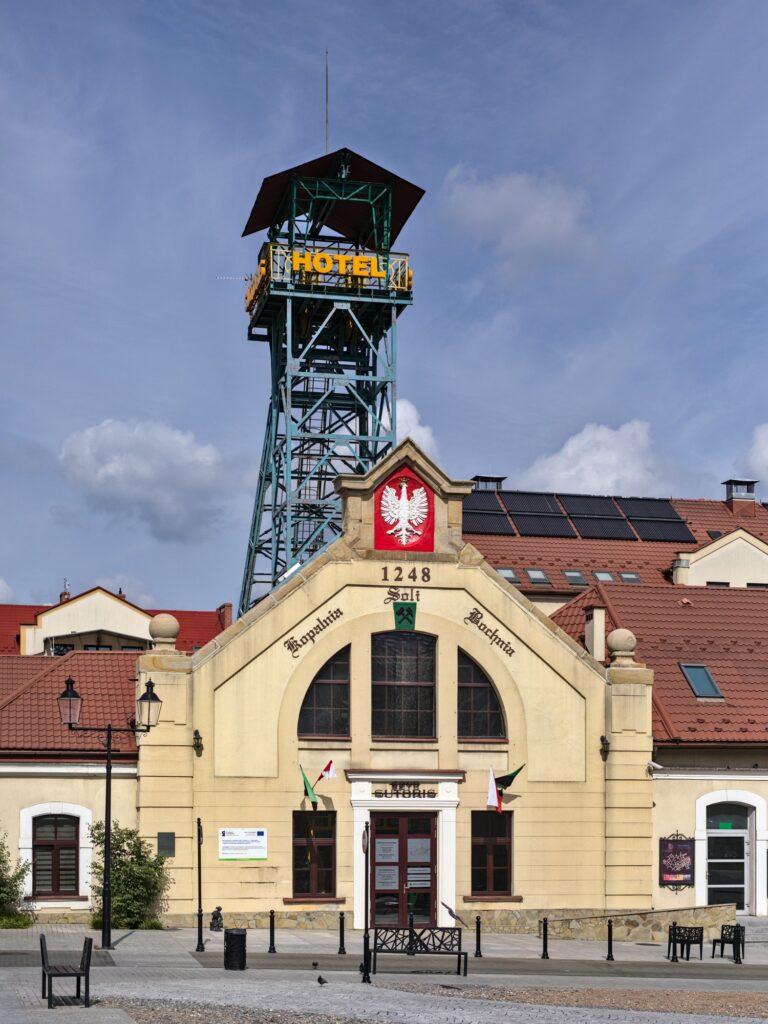
Bochnia Salt Mine Poland appeals to history enthusiasts exploring hand-carved medieval chambers where miners worked by candlelight from the 13th century. Additionally, adventure seekers experience Europe’s deepest underground tourist attraction featuring wooden slides plunging 15 meters between levels and boat rides across subterranean saline lakes. Furthermore, families appreciate well-organized multilingual tours with constant 14-16°C temperatures providing comfortable year-round exploration regardless of surface weather. The mine’s therapeutic microclimate rich in salt aerosols attracts wellness tourists seeking respiratory health benefits through underground stays in the specialized treatment chamber.
This guide reveals secret chambers rarely included in standard tours, optimal booking strategies avoiding summer crowds, and timing advice for the atmospheric underground Mass celebrated monthly in the Chapel of St. Kinga. Additionally, you will learn how medieval miners extracted salt using fire-setting techniques and why Bochnia’s geological formations differ dramatically from Wieliczka despite lying only 40 kilometers apart. Furthermore, practical sections cover transport from Kraków, authentic regional cuisine, and strategic accommodation choices near the mine entrance.
History of Bochnia Salt Mine Poland: 775 Years of Extraction
Medieval Foundation and Royal Monopoly
Salt discovery at Bochnia dates to 1248 when prospectors found extensive rock salt deposits beneath the settlement. Duke Bolesław V the Chaste immediately recognized the strategic value, granting Bochnia town charter in 1253 to support mining operations. Moreover, salt extraction became royal monopoly generating enormous revenues for Polish crown throughout medieval period. The commodity’s value rivaled gold—salary (Latin: salarium) derives from Roman salt payments, illustrating its economic importance.
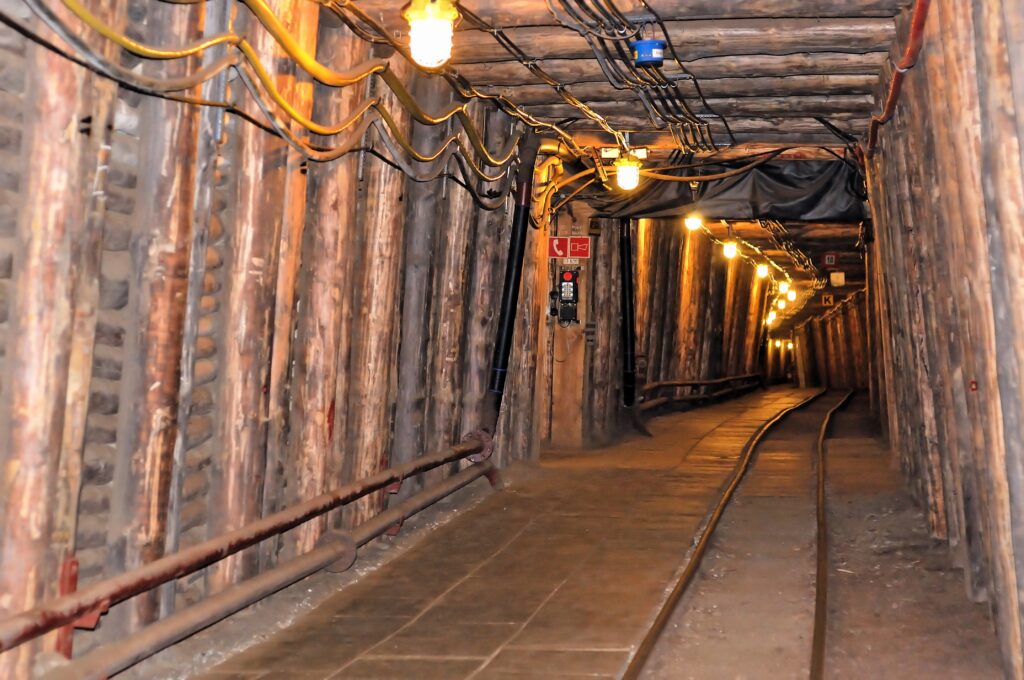
Early mining employed fire-setting technique where fires heated rock surfaces, then cold water created thermal shock fracturing salt formations. Miners excavated broken salt by hand using primitive tools, carrying loads to surface via wooden ladders. Additionally, by 14th century, Bochnia supplied salt across Central Europe via established trade routes. Furthermore, mine ownership transferred between Polish monarchs, nobles, and eventually Habsburg Empire following Polish partitions.
Technical Innovations and Expansion
The 16th-17th centuries brought technical advances including horse-powered winches (kołowrót), improved ventilation systems, and systematic chamber layouts. Moreover, miners discovered that Bochnia’s salt occurred in layered beds allowing room-and-pillar mining methods leaving support pillars preventing collapse. This technique created the vast chambers visitors explore today—some exceeding 20 meters height with cathedral-like proportions.
The Ważyn shaft sunk in 1252 served as main extraction point for five centuries, reaching eventually 320 meters depth. Additionally, drainage remained constant challenge as underground water threatened workings. Engineers developed elaborate pump systems and drainage adits channeling water to surface. Furthermore, by 19th century, steam engines powered hoists and ventilation improving efficiency dramatically.
20th Century Decline and Tourism Transformation
Commercial extraction continued through World War I and II despite political upheavals. However, declining salt prices and exhaustion of easily accessible deposits made operations increasingly unprofitable. Moreover, competing mines and synthetic salt production reduced market demand. Consequently, authorities closed Bochnia for commercial mining in 1990, ending 742 years of continuous extraction.
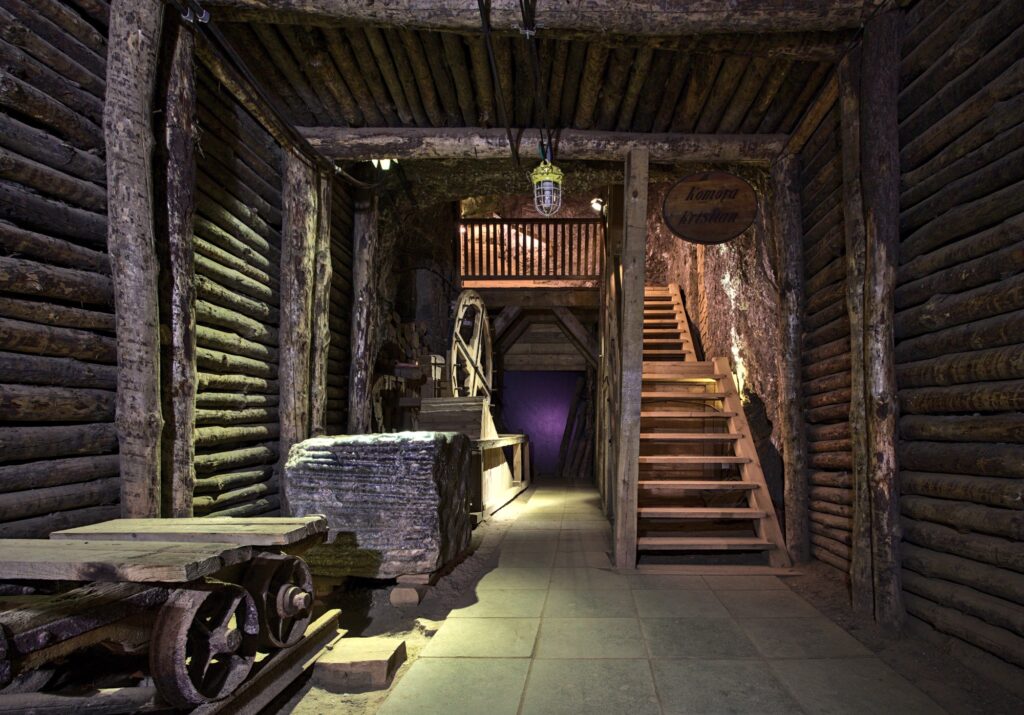
Simultaneously, tourism development began transforming industrial site into heritage attraction. First organized tours commenced 1960s though limited scale. Moreover, systematic tourist route development through 1990s-2000s created today’s comprehensive underground experience. Therefore, when UNESCO inscribed Bochnia (alongside Wieliczka) in 2013, the mine had successfully transitioned from industrial operation to sustainable cultural tourism.
UNESCO Recognition and Contemporary Significance
UNESCO inscription recognized Bochnia and Wieliczka as “outstanding examples of industrial heritage preserving centuries of salt mining tradition.” The justification emphasized technological innovations spanning 13th-20th centuries, exceptional underground architecture, and continuous operation demonstrating evolution of mining techniques. Moreover, shared inscription acknowledged both mines’ interconnected history despite distinct geological characteristics. Consequently, Bochnia gained international recognition while maintaining quieter, more intimate atmosphere versus Wieliczka’s mass tourism.
What to See in Bochnia Salt Mine Poland: Underground Wonders
Tourist Route – Standard Underground Tour
The main tourist route covers 2.5 kilometers underground across three levels (175m, 225m, and 250m depth) requiring approximately 2.5-3 hours. Visitors descend via historic Ważyn shaft using modern elevator, then follow guides through hand-carved chambers showcasing mining history, geology, and stunning salt formations. Moreover, the tour includes multimedia presentations, historical mining equipment displays, and atmospheric lighting emphasizing crystalline salt surfaces.
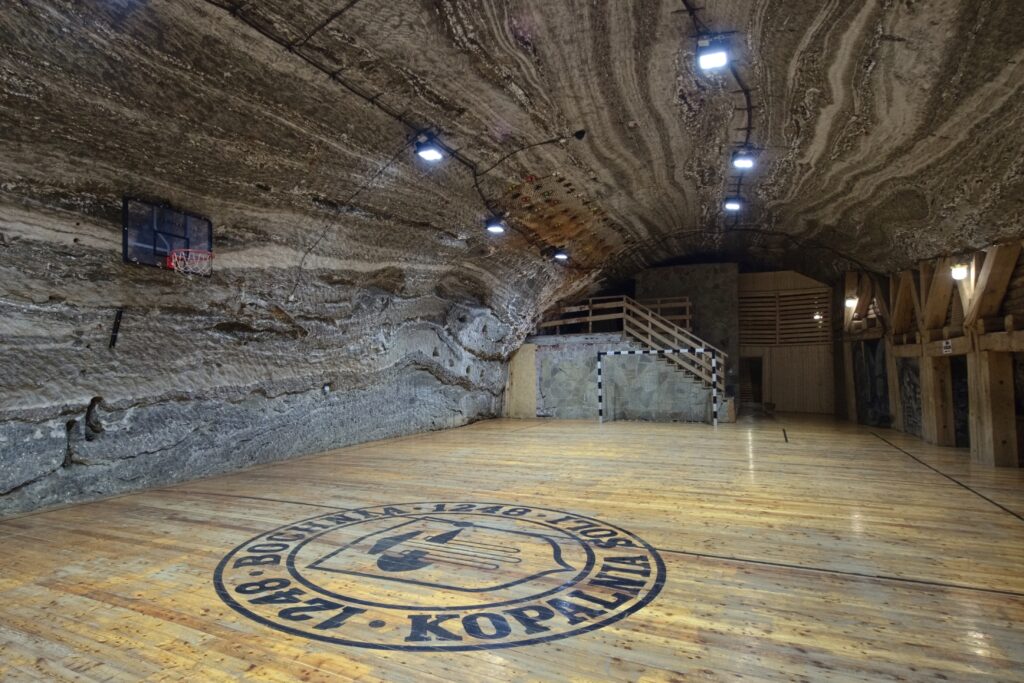
Opening hours: Year-round daily tours departing every 30-60 minutes depending on season; first tour typically 09:00, last entry 15:00-17:00 (seasonal variation). Admission 2026: Adults 110 PLN, reduced 90 PLN, children 4-7 years 55 PLN, family ticket (2+2) 290 PLN. English, German, Russian tours available—verify schedule when booking. Tour duration: 2.5-3 hours including multimedia presentations and rest stops. Physical requirements: Moderate walking ability required; approximately 800 stairs though many sections level. Not wheelchair accessible.
Insider tip: Book 09:00 or 09:30 first morning tours guaranteeing smallest groups (15-25 people versus 35-40 midday). Moreover, guides have more energy and time for detailed explanations early day. Additionally, underground passages empty ahead providing unobstructed photography opportunities.
⭐ Chapel of St. Kinga – Underground Sanctuary
The highlight of Bochnia tour, this extraordinary chapel occupies a chamber at 250 meters depth, entirely carved from greenish-gray rock salt. Unlike Wieliczka’s famous chapel featuring salt sculptures, Bochnia’s sanctuary preserves raw salt walls creating mystical atmosphere enhanced by candlelight and religious artifacts. Moreover, the chapel hosts monthly Catholic Mass (typically first Sunday each month at 11:00) attracting pilgrims descending underground for unique spiritual experience.
Dimensions: Approximately 12 x 8 meters; ceiling height 6 meters. Features: Simple altar carved from salt block; wooden crucifix; benches for 50-60 worshippers; exceptional acoustics. Access: Included in standard tour route. Photography: Allowed though flash restricted to preserve atmosphere. Insider tip: If visiting during monthly Mass period, arrange attendance in advance through mine office—profound experience combining faith, history, and underground setting. Non-religious visitors respectfully welcome to observe from rear. Mass attendance adds 45 minutes to standard tour duration.
⭐ Underground Lake and Boat Tour
At 250 meters depth, visitors board wooden boats crossing a subterranean saline lake formed by groundwater seepage into abandoned chambers. The 100-meter boat journey through darkness illuminated only by guide’s lamp creates otherworldly atmosphere. Moreover, mineral-rich water (20-25% salinity) appears deep green due to salt composition and lighting. Additionally, guides demonstrate lake depth (approximately 3-4 meters) and explain ongoing drainage management preventing flooding.
Duration: 10-15 minute boat section within standard tour. Capacity: Boats carry 8-12 passengers requiring multiple crossings for larger groups. Experience: Atmospheric and unique—one of few underground boat tours in Europe. Safety: Life jackets provided; calm water conditions; professional guides. Insider tip: Request front boat position for best views and unobstructed photography. Moreover, water temperature constant 14°C year-round matching ambient air—no splashing or swimming allowed.
Mine Slides – Thrilling Descents
Wooden slides connect different mining levels, plunging 12-15 meters at steep angles. Originally used by miners for rapid descent between work areas, today they provide thrilling tourist experience. Moreover, three separate slides occur during standard tour with guides demonstrating proper sliding technique. Participants accelerate rapidly reaching surprising speeds before flattening at bottom.
Physical requirements: Suitable ages 5-75 assuming good health; weight limits apply (typically under 120kg). Safety: Guides supervise each descent; smooth wooden surfaces prevent splinters; landing areas padded. Alternative: Stairs available for those preferring not to slide. Insider tip: Wear long pants—sliding generates friction heat potentially uncomfortable with shorts. Moreover, children absolutely love slides creating memorable highlight of underground adventure.
Underground Museum and Mining Equipment
Throughout the tour route, chambers display historic mining tools, geological samples, and multimedia presentations explaining extraction techniques evolution. Moreover, authentic wooden machinery including horse-powered winches, hand carts, and medieval tools illustrate working conditions. Additionally, mineral collections showcase salt crystal varieties and associated deposits. Furthermore, interpretive panels (Polish, English, German) provide historical context.
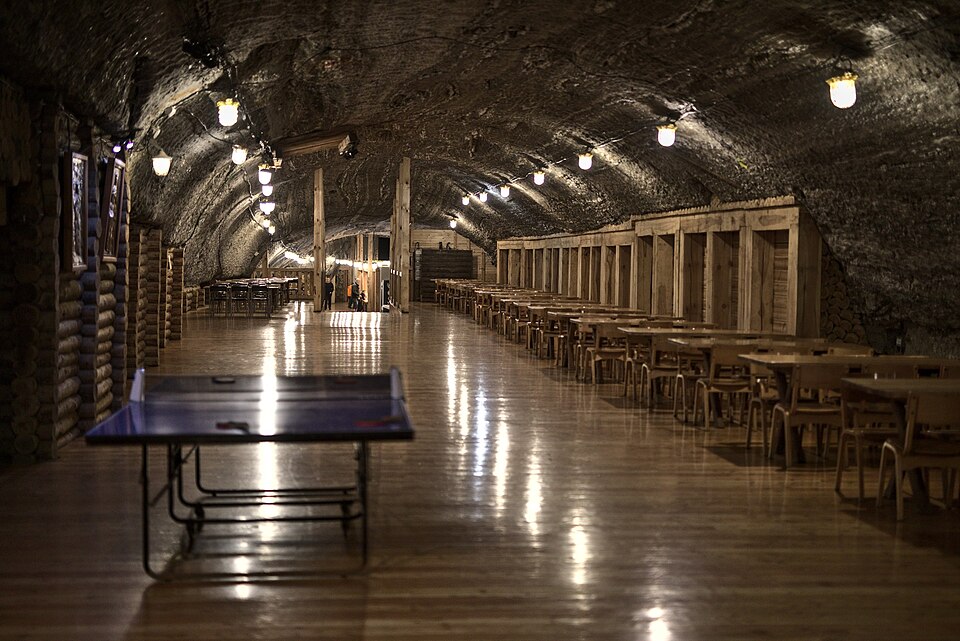
Highlights: Reconstructed medieval mining chamber showing fire-setting technique; 19th-century steam-powered pump models; crystalline salt formations including rare blue salt pockets. Time allocation: Integrated throughout tour; no separate museum admission required. Insider tip: Ask guides about blue salt formation—rare geological phenomenon occurring in limited locations worldwide including specific Bochnia chambers.
Health Chamber – Underground Therapy
A specialized chamber at 250 meters depth offers therapeutic stays utilizing salt aerosol microclimate benefits. Moreover, constant temperature (14-16°C), high humidity (60-70%), and salt-saturated air reportedly benefit respiratory conditions including asthma, allergies, and chronic bronchitis. Additionally, extended stays (minimum 3 hours) available by advance reservation outside standard tour times.
Therapy sessions: Available Monday-Friday by appointment; 3-hour minimum sessions 80 PLN per person. Medical indications: Respiratory conditions, skin conditions, stress relief. Contraindications: Active infections, severe cardiovascular conditions, claustrophobia. Facilities: Reclining chairs, blankets provided (underground coolness), restrooms accessible. Insider tip: Multi-day therapy packages (5-10 sessions) offer discounted rates and reportedly greater health benefits—popular among Polish visitors though rarely utilized by international tourists unaware of availability.
How to Reach Bochnia Salt Mine Poland
Location and Regional Context
Bochnia Salt Mine Poland sits in the town of Bochnia, approximately 40 kilometers east-southeast of Kraków and 20 kilometers west of Tarnów. Moreover, GPS coordinates 49.9694°N, 20.4292°E locate the mine entrance on Campi Street (ul. Campi). Additionally, positioning between two major cities provides excellent transport connections. Furthermore, the mine lies within Małopolska (Lesser Poland) region known for salt deposits, medieval heritage, and proximity to Carpathian Mountains.
From Kraków – Train, Bus, and Car
By train: PKP regional trains depart Kraków Główny to Bochnia station hourly; 35-45 minutes journey; 15-20 PLN one-way. Station lies 1.5 kilometers from mine entrance requiring 20-minute walk or taxi (20 PLN). Moreover, frequent service makes trains convenient option for car-free travelers.
By bus: Multiple carriers (PKS, private) operate Kraków-Bochnia routes; 40-60 minutes depending on stops; 12-18 PLN. Buses stop closer to mine entrance versus train station. Check current schedules at e-podroznik.pl or BusFor platform.
By car: 38 kilometers east via Route 94; 40-50 minutes driving. Take Route 94 toward Tarnów, follow Bochnia signs, then “Kopalnia Soli” (Salt Mine) directional signs within town. Moreover, straightforward routing makes self-drive convenient.
Organized tours from Kraków: Multiple agencies offer combined Wieliczka-Bochnia tours or Bochnia-only excursions; 180-350 PLN per person including transport and guide. Moreover, tours handle logistics but limit on-site time to 3-4 hours. Therefore, independent travelers gain flexibility visiting Bochnia separately from Wieliczka versus rushed combined tours.
Parking at Mine Site
On-site parking: FREE lot with 80-100 spaces adjacent to entrance building. Conditions: Paved; suitable all vehicles year-round. Availability: Generally adequate except peak summer weekends (10:00-14:00 July-August) when overflow street parking may be necessary. Security: Visible from mine buildings; generally safe though avoid leaving valuables visible.
From Other Cities
From Tarnów: 20 kilometers west; 25 minutes driving via Route 94. Trains operate hourly; 15-20 minutes; 10-12 PLN. Therefore, feasible Tarnów day trip or combined with Kraków visit.
From Warsaw: 280 kilometers south; 3.5-4 hours driving via A4 motorway. Train to Kraków (2.5 hours), then local train to Bochnia adds significant time. Therefore, practical only for extended Małopolska tours.
From Zakopane: 120 kilometers north; 2-2.5 hours via scenic mountain roads. Consequently, travelers touring Kraków-Zakopane corridor can incorporate Bochnia as worthwhile stopover.
Local Transportation
Bochnia town compact and walkable. Moreover, train/bus stations within 1.5-2 kilometers of mine entrance (20-25 minute walk). Taxis available at stations; 15-25 PLN to mine. Additionally, local buses operate limited schedules—verify routes at mine information desk if staying overnight.
Best Time to Visit Bochnia Salt Mine Poland
Peak Season (July-August)
Weather surface: 22-28°C. Visitor numbers reach 600-1,000 daily weekends. Consequently, advance booking essential 1-2 weeks minimum for English-language tours. Additionally, tour groups reach maximum capacity (35-40 people) creating crowded underground passages. Moreover, Polish school groups concentrate in June adding congestion.
Advantages: Extended opening hours (last entry 17:00 versus 15:00 off-season). Furthermore, daily English tours versus limited weekly schedules winter. Additionally, warm surface weather contrasts pleasantly with cool 14-16°C underground. Moreover, full town services operate including restaurants and shops. Disadvantages: Crowded tours diminish intimate atmosphere. Additionally, parking challenges at peak midday hours. Furthermore, photography difficult with constant tourist movement. Moreover, higher Kraków accommodation prices if basing there (30-40% above off-season).
Shoulder Season (April-June, September-October)
Weather surface: 12-22°C. Visitor numbers drop 50% compared to peak. Consequently, weekday tours often 20-30 people allowing more personalized experience. Additionally, booking flexibility improves—typically 3-5 days advance sufficient. Moreover, Kraków hotel prices return to baseline.
Spring advantages (April-June): Fresh weather ideal for combining mine visit with Kraków sightseeing or Carpathian hiking. Moreover, April-May minimal school groups. Additionally, Easter period brings special underground chapel services. Autumn advantages (September-October): September particularly pleasant with stable 18-22°C surface temperatures. Moreover, October weekdays nearly crowd-free. Additionally, autumn colors in surrounding countryside enhance scenic drive from Kraków.
Disadvantages: Slightly reduced opening hours (last entry 16:00). Additionally, English tours may require minimum group sizes or specific scheduled days—verify when booking. Moreover, occasional rain requires waterproof gear for surface portions.
Off-Season (November-March)
Weather surface: -2 to 8°C. Visitor numbers minimal—100-300 daily even weekends. Moreover, tours frequently 10-20 people creating intimate atmosphere guides appreciate. Additionally, Kraków accommodation 40-50% below summer rates. However, English tours limited to weekends or by advance group arrangement.
Advantages: Near-private underground experience. Furthermore, constant 14-16°C underground feels warm compared to freezing surface creating pleasant thermal contrast. Additionally, no advance booking necessary—walk-up tickets readily available. Moreover, guides have maximum time for questions and detailed explanations. Therefore, dedicated heritage enthusiasts favor winter visits despite surface cold. Disadvantages: Very limited English tour schedule—typically Saturday-Sunday only or minimum 15-person advance bookings. Additionally, short daylight (08:00-16:00 December) limits flexibility. Moreover, some Bochnia restaurants close or operate reduced hours. Furthermore, icy parking areas and walkways require careful footing.
Optimal Timing Recommendations
Best overall: May or September offer ideal conditions—moderate temperatures, manageable crowds (20-30 people tours), full tour availability, and baseline pricing. Best for avoiding crowds: October-March weekdays guarantee smallest groups though require Polish-language tour acceptance or coordinating English group tours. Best for families: Early June before school groups or early September after summer holidays balances weather, availability, and comfort. Special consideration: Underground temperature constant 14-16°C year-round—season affects only surface comfort, not underground experience. Bring jacket regardless of visit month.
Best Restaurants & Local Cuisine Near Bochnia Salt Mine Poland
Budget Options (20-50 PLN per person)
Bar Mleczny “U Babci” (Grandmother’s; town center) serves traditional milk bar fare. Moreover, menu includes żurek 12 PLN, kotlet schabowy 16 PLN, pierogi 14 PLN per 10-piece, placki ziemniaczane 15 PLN. Hours: Monday-Friday 08:00-16:00; Saturday 09:00-14:00; closed Sunday. Cash only. Why locals eat here: Authentic home-style cooking; no tourist markup; 25-35 PLN typical total bill.
Pizzeria near Market Square: Several pizza/kebab spots offer quick meals 25-40 PLN including Pizza House and local chains.
Mid-Range Traditional Polish (50-110 PLN per person)
Restauracja “Bocheńska” (town center) specializes in regional Małopolska cuisine. Consequently, signature dishes include duck with apples 68 PLN, pork tenderloin in mushroom sauce 58 PLN, trout from local streams 62 PLN. Moreover, traditional soups feature regional recipes: barszcz 18 PLN, żurek in bread bowl 26 PLN. Hours: Tuesday-Sunday 12:00-21:00; closed Monday. Reservations recommended weekends.
Karczma “Pod Koroną” (tavern-style) provides hearty Polish classics in rustic setting. Moreover, menu emphasizes grilled meats and traditional sides: grilled pork ribs 54 PLN, beef goulash 48 PLN, hunter’s stew (bigos) 32 PLN. Additionally, regional beer selection 12-16 PLN. Hours: Wednesday-Sunday 13:00-22:00; closed Monday-Tuesday.
Near Mine Entrance
Café “Kopalnia” (Mine Café; adjacent to entrance) offers convenient post-tour refreshments. Moreover, menu includes soups 16-22 PLN, sandwiches 18-28 PLN, desserts 12-18 PLN, coffee 10-14 PLN. Additionally, outdoor seating May-September. Hours: Daily 09:00-18:00 aligning with mine operations. Advantage: Zero travel for immediate post-tour meal; basic but adequate quality.
Kraków Dining Alternative
Many visitors base in Kraków returning there for dinner. City offers 500+ restaurants all categories providing vastly superior variety versus Bochnia’s limited options. Moreover, this strategy suits travelers doing Bochnia as half-day trip before Kraków evening activities.
Regional Specialties
Obwarzanek—Kraków-region ring-shaped bread (similar to bagel); 3-5 PLN street vendors. Oscypek—smoked sheep cheese from nearby mountains; 8-15 PLN depending on size; try grilled with cranberry sauce. Śliwowica—plum brandy; 15-25 PLN per shot at traditional restaurants; powerful (70% alcohol). These regional items reflect Małopolska culinary traditions rarely found outside southern Poland.
Accommodation for Visiting Bochnia Salt Mine Poland
Budget Bochnia Options (120-280 PLN/night)
Pensjonat “U Solnika” (Miner’s Guesthouse) offers basic rooms 150-220 PLN/night including breakfast. Moreover, family-run; 500 meters from mine entrance (8-minute walk). Additionally, free parking; shared bathrooms some rooms; limited English. Booking: Direct phone or platforms. Advantage: Closest accommodation to mine enabling early morning tours without rush.
Private rooms (pokoje): Several residents rent rooms 120-180 PLN/night. Moreover, inquire at Tourist Information (Rynek) or watch for “Pokoje” signs. Cash only; variable English; authentic local experience.
Mid-Range Bochnia (280-480 PLN/night)
Hotel “Twardowski” (town center) provides comfortable rooms 320-420 PLN/night including breakfast. Moreover, on-site restaurant; modern bathrooms; free parking; 1.5 kilometers from mine (5-minute drive, 20-minute walk). Reception speaks English. Booking: Standard platforms.
Base in Kraków (40 km)
Most international visitors base in Kraków treating Bochnia as half-day excursion. Moreover, Kraków offers 300+ hotels all categories 180-800 PLN/night plus vastly superior dining, nightlife, and cultural attractions. Additionally, convenient for combining Bochnia with other Małopolska sites. However, requires daily 40-kilometer commute.
Recommended Kraków mid-range: Hotel Wielopole 350-480 PLN; Hotel Benefis 320-420 PLN; both include breakfast, central location, English-speaking staff. Moreover, old town locations enable evening exploration after day trips.
Alternative: Tarnów (20 km)
Lesser-known city offers 15+ hotels 200-450 PLN/night. Moreover, beautiful Renaissance Old Town warrants visit itself. Additionally, equidistant between Bochnia and other regional attractions. Consequently, suitable for travelers exploring southeastern Poland comprehensively versus Kraków-centric itineraries.
What to See Nearby Bochnia Salt Mine Poland
Wieliczka Salt Mine (60 km west)
Poland’s most famous salt mine features elaborate underground chapel with salt sculptures, subterranean lake, and 3-kilometer tourist route. Moreover, while overcrowded (1.5 million annual visitors versus Bochnia’s 100,000), the scale and artistic elements differ significantly. Admission: 140-180 PLN depending on route. Allow 3 hours. Consequently, serious mining heritage enthusiasts visit both comparing experiences—Wieliczka for artistry, Bochnia for authentic mining atmosphere.
Kraków Old Town UNESCO (40 km)
Poland’s cultural capital features Europe’s largest medieval market square, Wawel Royal Castle, Jewish Quarter (Kazimierz), and 40+ museums. Moreover, Old Town entirely UNESCO-listed separately from salt mines. Allow minimum full day; ideally 2-3 days. Therefore, combining Bochnia with Kraków creates comprehensive Małopolska cultural itinerary.
Tarnów Renaissance Town (20 km)
Well-preserved Renaissance Old Town features colorful townhouses, Gothic cathedral, and Regional Museum. Moreover, Tarnów receives minimal international tourists despite architectural quality. Allow 3-4 hours. Consequently, makes excellent addition to Bochnia visit creating lesser-known heritage pair versus Kraków crowds.
Ojców National Park (50 km)
Limestone gorge landscape with medieval castle ruins, unique rock formations called “clubs,” and hiking trails. Moreover, park lies between Kraków and Bochnia enabling route combinations. Allow half-day. Therefore, nature lovers combine mining heritage with Carpathian foothills exploration.
Suggested Multi-Day Itinerary
Day 1: Kraków Old Town and Wawel Castle. Day 2: Morning Bochnia Salt Mine, afternoon Tarnów or return Kraków for museums. Day 3: Wieliczka Salt Mine morning, Ojców National Park afternoon. Consequently, this balances UNESCO mining heritage, cultural attractions, and natural landscapes. Base in Kraków for logistical convenience accessing all sites within 60-kilometer radius.
Practical Tips for Visiting Bochnia Salt Mine Poland
Planning Your Visit
Allow 4 hours total for Bochnia Salt Mine Poland experience: 30 minutes pre-tour museum and preparation, 2.5-3 hours underground tour, 30 minutes post-tour cafe/shop. Additionally, factor travel time from Kraków (1 hour each way) making half-day minimum commitment. Advance booking recommended June-August (1-2 weeks); typically unnecessary April-May and September-October weekdays. Furthermore, English tours require verification—call or email mine confirming English tour schedule for your visit date avoiding disappointment.
Essential Booking Information
Website: kopalniasoli.pl (Polish; Google Translate helpful). Phone: +48 14 611 0200 (reception speaks basic English). English tours: Guaranteed June-August daily; April-May and September-October typically weekends plus select weekdays; November-March weekends only or minimum 15-person advance booking. Walk-up tickets: Available space permitting; risky summer weekends though usually okay weekdays off-season.
Money and Payments
Ticket office accepts cash (PLN) and major credit/debit cards. Moreover, ATM available in mine entrance building. Additionally, small gift shop sells minerals, souvenirs, books. Typical costs: Mine admission 110 PLN; lunch 40-60 PLN; transportation from Kraków 30-40 PLN; total day trip 180-210 PLN per person excluding accommodation.
What to Bring Underground
- Warm jacket or fleece: Essential year-round—constant 14-16°C underground versus 25°C+ surface summer creates significant temperature drop. Moreover, humidity makes it feel colder than thermometer reading.
- Closed sturdy shoes: Paths can be damp; approximately 800 stairs total (both up and down). Additionally, slides require stable shoes. Avoid sandals, flip-flops, heels. Trail runners or hiking shoes ideal.
- Long pants: Recommended for slides—friction generates heat potentially uncomfortable with shorts. Moreover, provides modest coverage respecting former workplace setting.
- Small backpack: For jackets removed after tour; water bottles; camera. Moreover, tight passages in some sections mean large bags cumbersome.
- Camera: Photography allowed though flash use restricted some chambers. Moreover, low-light conditions challenge smartphone cameras. Additionally, humidity causes lens fogging—bring cleaning cloth.
- Water bottle: Thirst develops during 3-hour underground experience. Moreover, constant talking (questions to guides) dries mouth. Additionally, no drinking fountains underground—bring your own.
Insider Tips and Secrets
- ⭐ Best tour time: First 09:00-09:30 morning tours guarantee smallest crowds (15-25 people versus 35-40 midday). Moreover, guides more energetic providing detailed explanations. Additionally, underground passages empty ahead enabling unobstructed photography.
- ⭐ Monthly Mass attendance: If visiting first weekend of month, arrange attending underground Mass in Chapel of St. Kinga—profound spiritual-historical experience. Contact mine office 1-2 weeks advance confirming Mass schedule and reserve tour accommodating attendance. Non-religious visitors welcome respectfully observing.
- ⭐ Photography strategy: Bring tripod for long-exposure shots in dimly lit chambers (permission required; ask guide). Moreover, ISO 1600-3200 smartphone/camera settings necessary without tripod. Additionally, lake chamber provides most photogenic scenes—request front boat position for unobstructed shooting.
- ⭐ Free experiences: Entrance building museum FREE separate from tour (displays mining equipment, minerals, history). Moreover, small park adjacent to mine entrance pleasant for pre-tour relaxation or post-tour picnic.
- ⭐ Bochnia vs Wieliczka: Serious mining heritage enthusiasts visit both—Wieliczka for elaborate salt sculptures and artistic chapel; Bochnia for authentic mining atmosphere, adventure elements (slides, boats), and intimacy. Moreover, Bochnia allows photography more freely. Additionally, 60-kilometer separation enables same-day visits though exhausting—recommend separate days.
- ⭐ Health chamber: If suffering respiratory issues, book multi-session therapy package (5-10 visits over days/weeks). Moreover, while scientific evidence mixed, many report subjective improvement. Additionally, peaceful underground environment provides stress relief regardless of specific health benefits. Rarely utilized by international tourists creating hidden wellness opportunity.
Safety and Accessibility
Safety: Tours very safe—maintained walkways, handrails, professional guides, emergency systems. However, 800 stairs total (both directions) requires moderate fitness. Moreover, slides involve speed and momentum—follow guide instructions carefully. Additionally, boats stable and safe with guide assistance. Furthermore, mine temperature cool but not cold-dangerous with appropriate clothing.
Accessibility: Not wheelchair accessible—stairs unavoidable throughout route, slides require mobility, boats require stepping over gunwales. Moreover, narrow passages some sections. Therefore, mobility-impaired visitors unfortunately cannot access underground tour. Additionally, minimum age typically 4 years (must follow instructions and climb stairs). Some tours restrict pregnant women due to physical demands—inquire when booking.
Claustrophobia considerations: Most passages relatively spacious though occasional narrow sections. Moreover, knowledge of being 250 meters underground affects some visitors psychologically regardless of physical space. Additionally, 3-hour duration means significant time commitment underground. Therefore, severe claustrophobia sufferers should honestly assess comfort level before booking.
Tourist Information and Emergencies
Bochnia Tourist Information (Rynek, Market Square; phone +48 14 612 5444) operates Monday-Friday 09:00-17:00; reduced weekend hours. Moreover, mine reception (ul. Campi; phone +48 14 611 0200) answers tour-specific questions. Emergency: 112 (EU standard). Nearest hospital: Szpital w Bochni, ul. Krakowska; 2 kilometers from mine entrance. Mine itself maintains underground emergency procedures and first aid trained staff.