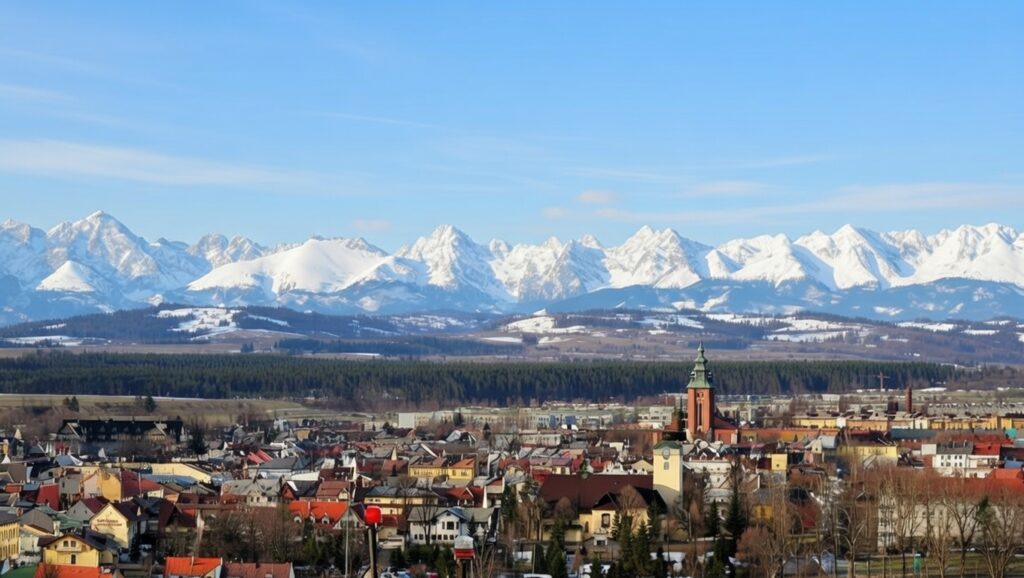
Nowy Targ Market ranks among southern Poland’s most authentic highland experiences, a sprawling open-air market where górale (mountain folk) have traded goods for centuries beneath the peaks of the Tatra Mountains. Held every Thursday and Saturday from dawn until mid-afternoon, this market transforms the capital of Podhale into a bustling commercial hub where visitors discover everything from smoked sheep cheese to hand-carved wooden tools. Moreover, Nowy Targ Market Poland lies just 20 kilometers north of Zakopane and 80 kilometers south of Kraków, making it one of the most accessible traditional markets in the Polish highlands.
Nowy Targ Market appeals to travelers seeking genuine highland culture beyond the tourist-focused streets of Zakopane, as well as foodies hunting for authentic oscypek cheese directly from shepherds who still practice centuries-old smoking techniques. Additionally, shoppers find exceptional value on sheepskin coats (kożuchy), traditional embroidered vests, and hand-woven textiles that represent generations of Podhale craftsmanship. Furthermore, photographers and culture enthusiasts capture scenes of góral vendors in traditional dress negotiating prices in the sing-song Podhale dialect that sets this region apart from the rest of Poland.
This comprehensive guide covers the market’s medieval origins and its evolution into Poland’s largest highland fair, details what products to buy and how to negotiate like a local, explains transportation from Kraków and Zakopane including parking strategies, and recommends where to eat traditional highlander cuisine and stay overnight to experience both Thursday and Saturday market days. Consequently, whether you visit for three hours or plan a full day exploring Nowy Targ’s medieval town square and surrounding attractions, this guide provides everything needed to navigate Poland’s most authentic mountain market.
History of Nowy Targ Market: From Medieval Trade Routes to Modern Highland Fair
Medieval Origins and Royal Charter
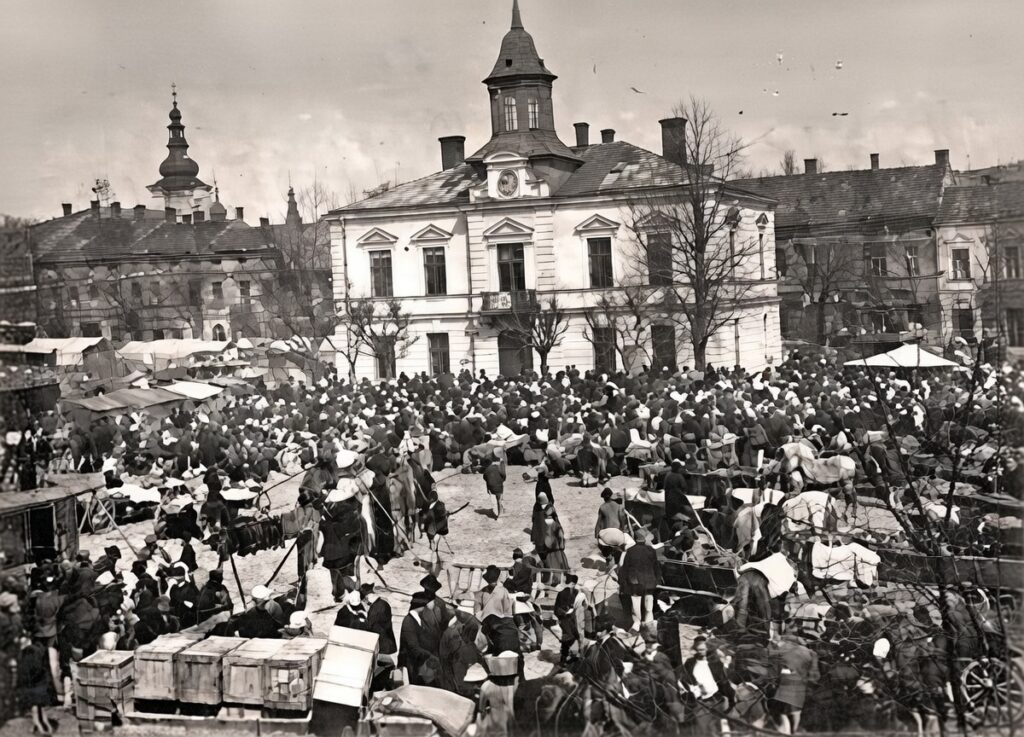
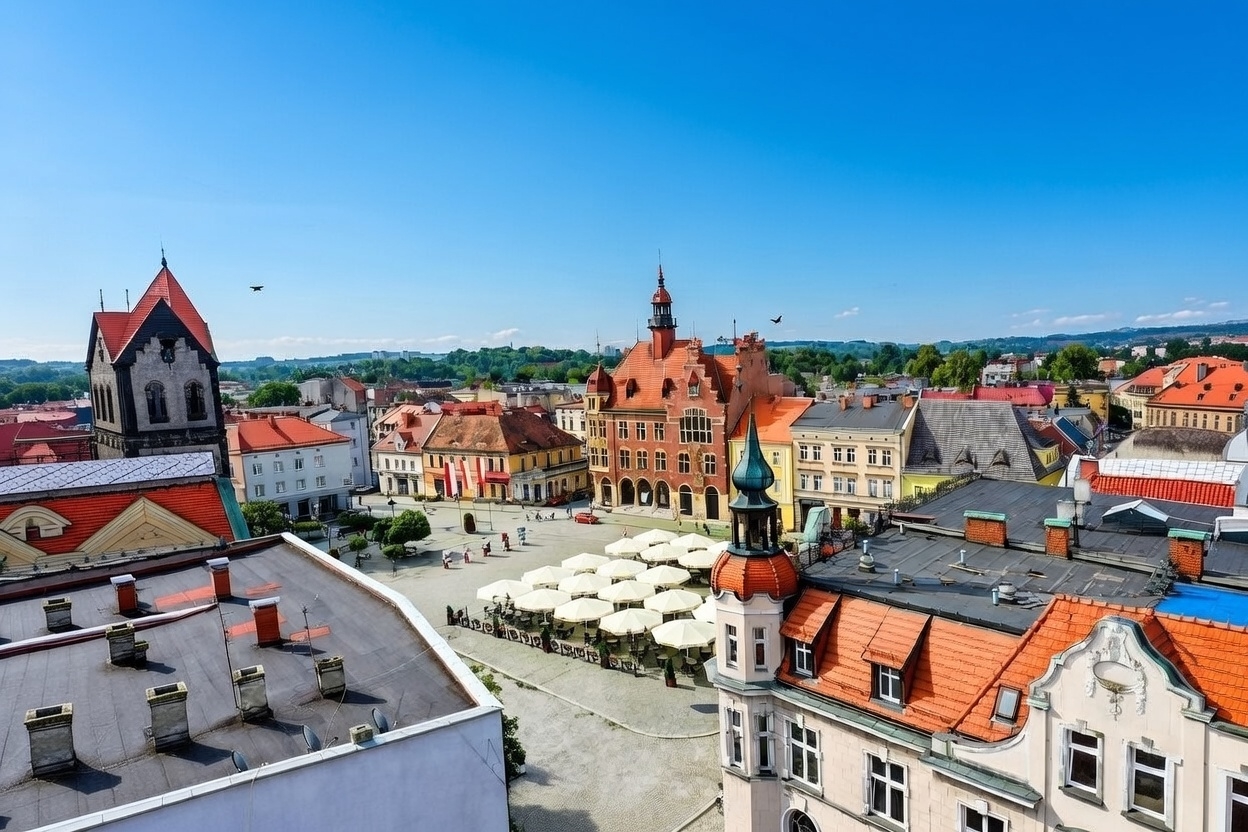
Nowy Targ established itself as a trading settlement before 1233, positioned strategically at the confluence of the Biały Dunajec and Czarny Dunajec rivers where mountain trails from Slovakia met lowland routes toward Kraków. King Casimir the Great granted official town rights on June 22, 1346, recognizing Nowy Targ’s growing importance as the commercial gateway to the Podhale region. The medieval market square layout survives to this day, with the original rectangular rynek (main square) surrounded by colorful burgher houses that once stored grain, salt, and textiles traded between Polish merchants and Slovak mountain communities.
During the 14th and 15th centuries, Nowy Targ Market specialized in livestock trade, particularly the hardy sheep breeds adapted to Tatra Mountain pastures. Shepherds drove flocks down from summer highland meadows (hale) each autumn to sell at Nowy Targ’s weekly fairs, while Slovak merchants crossed the mountain passes bringing iron tools, wool fabric, and Hungarian wine. This cross-border trade established Nowy Targ as the undisputed capital of Podhale, a status the town maintains six centuries later.
The Rise of Highland Handicrafts
By the 17th century, Nowy Targ Market evolved beyond simple livestock trading to showcase the distinctive handicrafts that define Podhale culture. Góral artisans developed specialized skills in leatherworking, creating the iconic kożuch (sheepskin coat) that became both practical mountain wear and a status symbol decorated with intricate embroidery and colorful felt appliqués. Additionally, woodcarvers produced elaborate walking sticks (ciupagi) topped with metal axes that served as both tools and weapons, while women wove colorful parzenice (striped textiles) used for traditional highland skirts and household decorations.
The market became famous throughout Poland for oscypek production, a smoked sheep’s milk cheese protected by EU geographical indication since 2007. Shepherds established strict quality standards, smoking the distinctively spindle-shaped cheeses over specific highland wood types in wooden huts called szałasy. Thursday and Saturday market days allowed shepherds to sell directly to customers, bypassing middlemen and preserving the direct producer-to-consumer relationship that characterizes Nowy Targ Market to this day.
20th Century Challenges and Revival
World War I and II brought significant hardship to Nowy Targ, with the market suspended during both German and Soviet occupations. The post-war communist period attempted to regulate the traditional market structure, moving vendors into state-controlled halls that local traders resisted. Nevertheless, góral entrepreneurship persevered, and when Poland transitioned to a market economy in 1989, Nowy Targ Market experienced a renaissance. The town constructed a modern market complex called “Nowa Targowica” in the early 2000s, providing covered stalls while maintaining the outdoor atmosphere that defines authentic Polish markets.
Today, Nowy Targ Market attracts over 1,000 vendors every Thursday and Saturday, selling everything from traditional handicrafts to modern electronics. The market has become a mandatory stop for tourists exploring the Tatra region, yet it retains its authentic character as locals continue shopping here for fresh produce, clothing, and household goods at prices significantly lower than in nearby Zakopane’s tourist-focused shops.
Market Days: Why Thursday and Saturday?
The Thursday and Saturday schedule dates to medieval regulations when Casimir the Great designated specific market days to prevent commercial conflicts between neighboring towns. Thursday served as the main livestock day when shepherds brought animals down from mountain pastures for sale, while Saturday accommodated farmers selling fresh produce and housewives purchasing supplies before Sunday church services. This centuries-old rhythm continues in 2026, with Thursday attracting more agricultural sellers and Saturday drawing larger crowds of tourists and weekend shoppers from Kraków and beyond.
What to Buy at Nowy Targ Market: From Oscypek to Sheepskin Coats
⭐ Oscypek: The King of Highland Cheeses
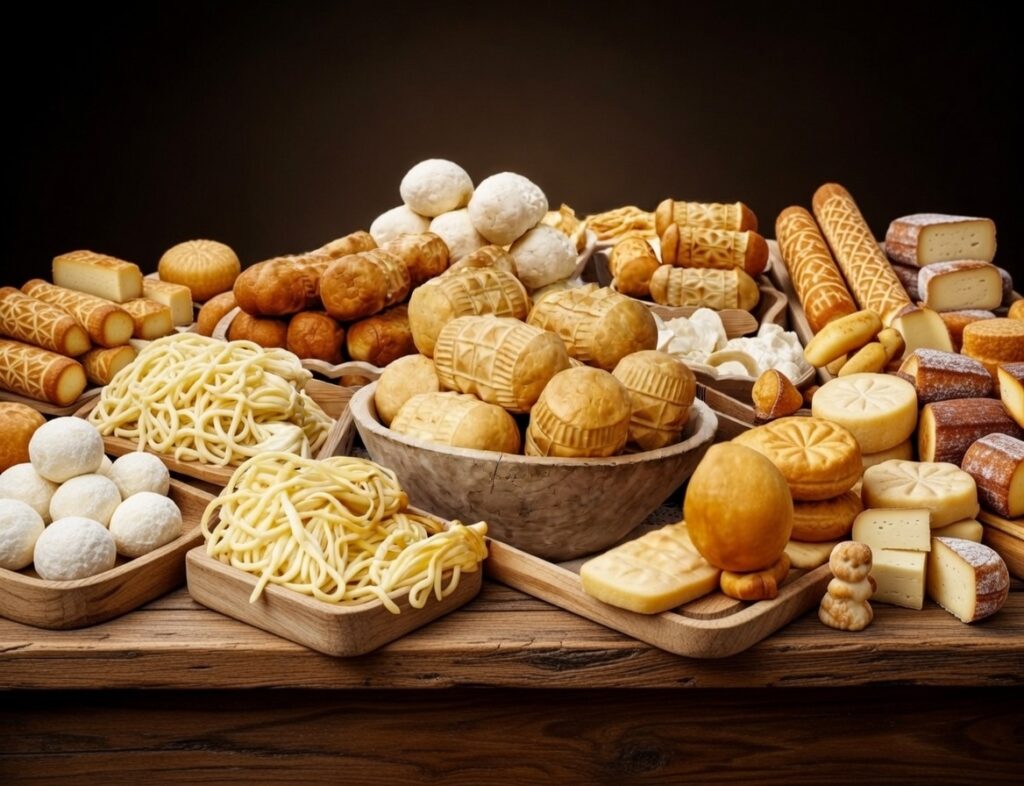
Oscypek represents the most sought-after product at Nowy Targ Market, a smoked sheep’s milk cheese that must meet strict EU Protected Designation of Origin standards to bear the authentic oscypek name. Genuine oscypek displays intricate geometric patterns pressed into the cheese using traditional wooden molds, then undergoes cold smoking over juniper, alder, or beech wood for 7-14 days in mountain huts. Prices range from 15-35 PLN per piece depending on size and quality, with vendors typically allowing free samples to prove authenticity.
⭐ Purchase oscypek directly from góral shepherds wearing traditional white felt pants and embroidered vests rather than from general food stalls, as shepherds guarantee genuine highland production. Moreover, authentic oscypek feels firm but slightly flexible when pressed, displays a golden-brown exterior with visible smoke marks, and emits a distinctive smoky-sweet aroma. Additionally, ask vendors about bryndza (soft sheep cheese spread) and bundz (fresh unsalted sheep cheese), both traditional Podhale products perfect for spreading on dark highland bread.
⭐ Kożuchy: Traditional Sheepskin Coats
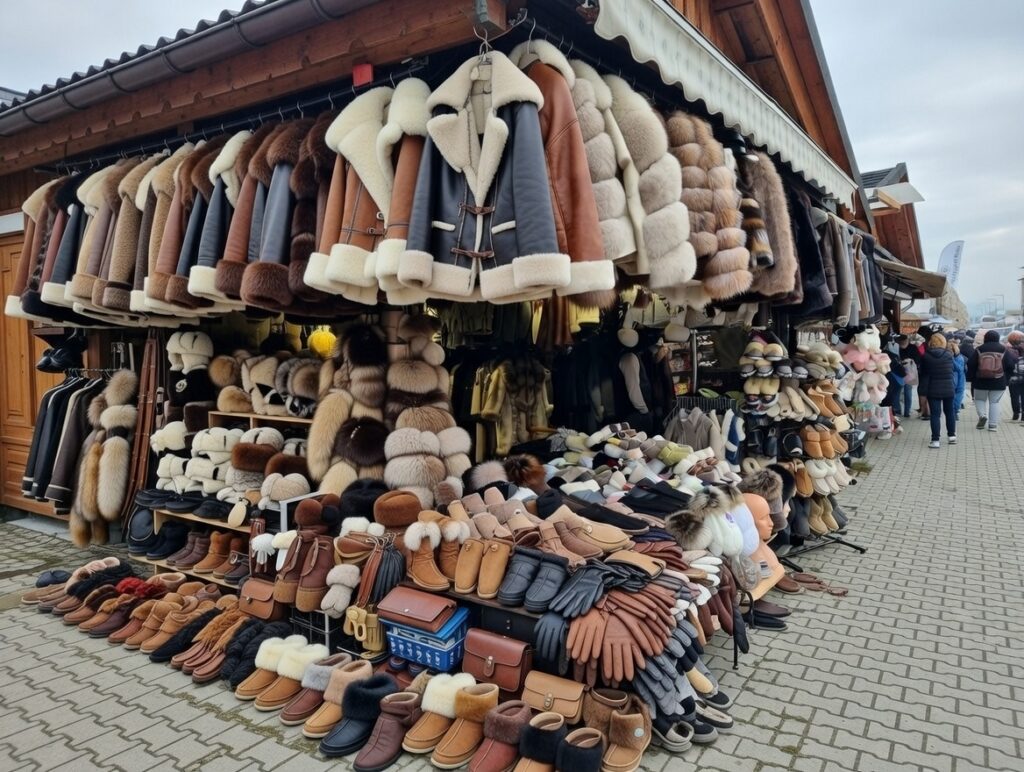
Kożuchy (sheepskin coats) rank as Nowy Targ Market’s most distinctive textile product, warm leather coats lined with natural sheep’s wool and decorated with colorful felt cutouts and intricate embroidery depicting highlander motifs. Authentic góral kożuchy feature specific design elements including red felt flowers, geometric patterns in white, black, and blue thread, and metal clasps rather than buttons. Prices vary dramatically from 800 PLN for simple modern versions to 3,000-8,000 PLN for museum-quality hand-embroidered coats using traditional techniques.
Serious shoppers should visit the southern section of Nowa Targowica where specialized leather vendors maintain permanent stalls, allowing for detailed examination and fitting. Furthermore, negotiate prices by examining stitching quality, asking about leather tanning methods, and comparing embroidery complexity across multiple vendors. Additionally, lighter sheepskin vests (kamizelki) cost 300-800 PLN and provide the traditional aesthetic without full coat warmth, making them practical souvenirs for visitors from warmer climates.
Traditional Handicrafts and Folk Art
Beyond cheese and clothing, Nowy Targ Market showcases the full spectrum of Podhale handicrafts developed over centuries of mountain isolation. Ciupagi (highland walking sticks) feature hand-forged metal axes attached to carved wooden shafts, traditionally carried by góral men as both hiking aids and defensive weapons. Prices range from 150 PLN for basic tourist versions to 800+ PLN for authentic pieces made by master blacksmiths using traditional forging techniques.
Wooden kitchen implements including butter molds, cheese presses, and serving platters display intricate carving typical of highland craftsmanship. Additionally, parzenica textiles woven in distinctive striped patterns serve as decorative runners, pillows, and traditional skirt fabric, with prices starting around 50 PLN for small pieces. Furthermore, vendors sell hand-knitted wool socks, sweaters, and mittens using highland sheep wool in natural cream, brown, and grey tones that provide exceptional warmth at 30-100 PLN depending on item complexity.
Fresh Produce and Regional Food Products
The central market area dedicates extensive space to agricultural vendors selling seasonal produce from highland farms and lowland orchards. Spring brings asparagus, rhubarb, and early strawberries, while summer stalls overflow with berries, cherries, and mountain herbs. Autumn features apples, plums, and mushrooms foraged from Tatra forests, and winter vendors offer root vegetables, sauerkraut, and preserved pickles. Prices typically run 30-50% lower than supermarket rates, with vendors encouraging bulk purchases through discounted pricing.
Regional specialty foods include góral honey harvested from highland meadow flowers, priced around 25-40 PLN per 500g jar, and żurek (sour rye soup) starter cultures used in traditional Polish cuisine. Additionally, vendors sell naturally smoked kielbasa (sausage) hanging from stall rafters, pickled mushrooms in various preparations, and seasonal preserves including rose hip syrup and mountain berry jams. Furthermore, bakery stalls offer fresh highland bread, particularly the dense whole-grain varieties traditionally baked in outdoor ovens.
Clothing, Textiles, and Household Goods
Modern clothing vendors occupy the northern market sections, offering practical items at significant discounts compared to retail shops. Winter months bring excellent deals on thermal underwear, ski socks, and outdoor gear suitable for Tatra hiking, while summer stalls feature lightweight hiking pants, sunhats, and backpacks. Prices reflect Poland’s competitive textile market, with quality items often costing half the equivalent in Western European outdoor shops.
Household sections sell everything from kitchen utensils to gardening tools, with vendors specializing in specific product categories. Consequently, shoppers find seasonal items including Christmas decorations (November-December), garden plants and seeds (April-June), and preserving equipment for fall canning season. Additionally, the market includes electronics stalls, shoe vendors, and furniture sections, making Nowy Targ a genuine one-stop shopping destination for local residents.
How to Reach Nowy Targ Market: Transportation and Parking Guide
From Zakopane (20 km / 25 minutes)
Zakopane serves as the closest major tourist base to Nowy Targ, with excellent public transportation connections that make market visits effortless even without a car. Polregio and Koleje Małopolskie operate hourly trains from Zakopane station to Nowy Targ, with journey times of 22-24 minutes and fares of 9-14 PLN. Trains depart starting around 5:30 AM on market days, allowing early arrival to catch vendors setting up stalls. Moreover, the Nowy Targ train station sits approximately 1 kilometer from the market complex, requiring either a 12-minute walk or a short taxi ride (10-15 PLN).
Alternatively, MajerBus operates direct bus service between Zakopane bus station and Nowy Targ every 30 minutes throughout the day, with tickets costing 9-11 PLN and journey times around 35 minutes. Buses stop closer to the market center than the train station, potentially saving 10 minutes walking time. Furthermore, shared minibus services (busy) run along the Zakopane-Nowy Targ route charging similar fares, though departure times vary and drivers rarely speak English.
From Kraków (80 km / 1 hour 15 minutes)
Kraków provides the main international gateway to Nowy Targ Market, with multiple transportation options accommodating different budgets and time constraints. Direct buses operated by companies including Szwagropol and Trans-Frej depart from Kraków’s main bus station approximately every 30-60 minutes throughout the day, with tickets costing 18-25 PLN and journey times of 1 hour 15 minutes to 1 hour 30 minutes depending on route and stops. Early morning departures around 6:00-7:00 AM ensure arrival during peak market hours.
Car rental provides maximum flexibility, allowing visitors to explore surrounding Podhale attractions after the market visit. The route follows highway E77 south from Kraków through scenic foothill villages, passing through Rabka-Zdrój before reaching Nowy Targ. Additionally, driving permits easy transportation of bulkier purchases including sheepskin coats or handicrafts. Nevertheless, parking near the market becomes challenging on busy Saturday mornings, requiring early arrival or willingness to park 10-15 minutes walking distance.
Parking at Nowa Targowica Market Complex
The Nowa Targowica market complex offers multiple parking areas surrounding the main market halls, with capacity for approximately 500 vehicles during normal conditions. However, Thursday and especially Saturday mornings see these lots fill completely by 8:00-9:00 AM during peak tourist season (June-August). Parking fees range from 5-10 PLN for the full day depending on proximity to market entrances, with attendants collecting payment and providing paper receipts.
⭐ Arrive before 7:30 AM on Saturday market days to secure convenient parking within the official lots, otherwise plan to park in residential streets 10-15 minutes walking distance where street parking remains free but spaces fill quickly. Moreover, alternative parking exists at the nearby train station lot (5 PLN/day) approximately 1 kilometer from the market, suitable for visitors arriving by train or willing to walk. Additionally, avoid blocking driveways or parking in clearly marked no-parking zones, as traffic wardens actively ticket vehicles during market days.
Best Time to Visit Nowy Targ Market: Seasonal and Daily Timing
Market Days and Hours
Nowy Targ Market operates exclusively on Thursdays and Saturdays from approximately 6:00 AM to 3:00 PM, with most vendors arriving between 5:30-7:00 AM and beginning to pack up around 1:00-2:00 PM. ⭐ Arrive between 7:00-9:00 AM for optimal selection, when vendors display full inventory and early crowds remain manageable compared to the 9:00-11:00 AM peak period when tour buses arrive from Kraków. Moreover, afternoon visits after 1:00 PM offer potential discounts as vendors prefer selling remaining inventory rather than transporting goods home, though selection becomes limited particularly for popular items like fresh oscypek.
Thursday markets attract primarily local shoppers purchasing household goods and groceries, creating a more authentic atmosphere with less tourist focus but potentially fewer traditional handicraft vendors. Conversely, Saturday markets bring significantly larger crowds including tour groups and weekend visitors from Kraków, resulting in fuller vendor participation especially for clothing, handicrafts, and specialty food items. Consequently, culture-focused travelers seeking authentic highland atmosphere should prioritize Thursday visits, while Saturday proves better for comprehensive souvenir shopping.
Seasonal Variations
Summer (June-August) brings peak market activity with maximum vendor participation, longest operating hours, and the fullest range of products including fresh summer produce, outdoor hiking gear, and tourist-focused handicrafts. However, summer also means largest crowds, reduced negotiating flexibility due to high demand, and parking challenges requiring early arrival. Additionally, summer market days can become uncomfortably hot by mid-morning, as the partially covered market offers limited shade during Poland’s increasingly warm summers.
⭐ Autumn (September-October) represents the ideal season for market visits, combining pleasant temperatures, manageable crowds after summer peak, and exceptional seasonal produce including forest mushrooms, apples, plums, and preserves prepared for winter storage. Furthermore, autumn brings shepherds down from mountain pastures with final batches of summer-made oscypek, often offered at slightly reduced prices compared to peak summer rates. Additionally, September’s traditional Podhale harvest festivals sometimes coincide with market days, adding cultural performances and traditional food tastings.
Winter (November-March) sees reduced vendor participation particularly during harsh weather, though core food and clothing vendors maintain regular Thursday/Saturday schedules. Winter markets excel for purchasing winter gear including thermal clothing, wool products, and sheepskin items at lower prices due to reduced tourist demand. Moreover, the Christmas season (December) transforms the market with holiday decorations, seasonal foods, and handmade ornaments, creating a festive atmosphere particularly appealing for visitors staying in Zakopane ski resorts. Nevertheless, expect muddy conditions and dress appropriately for temperatures often below freezing.
Weather Considerations
Nowy Targ Market operates regardless of weather conditions, with vendors protecting goods using tarps and temporary covers during rain or snow. Visitors should prepare for all weather scenarios by wearing waterproof footwear suitable for potentially muddy unpaved sections, bringing umbrellas or rain jackets during questionable weather, and dressing in layers as morning temperatures in the Tatra foothills can be significantly cooler than expected even during summer. Additionally, winter visitors require serious cold-weather gear including insulated boots, as standing outdoors examining goods for extended periods in sub-zero temperatures demands proper preparation.
Where to Eat Near Nowy Targ Market: Traditional Highland Cuisine
Budget-Friendly Local Spots
Rumcajs Bar earns consistent praise from locals and travelers for serving generous portions of homestyle Polish comfort food at remarkably low prices within a welcoming atmosphere frequented by góral families and market vendors. The menu features traditional staples including pierogi (dumplings) filled with potato, cheese, or meat (12-18 PLN per portion), hearty żurek (sour rye soup) served in bread bowls (15 PLN), and breaded pork schnitzel with potatoes and cucumber salad (25 PLN). Moreover, the bar’s informal setting and primarily Polish-speaking clientele create an authentic local experience rarely found in tourist-focused establishments.
For quick market-day breakfast, vendors throughout Nowa Targowica sell grilled oscypek served with cranberry sauce (8-12 PLN per piece), providing the authentic taste of highland cheese fresh from smokehouses. Additionally, bakery stalls offer fresh bread, sweet pastries, and regional treats including kremówka (cream-filled pastry) that sustained Pope John Paul II during his youth in nearby Wadowice. Furthermore, thermal coffee and tea vendors provide hot beverages perfect for warming up during cool morning market visits.
Mid-Range Traditional Restaurants
Karcma u Borzanka specializes in traditional góral cuisine within a rustic wooden interior decorated with highland folk art and agricultural implements. The menu emphasizes slow-cooked meat dishes including golonka (pork knuckle) roasted until the skin crisps while interior meat falls tender (38 PLN), kwaśnica (sour cabbage soup with smoked meat) served in ceramic pots (18 PLN), and various pierogi preparations including the distinctive moskole (potato dumplings with bryndza sheep cheese, 22 PLN). Additionally, the restaurant stocks regional beers and offers house-made flavored vodkas infused with Tatra mountain herbs.
Goralsko Strawa delivers authentic Podhale specialties in generous portions that could easily feed two people, making it exceptional value despite mid-range pricing. Standout dishes include properly prepared oscypek grilled over open flames rather than microwaved, served with cranberry sauce and toast (16 PLN), and grilled kielbasa platters featuring multiple regional sausage varieties (32 PLN). Furthermore, the restaurant maintains a family-friendly atmosphere with staff patient toward non-Polish speakers and willing to explain traditional dish ingredients and preparation methods.
Highland Specialties to Try
Kwaśnica represents the quintessential Podhale soup, a sour fermented cabbage broth enriched with smoked pork ribs, potatoes, and dried mushrooms that shepherds traditionally prepared in mountain huts using snow-melt water. The distinctive sour flavor comes from natural fermentation rather than added vinegar, with each family recipe varying slightly in spice combinations and meat selections. Additionally, properly prepared kwaśnica requires 2-3 hours simmering, developing complex flavors impossible in rushed restaurant preparations.
Moskole and other bryndza-based dishes showcase the soft fermented sheep cheese that góral families produce from summer milk and store for winter consumption. Unlike firm oscypek, bryndza spreads easily and delivers an intense tangy-salty flavor similar to feta but with distinctive smoky notes from sheep grazing on highland meadows. Restaurants serve bryndza spread on dark bread as an appetizer, mixed into pierogi fillings, or stirred into hot potatoes creating a simple but satisfying traditional dish. Moreover, adventurous eaters should request żentyca, the whey byproduct of bryndza production served as a slightly sour fermented drink believed to aid digestion.
Where to Stay Near Nowy Targ Market: Accommodation Options
Budget Accommodation
B&B Hotel Nowy Targ Centrum provides modern budget accommodation within 15 minutes walking distance of the market complex, featuring clean contemporary rooms with private bathrooms, free Wi-Fi, and parking (when available). Room rates start around 180-220 PLN per night for double rooms, with breakfast available for additional fee. The hotel suits travelers prioritizing convenience and modern amenities over traditional character, offering reliable international chain standards at Polish provincial pricing.
Additionally, numerous private guesthouses (noclegi) operate throughout Nowy Targ’s residential neighborhoods, offering rooms in family homes starting from 100-150 PLN per night. These accommodations rarely appear on international booking platforms, instead advertising via Polish-language websites and roadside signs. Moreover, guesthouse hosts often provide insider market tips, recommend authentic restaurants avoiding tourist markups, and may offer rides to the market complex on Thursday and Saturday mornings.
Mid-Range Hotels
Hotel Gorce*** combines three-star comfort with excellent location near sports facilities and convenient access to both the market and highways toward Zakopane. The hotel features a restaurant serving Polish and international cuisine, wellness facilities including sauna, and rooms equipped with modern amenities starting around 280-350 PLN per night. Furthermore, the hotel attracts Polish sports teams and families visiting Tatra region attractions, creating lively atmosphere particularly during winter ski season and summer hiking months.
Ibis Styles Nowy Targ delivers international brand reliability with cheerful contemporary design, located slightly outside the town center but providing free parking and easy highway access. Rooms include breakfast, air conditioning, and family rooms accommodating children at rates from 300-400 PLN per night. Additionally, the hotel maintains an on-site restaurant serving both Polish specialties and international options, convenient for guests arriving late after market visits or preferring evening dining without venturing into town.
Alternative Base Cities
Zakopane (20 km south) offers dramatically more accommodation options ranging from budget hostels to luxury mountain resorts, making it the preferred base for travelers spending several days exploring Tatra attractions while taking market day trips to Nowy Targ. The frequent train and bus connections mean staying in Zakopane provides greater evening entertainment, dining diversity, and access to mountain trails while maintaining easy market access. Moreover, Zakopane accommodation prices drop significantly during shoulder seasons (May, September-October), potentially offering better value than limited Nowy Targ options.
Kraków (80 km north) serves as another alternative base, particularly for travelers prioritizing Poland’s most famous city while taking a single day trip to experience Nowy Targ Market. However, the 1.5-hour each-way journey consumes significant time, and early market arrival requires leaving Kraków around 5:30-6:00 AM. Consequently, staying in Nowy Targ or Zakopane proves more practical for travelers serious about experiencing the market atmosphere during optimal morning hours.
What to See Near Nowy Targ Market: Day Trip Combinations
Zakopane and Tatra Mountains (20 km)
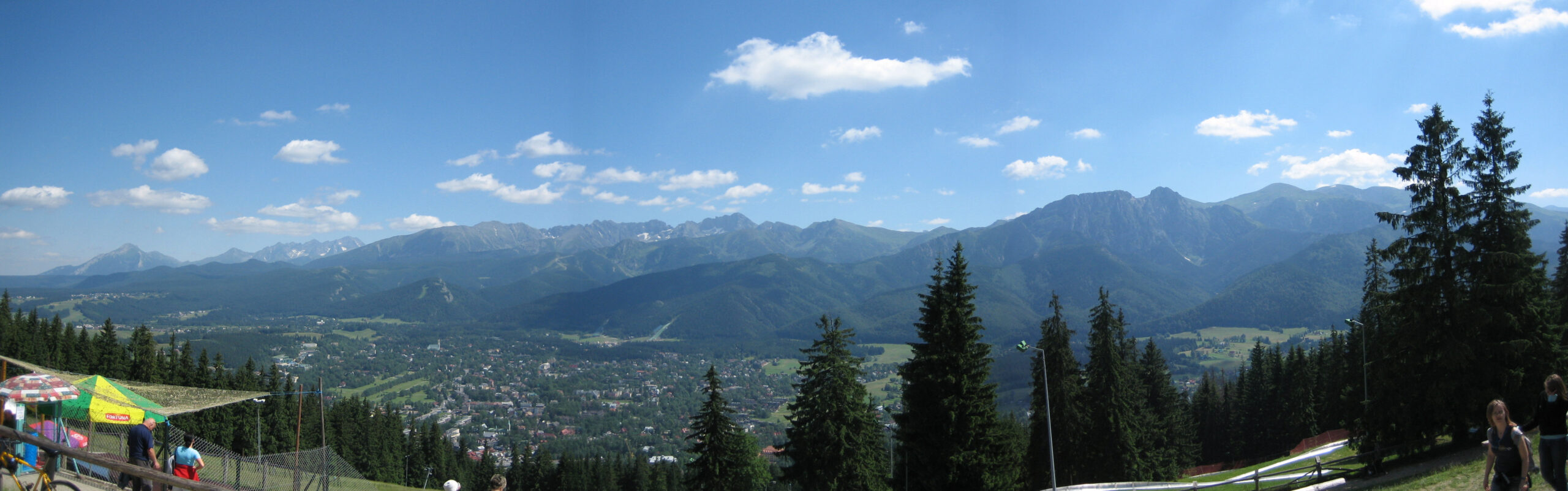
Zakopane, Poland’s winter capital and gateway to the Tatra Mountains, sits just 20 kilometers south of Nowy Targ along a scenic highway passing through traditional góral villages. Visitors can combine morning market shopping with afternoon exploration of Zakopane’s Krupówki pedestrian street, ride the funicular to Gubałówka Hill for panoramic Tatra views, or tackle hiking trails leading to mountain lakes including Morskie Oko. Moreover, Zakopane offers distinctive wooden architecture examples including the Jaszczurówka Chapel and Villa Koliba, showcasing the regional Zakopane Style developed in the early 20th century.
Dunajec River Gorge Rafting (40 km)
The spectacular Dunajec River Gorge cuts through limestone cliffs forming the Polish-Slovak border approximately 40 kilometers east of Nowy Targ, offering traditional wooden raft trips navigated by góral raftsmen wearing traditional costumes. The gentle 2-3 hour float passes between towering rock formations, medieval castle ruins, and the distinctive Three Crowns massif while raftsmen share regional legends and point out geological features. Additionally, the nearby Czorsztyn Lake and Niedzica Castle provide additional sightseeing opportunities, making the Dunajec area an excellent afternoon destination after morning market visits.
Chochołów Wooden Village (20 km)
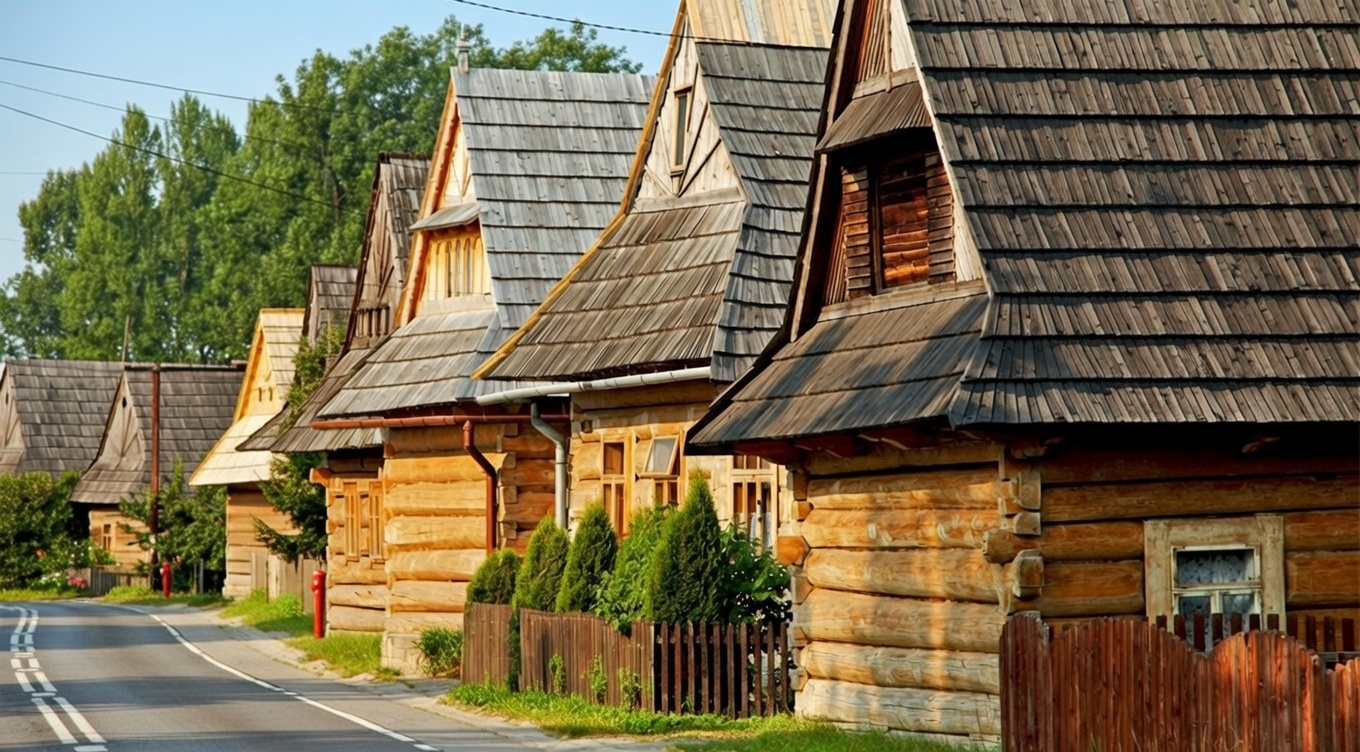
Chochołów preserves Poland’s longest row of traditional wooden highland houses, a remarkably intact 19th-century village where góral families maintain historic architecture while accommodating modern tourism. The village stretches along a single main street featuring over 100 wooden houses built using traditional log construction without nails, many decorated with distinctive whitewashed walls and colorful painted details. Moreover, Chochołów hosts the annual Podhale Uprising Museum commemorating the 1846 peasant rebellion, and local families offer traditional highland meals and cheese-making demonstrations by arrangement.
Orava Castle, Slovakia (35 km)
Slovakia’s dramatic Orava Castle perches atop a steep cliff overlooking the Orava River just 35 kilometers south of Nowy Targ, easily accessible via border crossing for visitors holding appropriate documents (EU ID or passport). The medieval fortress complex climbs vertically up the rocky prominence through multiple levels, housing museums displaying regional folk culture, weaponry, and Gothic art. Furthermore, Orava Castle gained international fame as the primary filming location for the 1922 silent film “Nosferatu,” with the castle’s Gothic architecture creating appropriately eerie vampire movie atmosphere.
Białka Tatrzańska Thermal Pools (30 km)
The thermal spring complexes at Białka Tatrzańska offer relaxation after market walking, featuring multiple outdoor and indoor pools filled with naturally heated mineral water ranging from 32-36°C (90-97°F). Complexes including Terma Bania and Termy Bukovina provide water slides, lazy rivers, saunas, and mountain views, creating family-friendly entertainment or adult relaxation depending on facility choice. Additionally, the thermal pools remain open year-round, with winter soaking beneath snow-covered Tatra peaks providing particularly memorable experiences after January-February market visits.
Practical Tips for Visiting Nowy Targ Market
What to Bring
Cash remains essential for Nowy Targ Market shopping, as most vendors—particularly those selling traditional handicrafts and fresh produce—accept only Polish złoty in physical form. ATMs surround the market perimeter and in the adjacent town center, though ⭐ withdraw funds before arriving at the market to avoid wasting precious morning shopping time standing in ATM queues. Additionally, bring reusable shopping bags rather than expecting vendors to provide bags, as environmental regulations and cost savings mean many stalls charge for plastic bags or offer none at all.
Comfortable walking shoes with good traction prove essential, as the market covers extensive area including some unpaved sections that become muddy after rain. Moreover, spring and autumn mornings in the Tatra foothills can be significantly cooler than expected, requiring layers easily removed as temperature rises later in morning. Furthermore, photographers should bring cameras with adequate battery power and memory capacity, as the colorful market scenes, traditional costumes, and scenic mountain backdrop create countless compelling images.
Negotiation and Shopping Strategies
⭐ Negotiating prices represents expected and encouraged behavior at Nowy Targ Market, with vendors typically pricing goods 10-20% above their minimum acceptable price anticipating negotiation. Begin by examining multiple vendors selling similar items to establish baseline pricing, then return to your preferred vendor and politely offer 15-20% below the asking price. Most vendors counter-offer or meet somewhere in the middle, with good-natured negotiation considering part of the traditional market experience rather than aggressive haggling.
Purchasing multiple items from the same vendor significantly increases negotiating leverage, as vendors prefer making bulk sales rather than numerous small transactions. Additionally, shopping during afternoon hours after 1:00 PM often yields better prices as vendors contemplate packing up remaining inventory. Nevertheless, maintain respectful demeanor throughout negotiations, as góral culture values personal relationships and vendors remember repeat customers returning on future market days.
Language and Communication
Most market vendors speak primarily Polish and góral dialect, with limited English proficiency outside of stalls specifically targeting tourist traffic. However, basic price negotiations function adequately using numbers, pointing, and calculator apps on smartphones to bridge language gaps. Moreover, younger vendors and those selling modern goods often speak functional English, while traditional handicraft sellers and food vendors rarely do. ⭐ Learning basic Polish market phrases including “ile kosztuje?” (how much?), “za drogo” (too expensive), and “dziękuję” (thank you) significantly enhances the shopping experience and vendor interactions.
Safety and Security
Nowy Targ Market maintains generally safe environment with minimal pickpocketing or theft compared to large Western European markets, though standard precautions remain sensible. Keep valuables in front pockets or secure bags, avoid displaying large amounts of cash when making purchases, and remain aware of surroundings in crowded sections. Additionally, the market employs security personnel who patrol regularly, and local police maintain presence particularly during busy Saturday mornings.
Accessibility Considerations
The Nowa Targowica market complex includes paved central walkways accessible for wheelchairs and strollers, though many vendor stalls require stepping over curbs or navigating narrow gaps between displays. Moreover, the extensive walking required to explore the full market proves challenging for visitors with limited mobility, and few stalls offer seating areas for rest breaks. Consequently, visitors with accessibility needs should focus on the main covered market building where wider aisles and smoother surfaces provide easier navigation compared to the outdoor sections.
Best Photography Opportunities
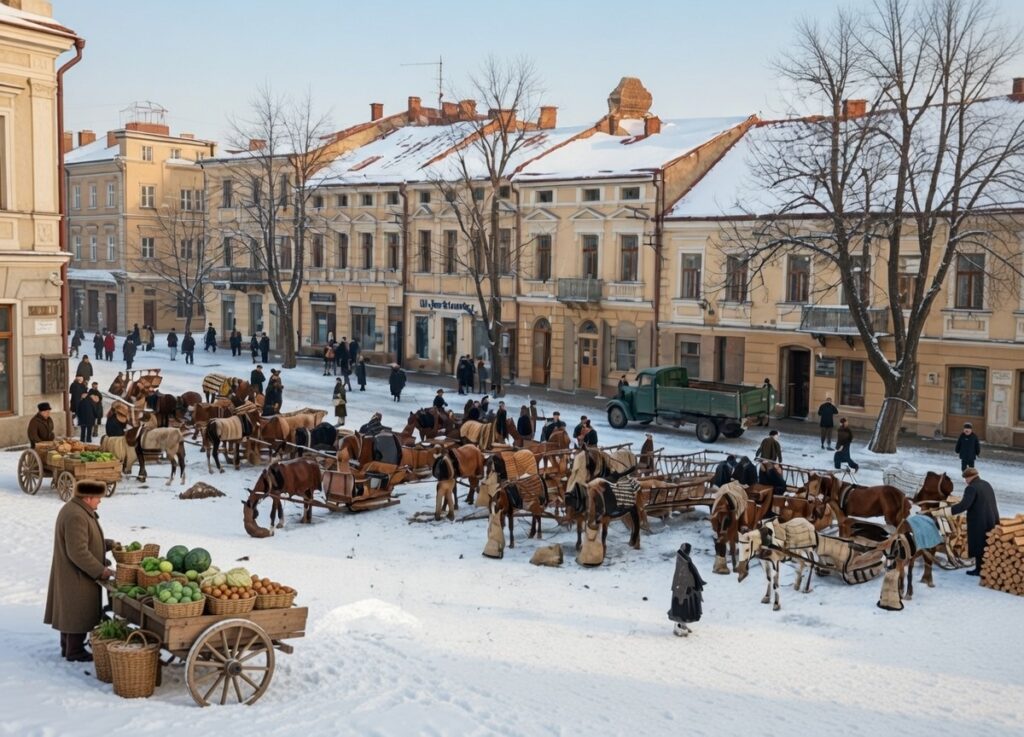
⭐ Early morning light between 7:00-9:00 AM provides ideal photography conditions, with soft angled sunlight illuminating vendor displays and the Tatra Mountain backdrop while avoiding harsh midday shadows. Góral vendors in traditional dress create particularly compelling portrait subjects, though always request permission before photographing individuals directly. Additionally, the sections selling colorful textiles, piles of fresh produce, and hanging smoked meats offer vibrant compositions, while the occasional horse-drawn carts arriving from mountain villages provide authentic cultural documentation.
Respect vendor requests not to photograph their goods without purchasing, as some craftspeople guard production techniques they consider trade secrets. Moreover, avoid blocking aisles or customer access while setting up shots, as market vendors prioritize commerce over photography. Nevertheless, most vendors welcome photography after making purchases, often proudly displaying their goods for better images when they’ve established a friendly customer relationship.
Insider Tips from Regular Visitors
⭐ Bring a small cooler bag if purchasing fresh oscypek, bryndza, or other perishable foods, as the cheese remains unrefrigerated during market hours and will require proper storage if not consumed immediately. Additionally, vendors selling textiles and clothing often stock their best pieces beneath display tables, so don’t hesitate to ask if they have additional items not currently visible—particularly applies to high-quality kożuchy and hand-embroidered folk costumes.
⭐ Visit the permanent shops surrounding the market complex after exploring the outdoor stalls, as these year-round stores often sell authentic handicrafts at fixed prices useful for comparison shopping. Furthermore, the area south of the main market features more traditional craftspeople working in small workshops, sometimes offering superior quality items compared to the general market stalls targeting tourist trade. Moreover, checking the market’s official Facebook page before visiting provides updates on any schedule changes during holidays or special events that might affect normal operating hours.